

A Call for Humane Housing Standards for Hamsters in Singapore Pet Shops
The Issue
Many pet shops in Singapore fail to provide adequate care for their hamsters, leading to physical and psychological harm. Hamsters are intelligent and sentient beings who need space to roam, and when confined to inadequately sized cages and wheels, they suffer immensely. This is especially critical for Syrian hamsters, which are solitary animals by nature and require solitary housing.
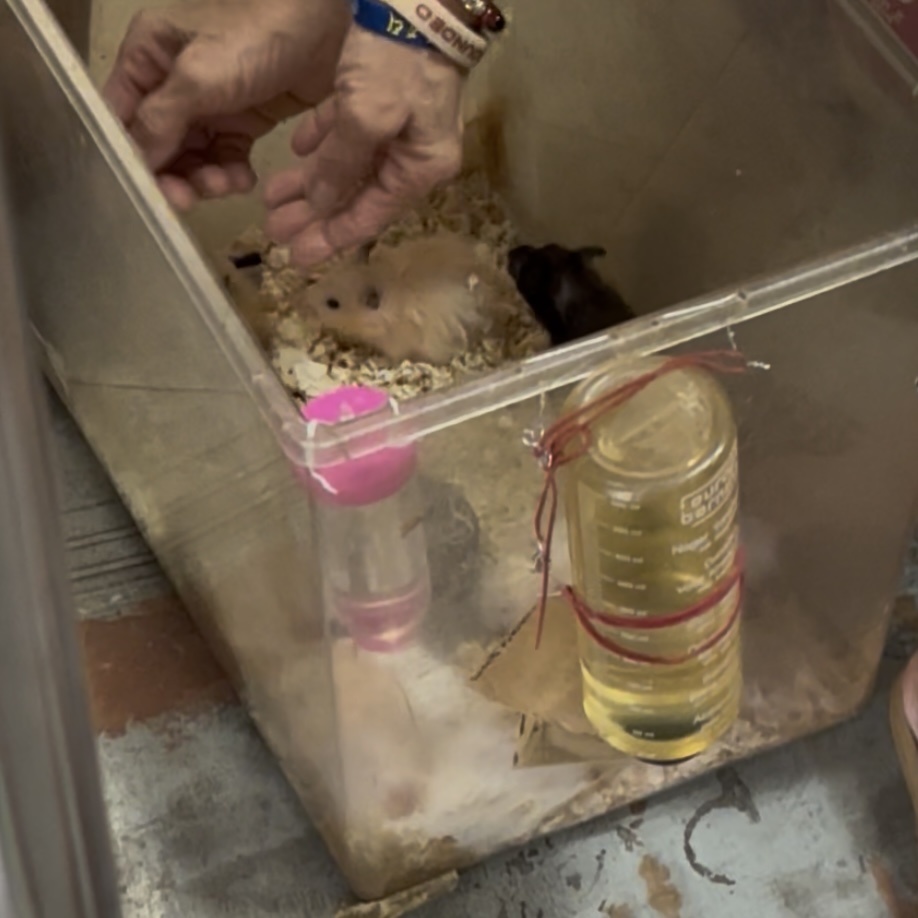
Two weeks ago, on 15th October 2025, I walked past a pet shop in Serangoon North and noticed a cream-colored Syrian hamster kept in a filthy 20×30 cm tank with barely any bedding, poor ventilation, poor quality food and accessories far too small for her to use. I wanted to take her home, but I did not want to support a shop that neglected its animals. A week later, she was still there and looking quite unwell. I decided to purchase her and bring her to the vet.
While there, the shopkeeper was showing 3-4 plastic tanks that were initially hidden in the back behind a stack of cardboard boxes to another customer, each crammed with 10–20 hamsters. Many were wounded with active bleeding wounds.
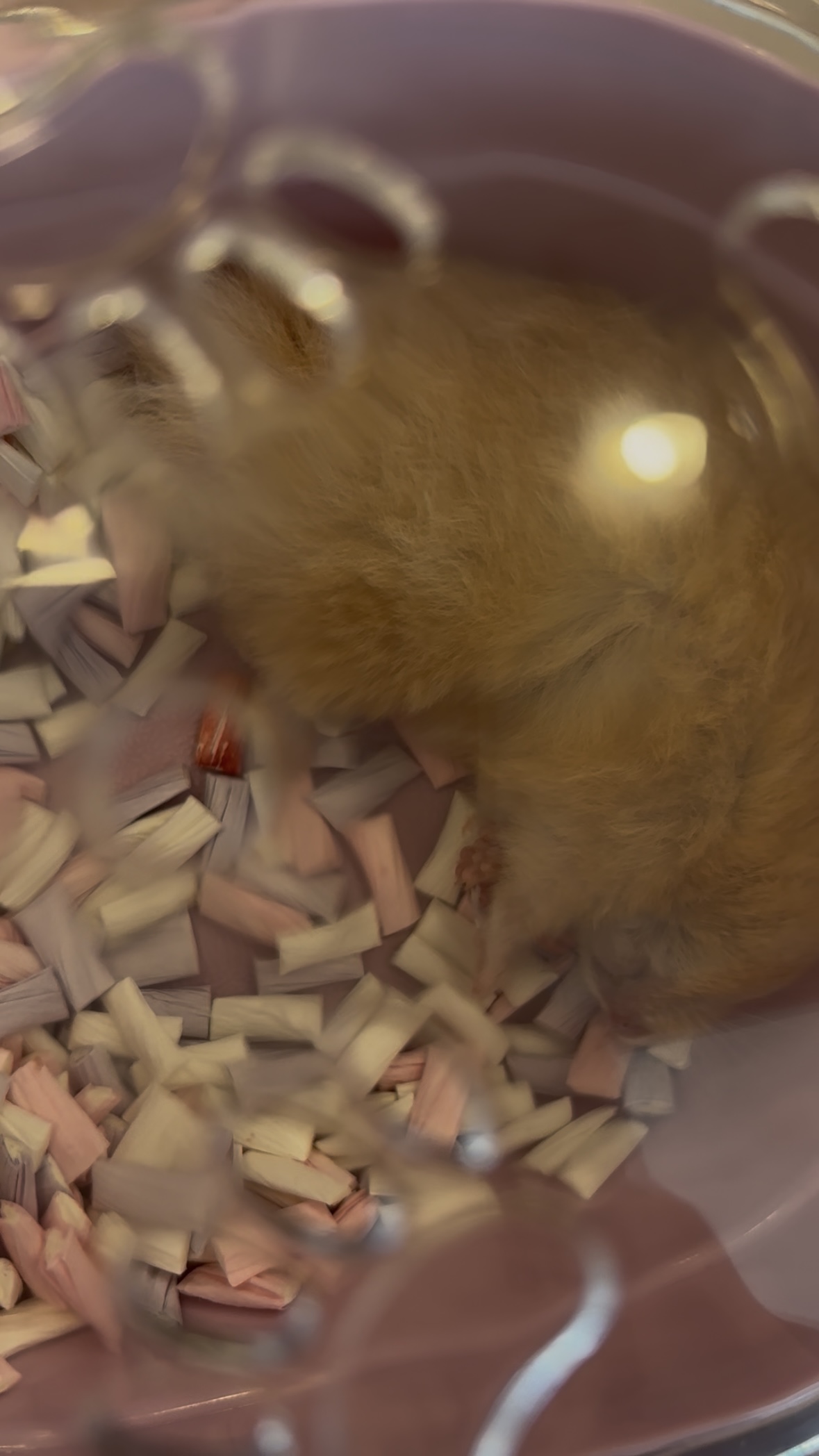
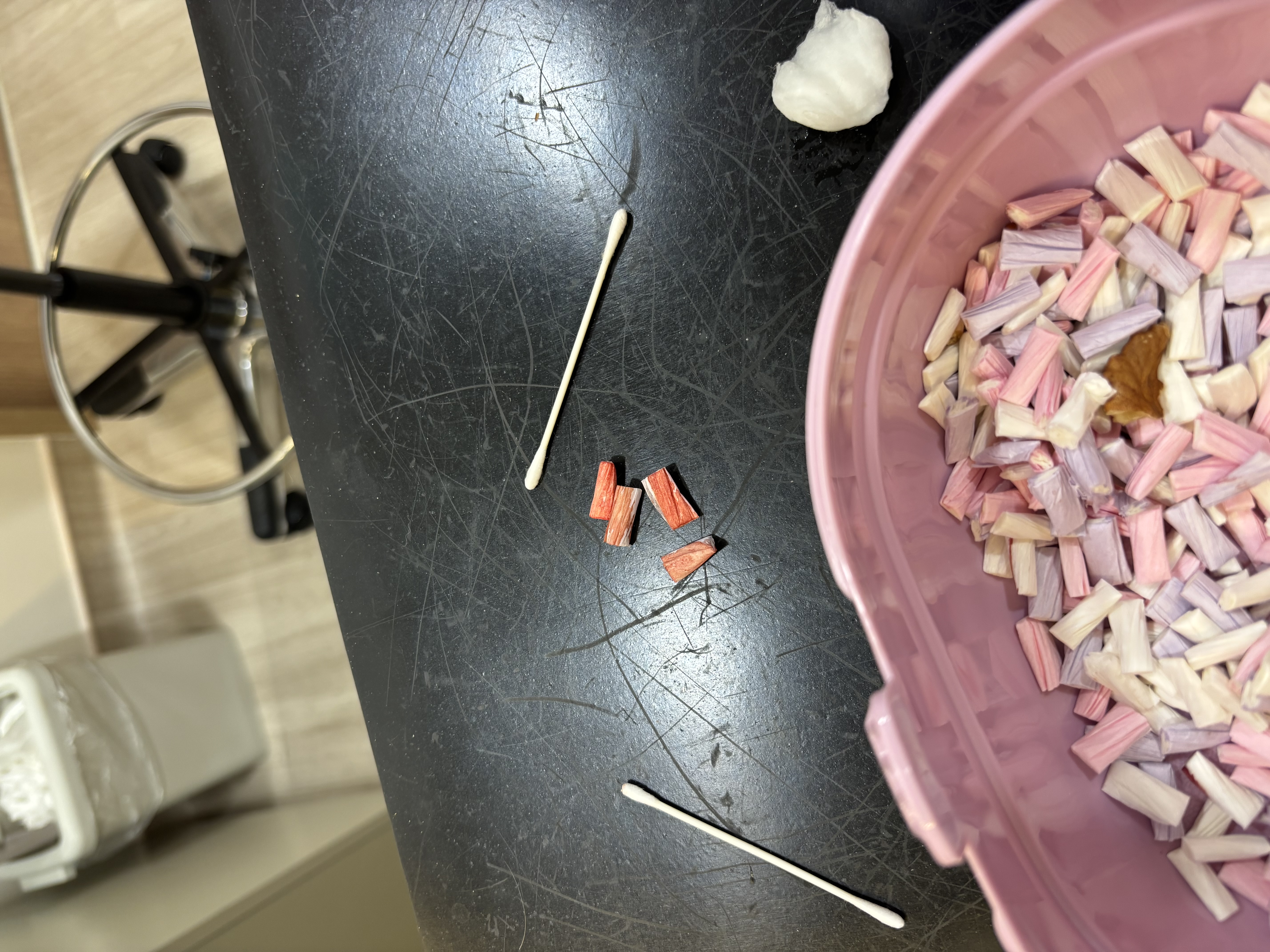
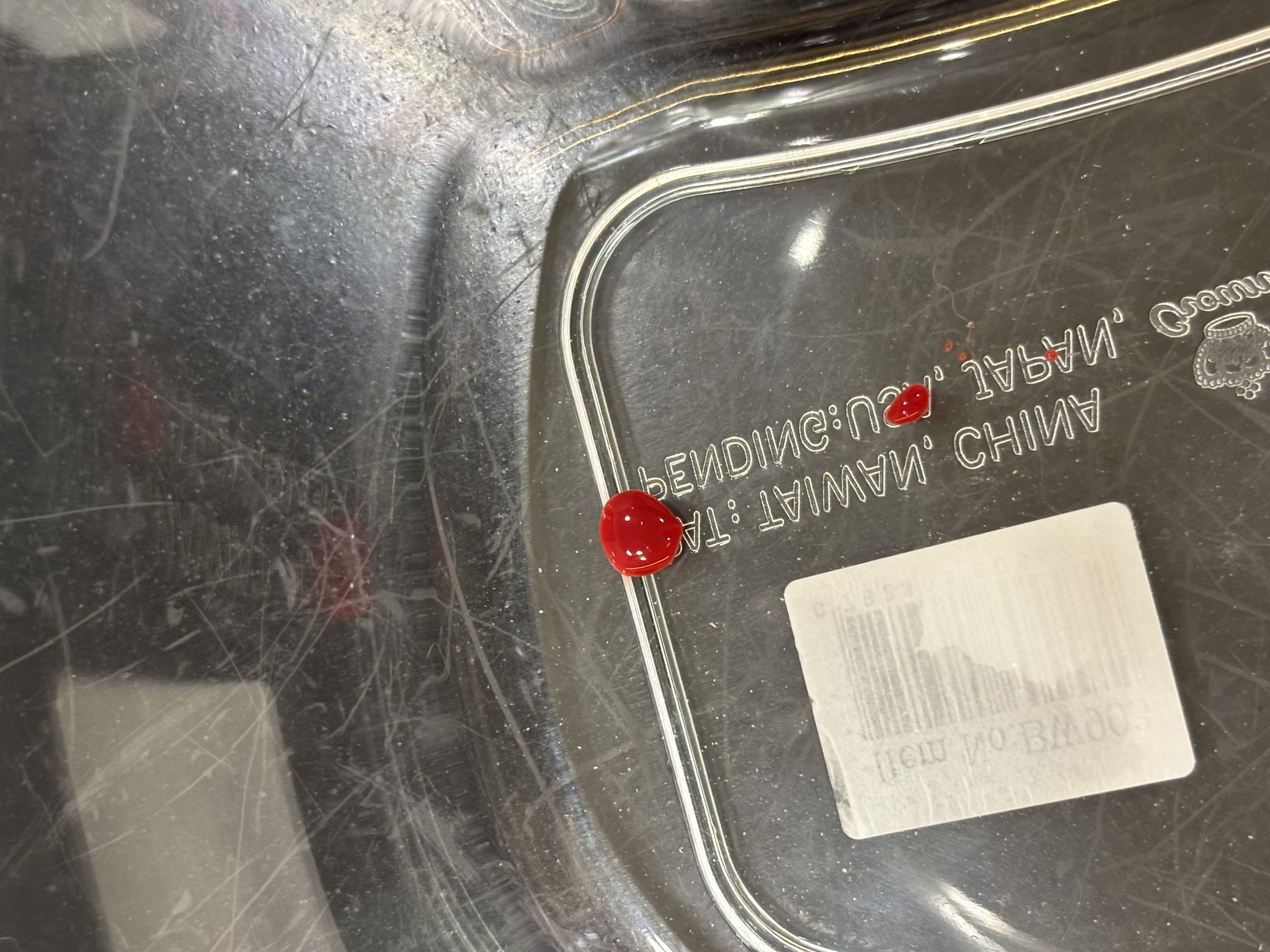
The hamster I brought home was peeing blood, and was diagnosed with a bladder infection, bladder thickening, malnutrition and potential upper respiratory tract infection by the vet, along with skin issues.
If medical care was sought any later, this hamster would have died.
These conditions don’t happen overnight. They come from long-term neglect, overcrowding, stress, and poor living
No hamster should live like this. Yet scenes like this remain far too common in pet shops across Singapore.
In Europe, animal welfare guidelines suggest that Syrian hamsters require at least 1000 square centimeters of floor space, yet many local shops offer enclosures significantly smaller. Despite being solitary animals, they are often forced to live in overcrowded conditions, resulting in aggression, injury, and even death. It's imperative that Singapore sets humane standards to ensure the well-being of animals under commercial care.
We call upon the Singapore government, NParks, and the Animal & Veterinary Service (AVS) to introduce and enforce regulations that mandate a minimum cage and wheel size and ban the co-housing of Syrian hamsters in pet shops. By implementing these standards, we can prevent unnecessary suffering and ensure these animals lead healthier, happier lives.
Join me in advocating for better living conditions for hamsters in Singapore. Sign this petition to demand change in their welfare and ensure they receive the fundamental rights they deserve. Stand with me in making a difference for these voiceless animals. Please sign the petition now to support this cause.

609
The Issue
Many pet shops in Singapore fail to provide adequate care for their hamsters, leading to physical and psychological harm. Hamsters are intelligent and sentient beings who need space to roam, and when confined to inadequately sized cages and wheels, they suffer immensely. This is especially critical for Syrian hamsters, which are solitary animals by nature and require solitary housing.
Two weeks ago, on 15th October 2025, I walked past a pet shop in Serangoon North and noticed a cream-colored Syrian hamster kept in a filthy 20×30 cm tank with barely any bedding, poor ventilation, poor quality food and accessories far too small for her to use. I wanted to take her home, but I did not want to support a shop that neglected its animals. A week later, she was still there and looking quite unwell. I decided to purchase her and bring her to the vet.
While there, the shopkeeper was showing 3-4 plastic tanks that were initially hidden in the back behind a stack of cardboard boxes to another customer, each crammed with 10–20 hamsters. Many were wounded with active bleeding wounds.
The hamster I brought home was peeing blood, and was diagnosed with a bladder infection, bladder thickening, malnutrition and potential upper respiratory tract infection by the vet, along with skin issues.
If medical care was sought any later, this hamster would have died.
These conditions don’t happen overnight. They come from long-term neglect, overcrowding, stress, and poor living
No hamster should live like this. Yet scenes like this remain far too common in pet shops across Singapore.
In Europe, animal welfare guidelines suggest that Syrian hamsters require at least 1000 square centimeters of floor space, yet many local shops offer enclosures significantly smaller. Despite being solitary animals, they are often forced to live in overcrowded conditions, resulting in aggression, injury, and even death. It's imperative that Singapore sets humane standards to ensure the well-being of animals under commercial care.
We call upon the Singapore government, NParks, and the Animal & Veterinary Service (AVS) to introduce and enforce regulations that mandate a minimum cage and wheel size and ban the co-housing of Syrian hamsters in pet shops. By implementing these standards, we can prevent unnecessary suffering and ensure these animals lead healthier, happier lives.
Join me in advocating for better living conditions for hamsters in Singapore. Sign this petition to demand change in their welfare and ensure they receive the fundamental rights they deserve. Stand with me in making a difference for these voiceless animals. Please sign the petition now to support this cause.
Supporter Voices
Petition Updates
Share this petition
Petition created on 28 October 2025