
30 Days Is Enough: Ontario Needs a Lemon Law
The Issue
A new vehicle is one of the largest purchases most families will ever make. When that vehicle suffers repeated serious defects or spends months undergoing warranty repairs, consumers should have a clear legal right to a replacement, refund, or penalty-free lease termination.
In Ontario, they do not.
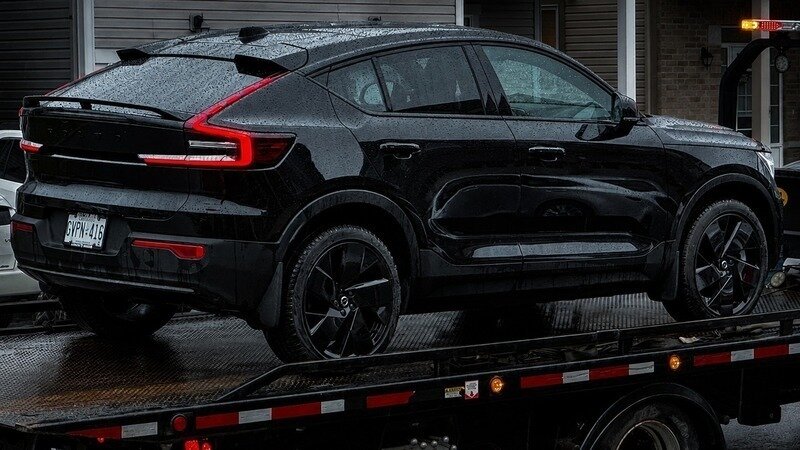
I learned this after leasing a new 2025 Volvo EC40 from Carling Motors in Ottawa. Only a few months after delivery, the vehicle suffered a serious propulsion-system failure and left me stranded in a parking lot. It would not shift into drive and displayed an urgent warning that the propulsion system required service.
That was the beginning of a long series of problems, including recurring propulsion faults, reduced performance, charging failures, grinding and mechanical noises, unsuccessful repairs, lengthy delays, and concerns about whether the vehicle was safe and reliable.
As of July 2026, my vehicle has spent over 300 days at the dealership because of recurring faults and unresolved concerns. Throughout that time, I have been forced to continue paying for a premium electric vehicle that I cannot use, while driving a gas-powered loaner and absorbing the disruption, expense, and uncertainty imposed on my family.
I have contacted the dealership, Volvo Car Canada, Volvo Car Financial Services, OMVIC, CAMVAP, Consumer Protection Ontario, Transport Canada, the Office of the Privacy Commissioner of Canada, and my elected representatives. I eventually had to begin legal proceedings to seek a resolution that would not force me to absorb the loss. In response, Carling Motors filed a counterclaim for my ongoing use of their loaner, despite acknowledging in writing that issues with my EC40 remain undiagnosed and unrepaired.
No Ontario consumer should have to take on a multinational manufacturer, its dealership, financing company, and lawyers to escape a defective new vehicle without suffering a financial loss.
This issue is becoming more urgent as new gas, hybrid, and electric vehicles rely on complex electronics, proprietary software, remote diagnostics, and manufacturer-controlled data. When those systems fail, consumers are often left dependent on the same manufacturer to identify the problem and approve the repair.
Ontario’s consumer protections have not kept pace. Drivers can be forced through warranty disputes, regulators, voluntary arbitration, and costly litigation, with no automatic remedy when repairs repeatedly fail or a vehicle remains out of service for months.
Ontario legislators have recognized the problem through Bill 91, the Right to Repair Act, 2025. The bill is an important start, but it does not go far enough. Even if Bill 91 becomes law, consumers would still have to go to court under its seriously defective vehicle provisions, and leased-vehicle remedies would be limited to ending the lease without clearly recovering payments, down payments, or related losses.
Ontario should build on Quebec’s anti-lemon law and catch up with leading U.S. jurisdictions. New York offers consumers a dedicated arbitration process that can result in a refund or replacement, while California allows successful consumers to recover legal costs and permits additional civil penalties for willful non-compliance. We call on the Government of Ontario and all Members of Provincial Parliament to strengthen and pass Bill 91 to create a fast, accessible, and financially complete remedy for purchasers and lessees of defective new vehicles.
The law should provide:
- Automatic eligibility when a vehicle undergoes three unsuccessful repairs for the same substantial defect or remains out of service for 30 cumulative days during the warranty period.
- The consumer’s choice of a comparable replacement vehicle, full repurchase, or penalty-free lease termination.
- Reimbursement of down payments, trade-in equity, lease or finance payments attributable to the loss-of-use period, and reasonable expenses such as towing, rentals, and additional fuel costs.
- Automatic suspension of lease or finance payments, protection from collections, and protection from adverse credit reporting when a vehicle remains in warranty service beyond a defined period.
- Prompt access to complete repair records, diagnostic data, technical communications, and other information needed to understand the vehicle’s condition.
- A fast, affordable, and binding enforcement process so consumers do not have to finance a lawsuit against a global automobile company.
- Meaningful penalties when a manufacturer or dealer fails to comply with the law.
Thirty days is enough. After repeated unsuccessful repairs or a month without the new vehicle they are paying for, consumers deserve the right to move on.
My Volvo experience started this campaign, but this issue is much bigger than one vehicle, one dealership, or one manufacturer. A strong lemon law would protect every Ontario family purchasing or leasing a new gas, hybrid, or electric vehicle.
Please sign this petition to give consumers equal standing and hold automakers accountable for the vehicles they sell in Ontario.

1,021
The Issue
A new vehicle is one of the largest purchases most families will ever make. When that vehicle suffers repeated serious defects or spends months undergoing warranty repairs, consumers should have a clear legal right to a replacement, refund, or penalty-free lease termination.
In Ontario, they do not.
I learned this after leasing a new 2025 Volvo EC40 from Carling Motors in Ottawa. Only a few months after delivery, the vehicle suffered a serious propulsion-system failure and left me stranded in a parking lot. It would not shift into drive and displayed an urgent warning that the propulsion system required service.
That was the beginning of a long series of problems, including recurring propulsion faults, reduced performance, charging failures, grinding and mechanical noises, unsuccessful repairs, lengthy delays, and concerns about whether the vehicle was safe and reliable.
As of July 2026, my vehicle has spent over 300 days at the dealership because of recurring faults and unresolved concerns. Throughout that time, I have been forced to continue paying for a premium electric vehicle that I cannot use, while driving a gas-powered loaner and absorbing the disruption, expense, and uncertainty imposed on my family.
I have contacted the dealership, Volvo Car Canada, Volvo Car Financial Services, OMVIC, CAMVAP, Consumer Protection Ontario, Transport Canada, the Office of the Privacy Commissioner of Canada, and my elected representatives. I eventually had to begin legal proceedings to seek a resolution that would not force me to absorb the loss. In response, Carling Motors filed a counterclaim for my ongoing use of their loaner, despite acknowledging in writing that issues with my EC40 remain undiagnosed and unrepaired.
No Ontario consumer should have to take on a multinational manufacturer, its dealership, financing company, and lawyers to escape a defective new vehicle without suffering a financial loss.
This issue is becoming more urgent as new gas, hybrid, and electric vehicles rely on complex electronics, proprietary software, remote diagnostics, and manufacturer-controlled data. When those systems fail, consumers are often left dependent on the same manufacturer to identify the problem and approve the repair.
Ontario’s consumer protections have not kept pace. Drivers can be forced through warranty disputes, regulators, voluntary arbitration, and costly litigation, with no automatic remedy when repairs repeatedly fail or a vehicle remains out of service for months.
Ontario legislators have recognized the problem through Bill 91, the Right to Repair Act, 2025. The bill is an important start, but it does not go far enough. Even if Bill 91 becomes law, consumers would still have to go to court under its seriously defective vehicle provisions, and leased-vehicle remedies would be limited to ending the lease without clearly recovering payments, down payments, or related losses.
Ontario should build on Quebec’s anti-lemon law and catch up with leading U.S. jurisdictions. New York offers consumers a dedicated arbitration process that can result in a refund or replacement, while California allows successful consumers to recover legal costs and permits additional civil penalties for willful non-compliance. We call on the Government of Ontario and all Members of Provincial Parliament to strengthen and pass Bill 91 to create a fast, accessible, and financially complete remedy for purchasers and lessees of defective new vehicles.
The law should provide:
- Automatic eligibility when a vehicle undergoes three unsuccessful repairs for the same substantial defect or remains out of service for 30 cumulative days during the warranty period.
- The consumer’s choice of a comparable replacement vehicle, full repurchase, or penalty-free lease termination.
- Reimbursement of down payments, trade-in equity, lease or finance payments attributable to the loss-of-use period, and reasonable expenses such as towing, rentals, and additional fuel costs.
- Automatic suspension of lease or finance payments, protection from collections, and protection from adverse credit reporting when a vehicle remains in warranty service beyond a defined period.
- Prompt access to complete repair records, diagnostic data, technical communications, and other information needed to understand the vehicle’s condition.
- A fast, affordable, and binding enforcement process so consumers do not have to finance a lawsuit against a global automobile company.
- Meaningful penalties when a manufacturer or dealer fails to comply with the law.
Thirty days is enough. After repeated unsuccessful repairs or a month without the new vehicle they are paying for, consumers deserve the right to move on.
My Volvo experience started this campaign, but this issue is much bigger than one vehicle, one dealership, or one manufacturer. A strong lemon law would protect every Ontario family purchasing or leasing a new gas, hybrid, or electric vehicle.
Please sign this petition to give consumers equal standing and hold automakers accountable for the vehicles they sell in Ontario.
The Decision Makers

Supporter Voices
Petition Updates
Share this petition
Petition created on July 9, 2026