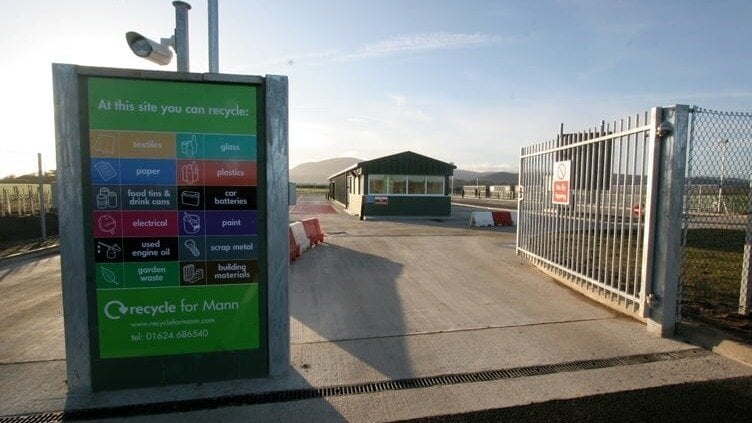
Waste management refers to the collection, transport, processing, recycling, or disposal of waste materials. It includes efforts to reduce environmental impact by managing different types of waste sustainably, aiming to protect ecosystems and public health.
AI-generated content
Sewage discharge into rivers and lakes can lead to pollution that harms aquatic ecosystems and contaminates water supplies. It introduces harmful substances and pathogens, disrupting wildlife habitats and potentially affecting human health through waterborne diseases.
AI-generated content
Reducing food waste helps conserve resources such as water, energy, and land used in food production. It decreases methane emissions from decomposing waste in landfills and supports sustainable consumption practices that lessen the overall environmental footprint.
AI-generated content
Single-use plastics contribute significantly to environmental pollution, particularly in oceans and waterways, harming marine life and ecosystems. Eliminating items like plastic straws reduces plastic waste generation and promotes the use of sustainable alternatives.
AI-generated content
Recycling plant-based plastics can be difficult due to limited processing facilities and a lack of standardized systems for their collection and treatment. This leads to challenges in effectively recovering materials and ensuring these plastics do not contribute to environmental pollution.