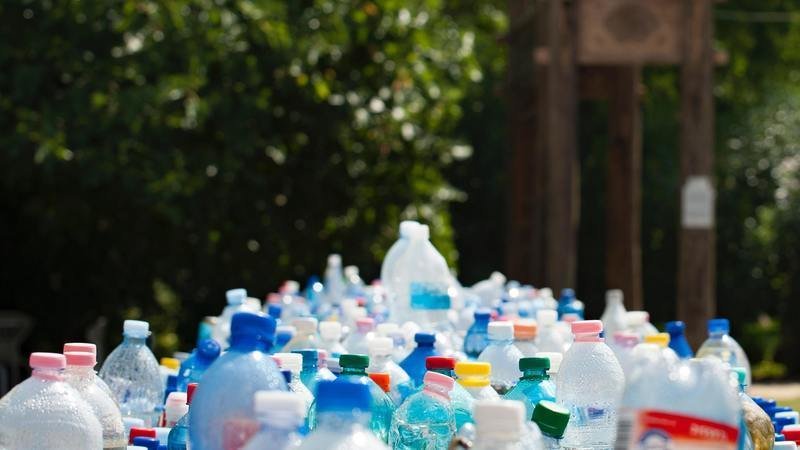
Plastic waste refers to discarded plastic products that often do not decompose easily and can accumulate in the environment. It poses significant environmental concerns because it contributes to pollution, harms wildlife, and can contaminate water sources, especially when it ends up in oceans.
AI-generated content
The debate around banning single-use plastics centers on balancing environmental benefits with convenience and economic impact. Supporters argue bans reduce pollution and protect ecosystems, while opponents raise concerns about accessibility and potential alternatives' cost and practicality.
AI-generated content
Plastic pellet pollution affects marine life directly by ingestion and habitat contamination, which can disrupt ecosystems. Humans are indirectly affected through the seafood they consume and the broader environmental damage caused by these pollutants.
AI-generated content
Plastic packaging on products like menstrual items and fruit contributes to waste accumulation and can be difficult to recycle. This packaging often ends up in landfills or natural environments, where it can take hundreds of years to break down, causing environmental harm.