Indigenous rights in Australia refer to the legal and moral entitlements of Aboriginal and Torres Strait Islander peoples, recognizing their unique cultural heritage, connection to land, and social and political status. These rights encompass protection of sacred sites, preservation of cultural practices, and addressing historical and ongoing inequalities.
AI-generated content
The debate involves calls to permanently fly the Aboriginal Flag on prominent landmarks such as the Sydney Harbour Bridge to acknowledge Indigenous heritage and promote recognition. Some argue this is a powerful symbol of respect, while others discuss the appropriate ways and locations for such recognition within broader national identity.
AI-generated content
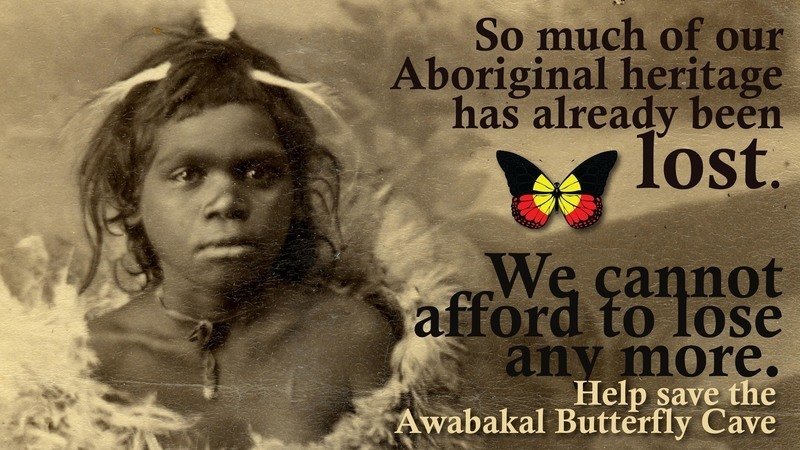
Protecting Aboriginal heritage sites like the Butterfly Cave is crucial to preserve sacred and culturally significant locations for Indigenous communities. These sites contain historical, spiritual, and ecological value, and their conservation supports the continuation of Indigenous traditions and respect for ancestral connections to the land.
AI-generated content
Concerns about alcohol supply in Indigenous communities center on its social and health impacts, including increased rates of violence and health problems. Efforts to regulate or restrict alcohol aim to improve community wellbeing, but there are varying perspectives on the best approaches to balance cultural respect and public health.
AI-generated content
Advocacy to include Aboriginal history in school curricula seeks to ensure that all students understand the rich cultural heritage and historical experiences of Indigenous Australians. This education aims to promote reconciliation, reduce prejudice, and foster a more informed and inclusive society.