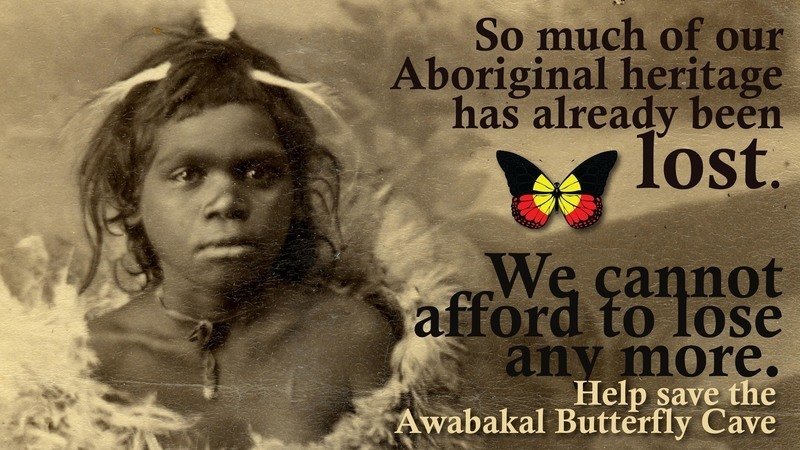
Indigenous rights in Australia refer to the legal, social, and cultural entitlements of Aboriginal and Torres Strait Islander peoples. These rights include the preservation of cultural heritage, recognition of land ownership, protection of sacred sites, and the ability to maintain traditional practices and governance. Indigenous rights also encompass broader social justice issues such as access to education, healthcare, and legal recognition.
AI-generated content
The debate over the permanent display of the Aboriginal Flag involves its recognition as a symbol of Indigenous identity and heritage. Some advocate for its constant public display to honor Aboriginal culture, while others raise questions about its official status and appropriate use. This discussion reflects wider conversations about representation, respect, and reconciliation in Australian society.
AI-generated content
Aboriginal cultural sites such as the Butterfly Cave hold significant spiritual, historical, and cultural value for Indigenous communities. Protecting these sites ensures the preservation of ancestral heritage, supports Indigenous identity, and maintains connections to traditional land and practices. Threats to these places can result in loss of cultural knowledge and disrespect for Indigenous rights.
AI-generated content
Alcohol restrictions in some Indigenous communities are implemented to address health and social challenges linked to alcohol misuse. However, these restrictions raise debates about autonomy, effectiveness, and cultural sensitivity. Some argue that these measures help protect community wellbeing, while others view them as paternalistic or inadequately designed to meet the specific needs of Indigenous peoples.
AI-generated content
Government spending on colonial commemorations, such as statues and memorials, can be contentious as they may celebrate figures or events associated with colonization and Indigenous dispossession. For many Indigenous Australians, these commemorations evoke histories of violence, marginalization, and cultural erasure, leading to calls for reconsideration of how history is publicly acknowledged and whose stories are highlighted.