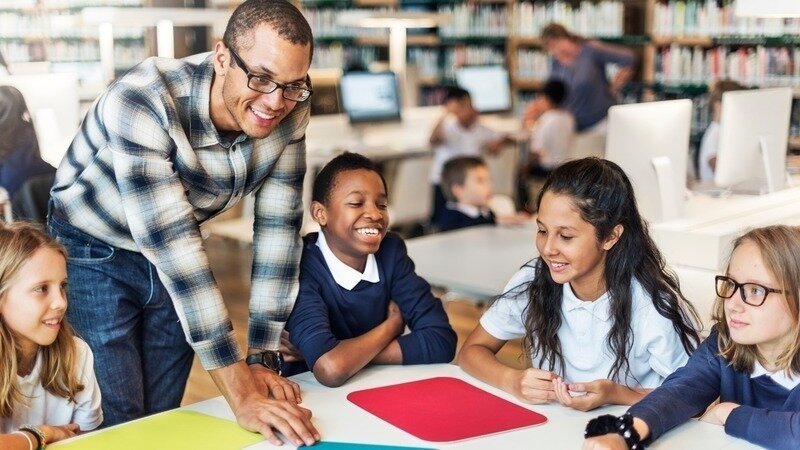
Education is the process of facilitating learning, acquiring knowledge, skills, values, and habits. It typically takes place in formal settings such as schools and universities but can also occur through informal means. Education systems vary worldwide and address a range of topics, curricula, and student welfare concerns.
AI-generated content
During the COVID-19 pandemic, school reopening policies sparked debate worldwide. Some emphasize safety and advocate for delayed or remote learning to protect health, while others stress the importance of in-person education and parental choice. These differing views highlight concerns about balancing educational needs with public health risks.
AI-generated content
Limited access to primary education in countries such as India primarily affects children from disadvantaged backgrounds, including those in rural or impoverished communities. Barriers may include socioeconomic factors, geographic remoteness, and gender disparities, which can hinder children's ability to attend and complete primary schooling.
AI-generated content
Concerns related to curriculum content include calls for incorporating historically significant topics such as British imperialism to provide a comprehensive perspective. Additionally, updating reading lists to counteract racism and ensure diverse representation is another focal point. These debates center on how education can influence awareness and understanding of social issues.
AI-generated content
Mental health training for teachers is considered important because educators often play a key role in identifying and supporting students facing mental health challenges. Equipping teachers with relevant skills can help improve student welfare, address issues such as bullying, and create a safer and more supportive school environment.