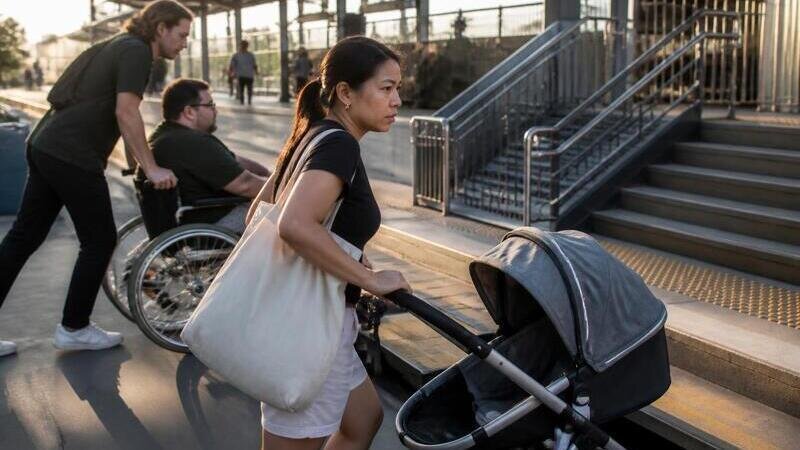
Disability refers to a physical, mental, intellectual, or sensory impairment that, in interaction with various barriers, may hinder a person's full and effective participation in society on an equal basis with others. In Australia, disability support and rights encompass a range of issues including care, inclusion, and access to services.
AI-generated content
The Religious Discrimination Bill has sparked debate in Australia concerning whether it might permit discrimination against disabled individuals in the name of religious beliefs. Some argue the bill could undermine protections for disabled people, while others assert it is necessary to safeguard religious freedoms. This debate centers on balancing religious rights with the rights and protections of disabled individuals.
AI-generated content
Children with disabilities seeking to remain in Australia may be directly affected by immigration policies and decisions. These cases often involve considerations of the child's care needs, access to support services, and the implications of relocation for their wellbeing and development.
AI-generated content
Concerns regarding the NDIS include opposition to funding cuts that affect access to therapeutic supports, such as music therapy, and worries about maintaining adequate disability services that enable individuals to live independently in their own homes. These issues reflect broader debates about ensuring sufficient support and resources for disabled Australians.
AI-generated content
Advocacy for disability sports in Australia highlights efforts to support and promote inclusive opportunities for athletes with disabilities, such as the national Paralympic soccer team. This advocacy emphasizes the importance of sports in enhancing social inclusion, health, and recognition of disabled athletes' achievements.