Child rights refer to the fundamental protections and freedoms entitled to every person under the age of 18. These rights cover aspects such as safety, education, health, and family care, ensuring that children grow up in supportive and secure environments. International agreements like the United Nations Convention on the Rights of the Child outline these standards globally.
AI-generated content
The debate centers on the urgent need to enforce ceasefires and humanitarian access to shield children from the harm caused by armed conflicts. Advocates emphasize the protection of children from violence and exploitation, while challenges include ongoing hostilities and limited resources to provide aid in war-torn areas.
AI-generated content
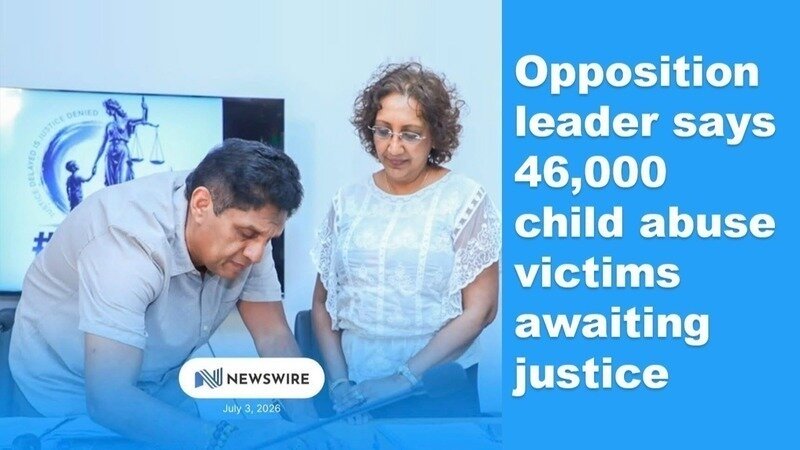
Children worldwide are vulnerable to sexual abuse and violence, with victims often facing long-term physical and psychological harm. Families and communities are deeply impacted as well, prompting calls for stronger legal protections and justice systems to hold perpetrators accountable and support survivors.
AI-generated content
Concerns include the safety, health, and well-being of children held in detention facilities, where conditions may be inadequate or harmful. There is an international focus on ensuring that children's rights are respected and that alternatives to detention are sought, particularly for migrant or refugee minors.
AI-generated content
There are calls for extended maternity leave policies that better support working mothers, recognizing the importance of early maternal care for child development. Advocates argue that adequate leave contributes to healthier families and promotes the rights and welfare of both mothers and their children.