Water Crisis in Texas!
The Issue
“ ‘Where’s the American dream?’, I didn’t think that here, in the United States, in the most powerful country in the world, there would be a lack of services” (Texas Tribune, 2017). The services Olivia Figueroa is revering are basic infrastructure services such as water, sewage systems, electricity, and paved roads. She emigrated over two decades ago from a rural community in Mexico to another rural community within the United States. The community she has resided in, San Elizario, Texas, is known as a Colonia. ‘Colonia’, which in Spanish means ‘neighborhood’, are “cheap plots of land outside city limits without basic infrastructure.” especially potable water (Texas Tribune, 2017). Most colonias are located along the U.S.-Mexico border in California, Arizona, New Mexico, and Texas. In Texas alone, where 90% are located, there are approximately 2,294 colonias (Texas Secretary of State, 2019). However, because of the way 7 different Texas Governmental Agencies officially define what constitutes a Colonia, this number is vastly undercounted. Thousands of mainly immigrants, both legal and undocumented, who can't afford to live in cities reside within colonias. American citizens residing within these officially counted Texas colonias make up roughly 85% of the population of these types of communities (TDHCA). These American citizens are largely low-income, with immigrant Latino backgrounds.
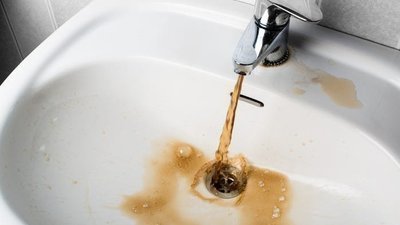
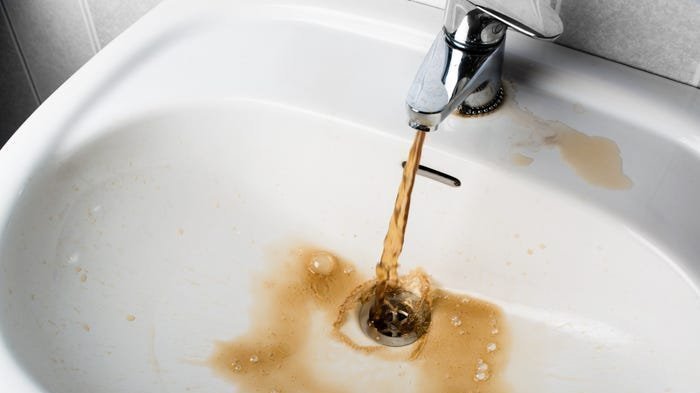
As a Latina American living in Texas, I am outraged that my fellow Texans living in a so-called first-world nation lack access to the most basic of services similar to that of third-world countries. It is estimated that 30% of Colonia residents don't have access to clean, safe, potable water (Rural Community Assistance Partnership, 2015). “Some colonias have their own water systems or receive water from nearby cities if they're close enough. Their treatment facilities, pipes, wells, and septic tanks are too often old, or they can’t afford the technology to properly clean the water” (Texas Tribune, 2017). Other residents of colonias who can't hook up to nearby city water systems, build their own wells often without the required permits. Many times, these wells are either not dug deep enough, or they are located too close to septic tanks which are prone to overflowing thus increasing the risk of contamination by microbial indicators such as E. Coli or toxins such as arsenic, uranium, lead, and fluoride.
The Latino residents of these un-incorporated colonias have incomes 40% lower than the average income of white residents living in similar unincorporated areas (Texas Tribune, 2017). Even though the residents of these Texas colonias are overwhelmingly American citizens, as low-income residents they suffer from gross water inequity because they lack sufficient political and financial resources to attract the attention of state and federal officials who should be advocating on their behalf to fix this water injustice.
My Proposed Bill:
https://docs.google.com/document/d/1EasuxXdcJ7ZY9Kp2rQjK5vUbDq9oYvdnJQkds06PDQY/edit?usp=sharing
My Presentation: https://docs.google.com/presentation/d/10cblhWOjo-HlLozLGkaJxszwxyQTuWNQbLH9nYnD0jQ/edit?usp=sharing

Petition Closed
The Issue
“ ‘Where’s the American dream?’, I didn’t think that here, in the United States, in the most powerful country in the world, there would be a lack of services” (Texas Tribune, 2017). The services Olivia Figueroa is revering are basic infrastructure services such as water, sewage systems, electricity, and paved roads. She emigrated over two decades ago from a rural community in Mexico to another rural community within the United States. The community she has resided in, San Elizario, Texas, is known as a Colonia. ‘Colonia’, which in Spanish means ‘neighborhood’, are “cheap plots of land outside city limits without basic infrastructure.” especially potable water (Texas Tribune, 2017). Most colonias are located along the U.S.-Mexico border in California, Arizona, New Mexico, and Texas. In Texas alone, where 90% are located, there are approximately 2,294 colonias (Texas Secretary of State, 2019). However, because of the way 7 different Texas Governmental Agencies officially define what constitutes a Colonia, this number is vastly undercounted. Thousands of mainly immigrants, both legal and undocumented, who can't afford to live in cities reside within colonias. American citizens residing within these officially counted Texas colonias make up roughly 85% of the population of these types of communities (TDHCA). These American citizens are largely low-income, with immigrant Latino backgrounds.
As a Latina American living in Texas, I am outraged that my fellow Texans living in a so-called first-world nation lack access to the most basic of services similar to that of third-world countries. It is estimated that 30% of Colonia residents don't have access to clean, safe, potable water (Rural Community Assistance Partnership, 2015). “Some colonias have their own water systems or receive water from nearby cities if they're close enough. Their treatment facilities, pipes, wells, and septic tanks are too often old, or they can’t afford the technology to properly clean the water” (Texas Tribune, 2017). Other residents of colonias who can't hook up to nearby city water systems, build their own wells often without the required permits. Many times, these wells are either not dug deep enough, or they are located too close to septic tanks which are prone to overflowing thus increasing the risk of contamination by microbial indicators such as E. Coli or toxins such as arsenic, uranium, lead, and fluoride.
The Latino residents of these un-incorporated colonias have incomes 40% lower than the average income of white residents living in similar unincorporated areas (Texas Tribune, 2017). Even though the residents of these Texas colonias are overwhelmingly American citizens, as low-income residents they suffer from gross water inequity because they lack sufficient political and financial resources to attract the attention of state and federal officials who should be advocating on their behalf to fix this water injustice.
My Proposed Bill:
https://docs.google.com/document/d/1EasuxXdcJ7ZY9Kp2rQjK5vUbDq9oYvdnJQkds06PDQY/edit?usp=sharing
My Presentation: https://docs.google.com/presentation/d/10cblhWOjo-HlLozLGkaJxszwxyQTuWNQbLH9nYnD0jQ/edit?usp=sharing
The Decision Makers


Petition Updates
Share this petition
Petition created on October 28, 2021