
When Kevin Davis was a kid growing up in southeast Louisiana, recycling meant filling the pickup with trash and driving down to the river to dump it. Just the same, he and his neighbors had a reverence for the wild. “We prided ourselves on being hunter-gatherers,” he says. He’d bring back coolers full of redfish, speckled seatrout, snapper, crawfish—whatever he could catch—and share it with the community. Then celebrity chef Paul Prudhomme came along with his hit recipe for blackened redfish, and this colorful croaker, little known outside the bayou, was nearly “wiped off the map,” as Davis recalls.
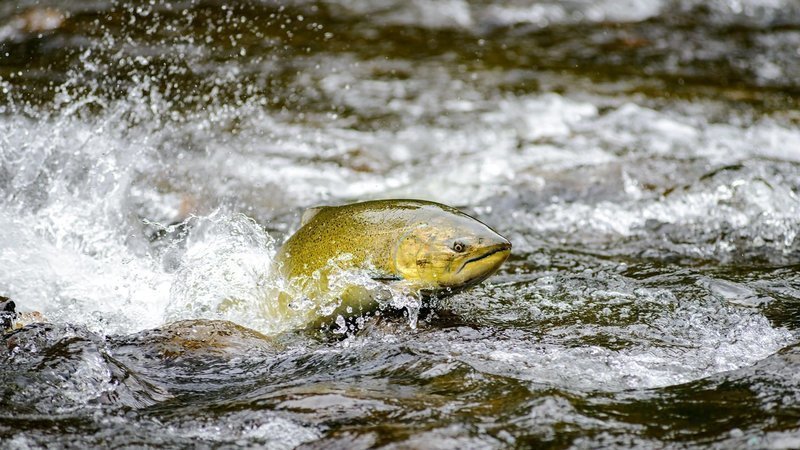
Years later, around the turn of the new millennium, when Davis was a chef himself and cooking fish for throngs of restaurant patrons in Seattle, a young kitchen helper showed him a magazine expose on the swordfish industry. “This is what your generation is leaving us,” the employee said angrily. Davis vowed to do better. When he opened his own restaurant, he named it after the Pacific Northwest’s most iconic game fish, albeit one seriously in decline. At Steelhead Diner you’ll find framed Spey flies on the wall but no steelhead on the menu. Nor will you find farmed salmon or anything from South America or Indonesia. “I only buy West Coast fish,” says the chef-owner, “from Oregon to Alaska. And only healthy stocks.”
“Our planet can no longer sustain the kind of indulgence that has dominated our relationship with the ocean for so many decades."
- Casson Trenor
Read the full story on Patagonia's blog: The Cleanest Line