

Urge White House Officials to Invest More in Biodiversity for Climate Change Defense
The Issue
I am personally invested in the issue of biodiversity because it underpins the web of life that we all depend on. The diversity of life we see today, from microscopic bacteria to vast ecosystems like forests and coral reefs, has developed over 4.5 billion years of evolution and is increasingly under threat from human activities. We depend on this biodiversity for everything from our food and water to medicines, climate stability, and our economic growth. It is no exaggeration to state that over half of the global GDP is dependent on the natural world (Dasgupta, 2021). Despite the monumental importance of biodiversity, it remains severely undervalued and underfunded in our fight against climate change. I urge the White House Officials to recognize this failing and increase their investment in biodiversity preservation as part of their larger climate strategy. Climate change is an existential threat, but with significant, focused investment in our world's biodiversity - our most potent natural defense - we can help mitigate its consequences.
How is climate change affecting biodiversity?:
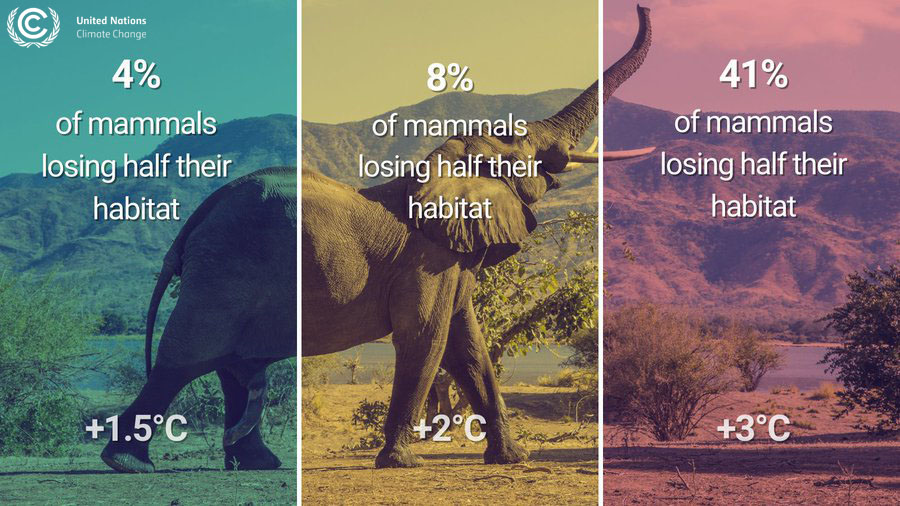
The main driver of biodiversity loss remains humans’ use of land – primarily for food production. Human activity has already altered over 70 per cent of all ice-free land. When land is converted for agriculture, some animal and plant species may lose their habitat and face extinction. But climate change is playing an increasingly important role in the decline of biodiversity. Climate change has altered marine, terrestrial, and freshwater ecosystems around the world. It has caused the loss of local species, increased diseases, and driven mass mortality of plants and animals, resulting in the first climate-driven extinctions. On land, higher temperatures have forced animals and plants to move to higher elevations or higher latitudes, many moving towards the Earth’s poles, with far-reaching consequences for ecosystems. The risk of species extinction increases with every degree of warming.
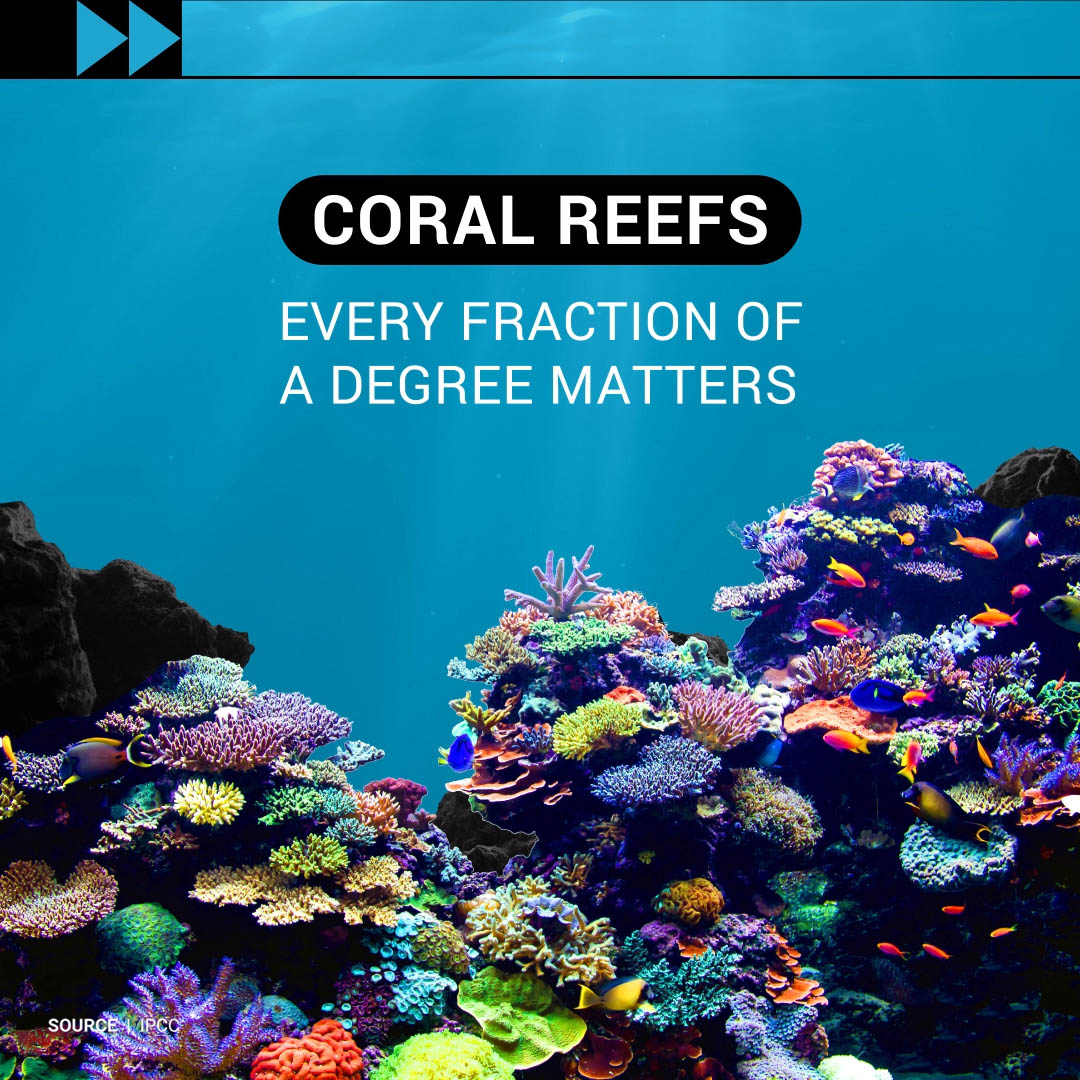
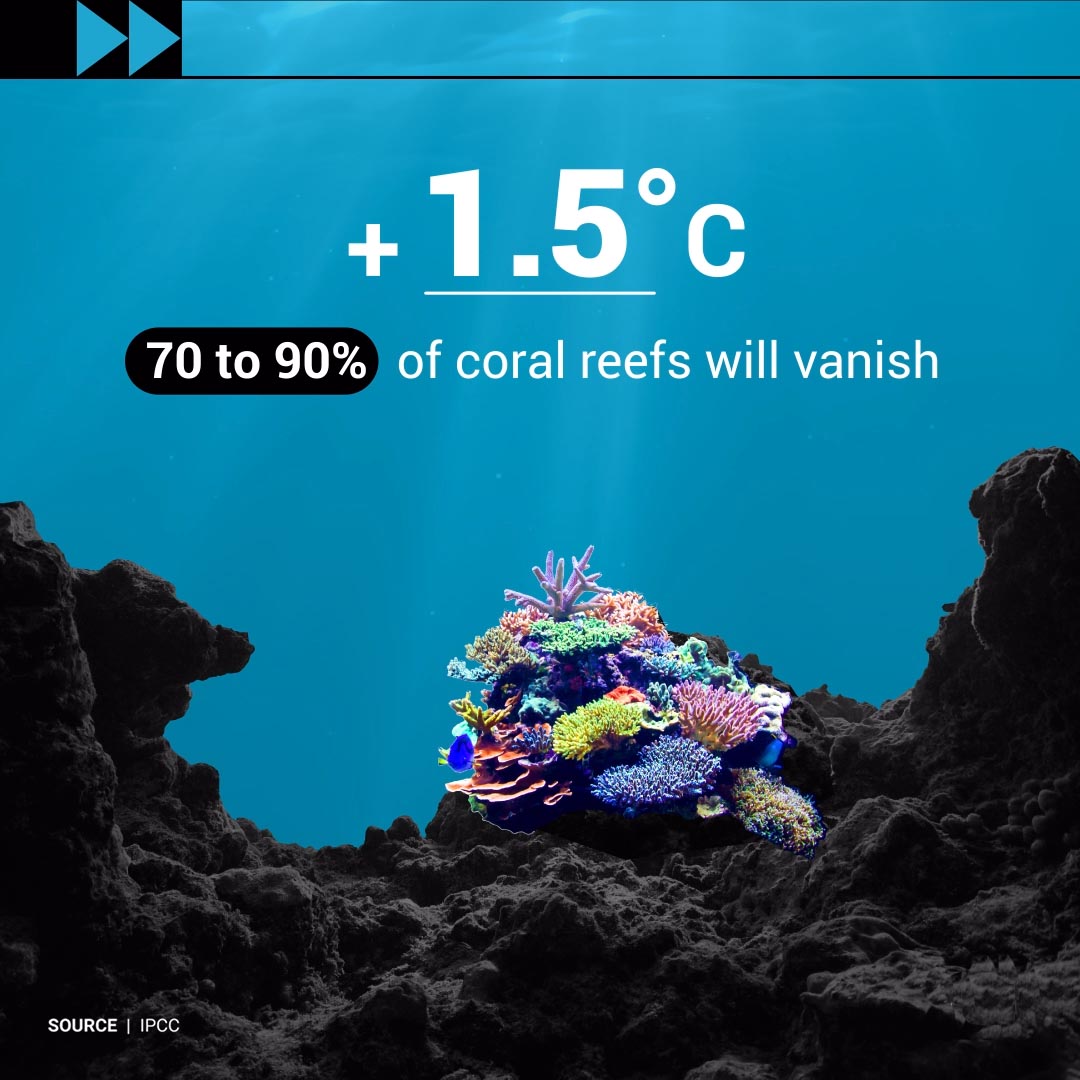
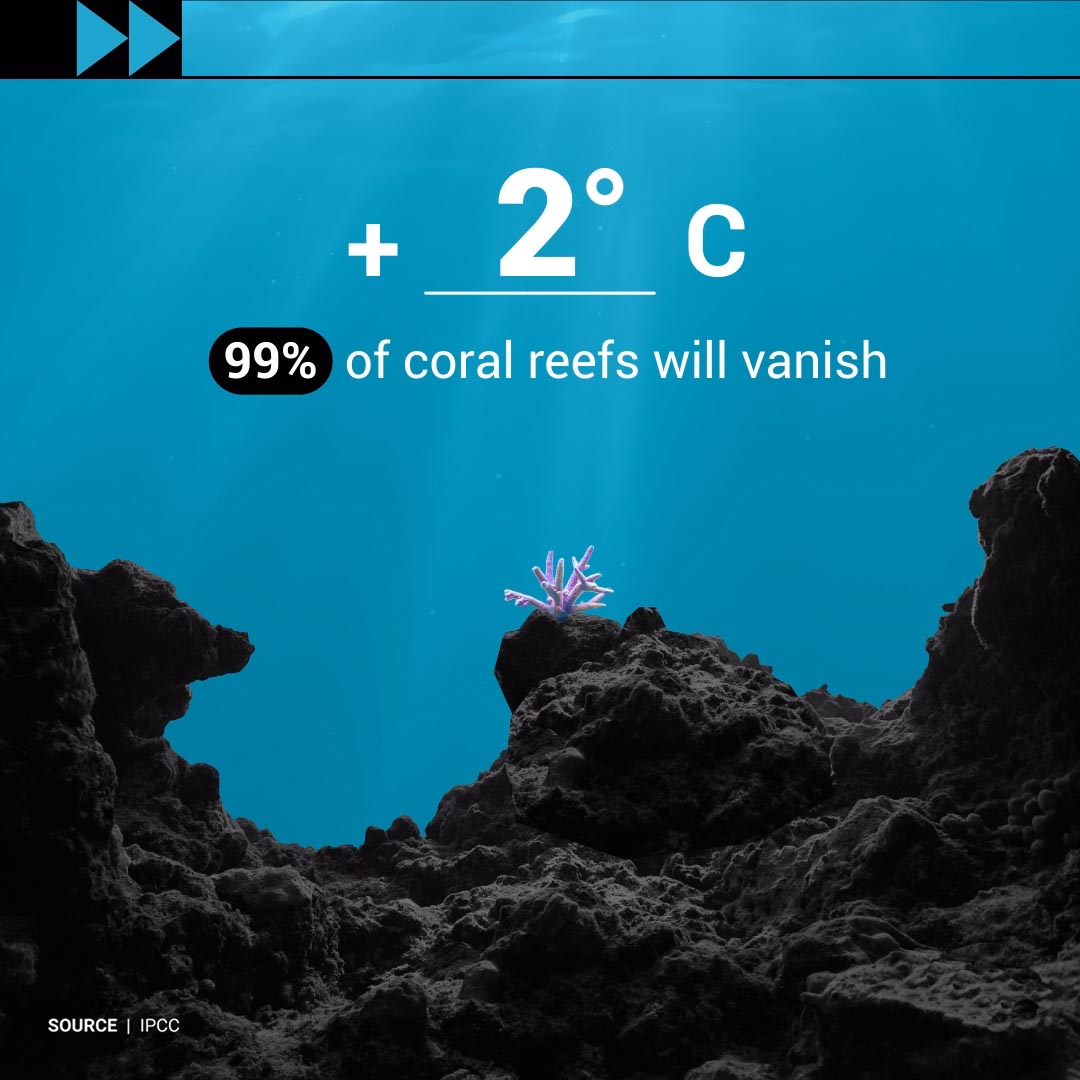
In the ocean, rising temperatures increase the risk of irreversible loss of marine and coastal ecosystems. Live coral reefs, for instance, have nearly halved in the past 150 years, and further warming threatens to destroy almost all remaining reefs.
Overall, climate change affects the health of ecosystems, influencing shifts in the distribution of plants, viruses, animals, and even human settlements. This can create increased opportunities for animals to spread diseases and for viruses to spill over to humans. Human health can also be affected by reduced ecosystem services, such as the loss of food, medicine and livelihoods provided by nature.
Why is biodiversity essential for limiting climate change?:
When human activities produce greenhouse gases, around half of the emissions remain in the atmosphere, while the other half is absorbed by the land and ocean. These ecosystems – and the biodiversity they contain – are natural carbon sinks, providing so-called nature-based solutions to climate change. Protecting, managing, and restoring forests, for example, offers roughly two-thirds of the total mitigation potential of all nature-based solutions. Despite massive and ongoing losses, forests still cover more than 30 per cent of the planet’s land. Peatlands – wetlands such as marshes and swamps – cover only 3 per cent of the world’s land, but they store twice as much carbon as all the forests. Preserving and restoring peatlands means keeping them wet so the carbon doesn’t oxidize and float off into the atmosphere. Ocean habitats such as seagrasses and mangroves can also sequester carbon dioxide from the atmosphere at rates up to four times higher than terrestrial forests can. Their ability to capture and store carbon make mangroves highly valuable in the fight against climate change. Conserving and restoring natural spaces, both on land and in the water, is essential for limiting carbon emissions and adapting to an already changing climate. About one-third of the greenhouse gas emissions reductions needed in the next decade could be achieved by improving nature’s ability to absorb emissions.
Is the UN tackling climate and biodiversity together?:
Climate change and biodiversity loss (as well as pollution) are part of an interlinked triple planetary crisis the world is facing today. They need to be tackled together if we are to advance the Sustainable Development Goals and secure a viable future on this planet.
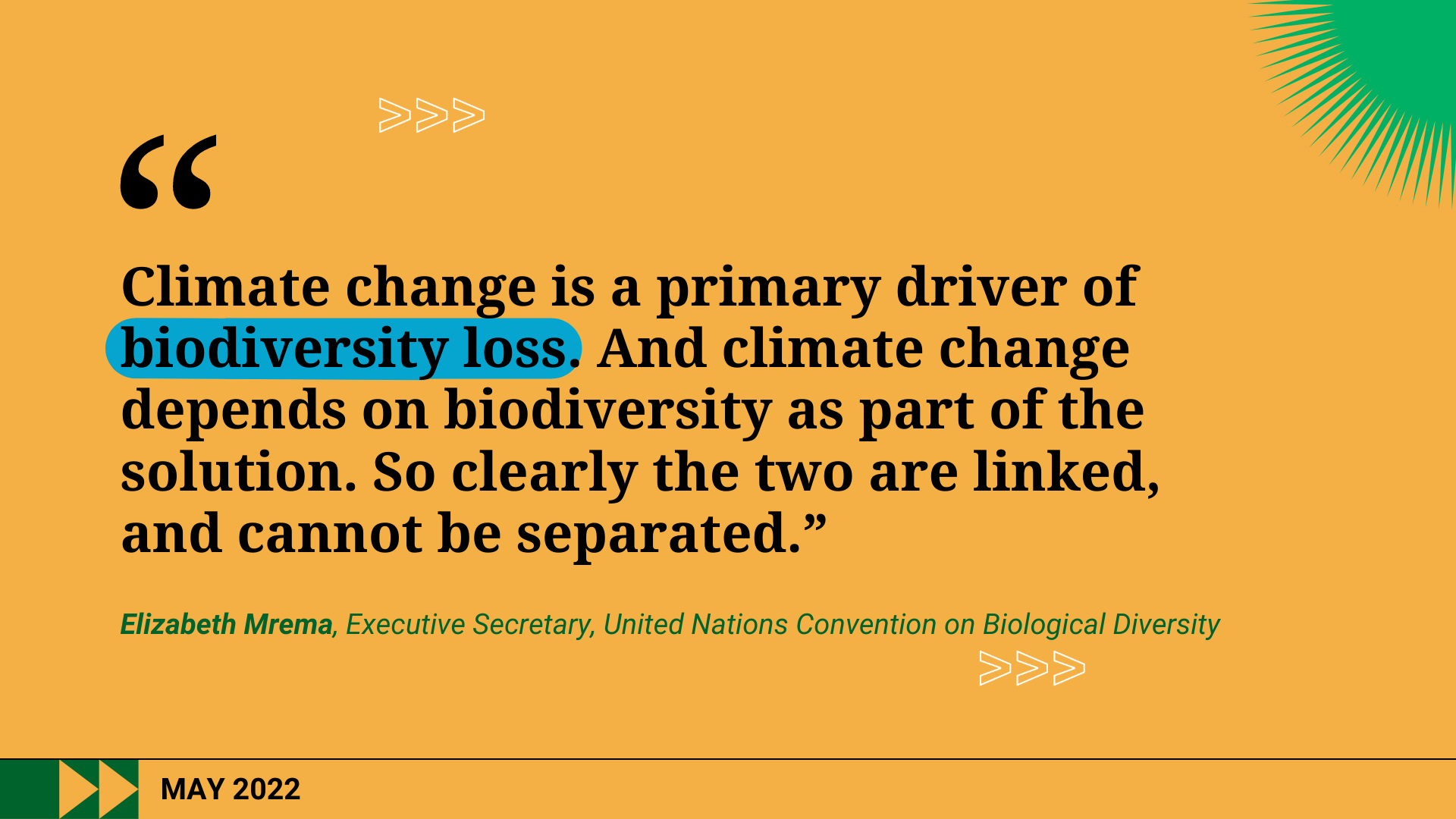
Governments deal with climate change and biodiversity through two different international agreements – the UN Framework Convention on Climate Change (UNFCCC) and the UN Convention on Biological Diversity (CBD), both established at the 1992 Rio Earth Summit. Similar to the historic Paris Agreement made in 2015 under the UNFCCC, parties to the Biodiversity Convention in December 2022 adopted an agreement for nature, known as the Kunming-Montreal Global Biodiversity Framework, which succeeds the Aichi Biodiversity Targets adopted in 2010. The framework includes wide-ranging steps to tackle the causes of biodiversity loss worldwide, including climate change and pollution. “An ambitious and effective post-2020 global biodiversity framework, with clear targets and benchmarks, can put nature and people back on track,” the UN Secretary-General said, adding that, “this framework should work in synergy with the Paris Agreement on climate change and other multilateral agreements on forests, desertification and oceans.” In December 2022, governments met in Montreal, Canada to agree on the new framework to secure an ambitious and transformative global plan to set humanity on a path to living in harmony with nature. “Delivering on the framework will contribute to the climate agenda, while full delivery of the Paris Agreement is needed to allow the framework to succeed,” said Inger Andersen, the head of the UN Environment Program. “We can’t work in isolation if we are to end the triple planetary crises.”
Please, join in signing this petition to encourage critical, lifesaving investment in biodiversity.

1
The Issue
I am personally invested in the issue of biodiversity because it underpins the web of life that we all depend on. The diversity of life we see today, from microscopic bacteria to vast ecosystems like forests and coral reefs, has developed over 4.5 billion years of evolution and is increasingly under threat from human activities. We depend on this biodiversity for everything from our food and water to medicines, climate stability, and our economic growth. It is no exaggeration to state that over half of the global GDP is dependent on the natural world (Dasgupta, 2021). Despite the monumental importance of biodiversity, it remains severely undervalued and underfunded in our fight against climate change. I urge the White House Officials to recognize this failing and increase their investment in biodiversity preservation as part of their larger climate strategy. Climate change is an existential threat, but with significant, focused investment in our world's biodiversity - our most potent natural defense - we can help mitigate its consequences.
How is climate change affecting biodiversity?:
The main driver of biodiversity loss remains humans’ use of land – primarily for food production. Human activity has already altered over 70 per cent of all ice-free land. When land is converted for agriculture, some animal and plant species may lose their habitat and face extinction. But climate change is playing an increasingly important role in the decline of biodiversity. Climate change has altered marine, terrestrial, and freshwater ecosystems around the world. It has caused the loss of local species, increased diseases, and driven mass mortality of plants and animals, resulting in the first climate-driven extinctions. On land, higher temperatures have forced animals and plants to move to higher elevations or higher latitudes, many moving towards the Earth’s poles, with far-reaching consequences for ecosystems. The risk of species extinction increases with every degree of warming.
In the ocean, rising temperatures increase the risk of irreversible loss of marine and coastal ecosystems. Live coral reefs, for instance, have nearly halved in the past 150 years, and further warming threatens to destroy almost all remaining reefs.
Overall, climate change affects the health of ecosystems, influencing shifts in the distribution of plants, viruses, animals, and even human settlements. This can create increased opportunities for animals to spread diseases and for viruses to spill over to humans. Human health can also be affected by reduced ecosystem services, such as the loss of food, medicine and livelihoods provided by nature.
Why is biodiversity essential for limiting climate change?:
When human activities produce greenhouse gases, around half of the emissions remain in the atmosphere, while the other half is absorbed by the land and ocean. These ecosystems – and the biodiversity they contain – are natural carbon sinks, providing so-called nature-based solutions to climate change. Protecting, managing, and restoring forests, for example, offers roughly two-thirds of the total mitigation potential of all nature-based solutions. Despite massive and ongoing losses, forests still cover more than 30 per cent of the planet’s land. Peatlands – wetlands such as marshes and swamps – cover only 3 per cent of the world’s land, but they store twice as much carbon as all the forests. Preserving and restoring peatlands means keeping them wet so the carbon doesn’t oxidize and float off into the atmosphere. Ocean habitats such as seagrasses and mangroves can also sequester carbon dioxide from the atmosphere at rates up to four times higher than terrestrial forests can. Their ability to capture and store carbon make mangroves highly valuable in the fight against climate change. Conserving and restoring natural spaces, both on land and in the water, is essential for limiting carbon emissions and adapting to an already changing climate. About one-third of the greenhouse gas emissions reductions needed in the next decade could be achieved by improving nature’s ability to absorb emissions.
Is the UN tackling climate and biodiversity together?:
Climate change and biodiversity loss (as well as pollution) are part of an interlinked triple planetary crisis the world is facing today. They need to be tackled together if we are to advance the Sustainable Development Goals and secure a viable future on this planet.
Governments deal with climate change and biodiversity through two different international agreements – the UN Framework Convention on Climate Change (UNFCCC) and the UN Convention on Biological Diversity (CBD), both established at the 1992 Rio Earth Summit. Similar to the historic Paris Agreement made in 2015 under the UNFCCC, parties to the Biodiversity Convention in December 2022 adopted an agreement for nature, known as the Kunming-Montreal Global Biodiversity Framework, which succeeds the Aichi Biodiversity Targets adopted in 2010. The framework includes wide-ranging steps to tackle the causes of biodiversity loss worldwide, including climate change and pollution. “An ambitious and effective post-2020 global biodiversity framework, with clear targets and benchmarks, can put nature and people back on track,” the UN Secretary-General said, adding that, “this framework should work in synergy with the Paris Agreement on climate change and other multilateral agreements on forests, desertification and oceans.” In December 2022, governments met in Montreal, Canada to agree on the new framework to secure an ambitious and transformative global plan to set humanity on a path to living in harmony with nature. “Delivering on the framework will contribute to the climate agenda, while full delivery of the Paris Agreement is needed to allow the framework to succeed,” said Inger Andersen, the head of the UN Environment Program. “We can’t work in isolation if we are to end the triple planetary crises.”
Please, join in signing this petition to encourage critical, lifesaving investment in biodiversity.
The Decision Makers


Petition Updates
Share this petition
Petition created on September 25, 2024