
Urge Congress to pass "The No Lie Election Advertising Act"
The Issue
THE NO LIE ELECTION ADVERTISING ACT
Proposed Federal Legislation to Restore Truth and Accountability in American Elections
A fundamental principle: Candidates should be free to express their opinions—but not to knowingly deceive voters about the facts.
THE PROBLEM
The integrity of American democracy depends upon the ability of citizens to make informed choices at the ballot box. Yet political candidates can deliberately circulate false statements about their opponents through television, radio, print advertising, social media, and other communications, potentially influencing elections without facing meaningful personal accountability.
Although federal law requires candidates to identify themselves as approving certain political advertisements, that approval does not itself establish accountability for the truthfulness of their claims.
If candidates personally approve political advertisements, they should also bear responsibility for knowingly false factual claims contained in those advertisements.
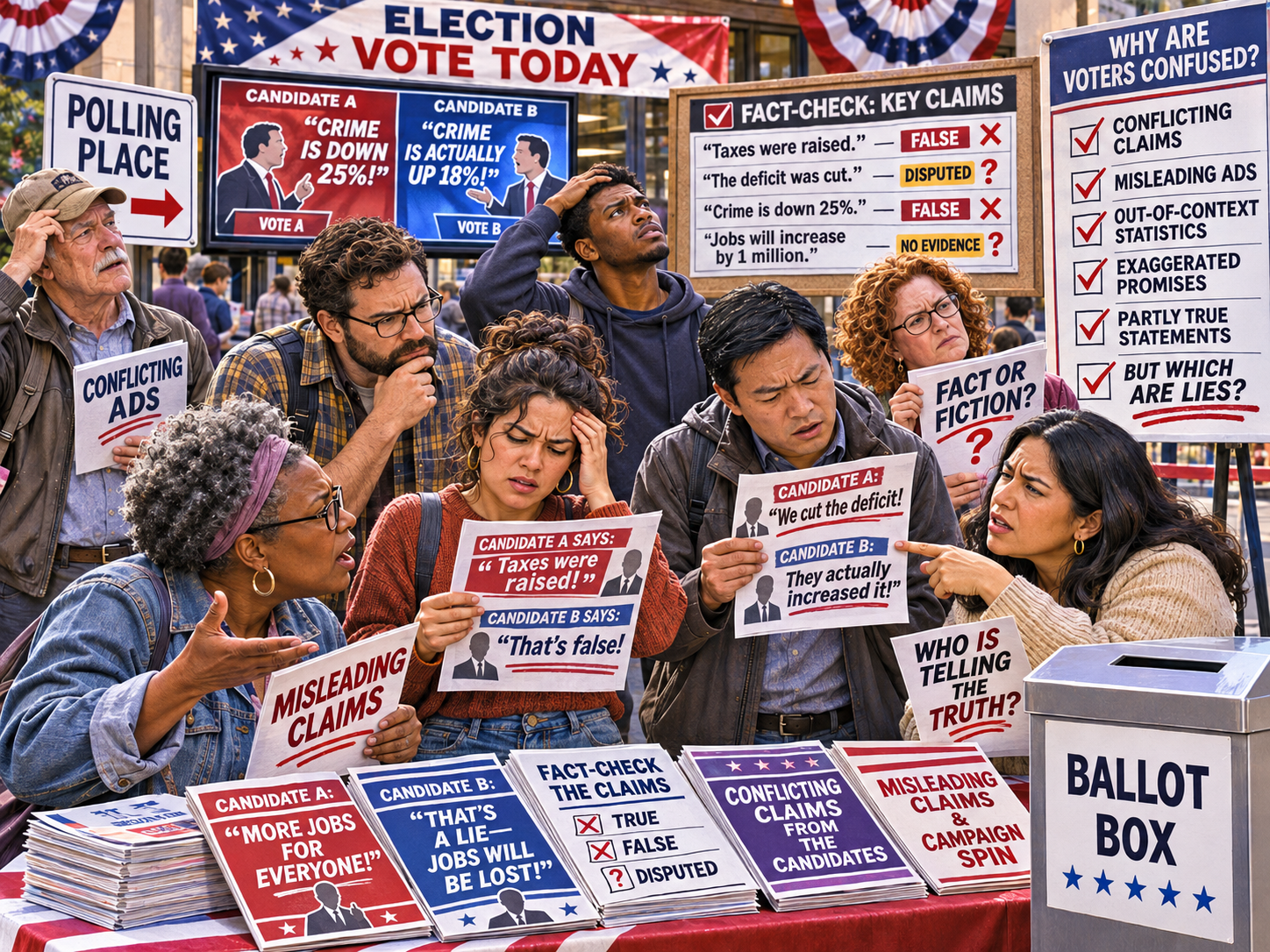
THE PROPOSED LAW
The No Lie Election Advertising Act would establish federal standards of personal accountability for candidates who knowingly authorize or approve materially false statements of fact about their political opponents in campaign advertising.
The legislation would:
- Prohibit Deliberate Falsehoods.
- Prohibit candidates for federal office from knowingly approving or authorizing political advertisements containing demonstrably false, material statements of fact about an opponent, including statements published with reckless disregard for their truth.
- Cover All Advertising Platforms. Apply equally to television, radio, newspapers, direct mail, printed materials, websites, social media, digital advertising, and emerging communication technologies.
Establish Independent Bipartisan Oversight. - Create an independent Election Truth and Accountability Commission composed of bipartisan and nonpartisan members to investigate documented complaints, evaluate evidence, and refer substantiated violations for expedited judicial review.
- Impose Meaningful Personal Consequences. Establish substantial financial penalties, mandatory public corrections, and heightened penalties for repeated or especially egregious violations. The legislation would also explore a multi-year disqualification from seeking public office for serious or repeated intentional violations, to be pursued only through a constitutionally valid mechanism.
- Protect Free Speech and Due Process. Distinguish objectively verifiable false statements from protected political opinions, satire, interpretations, and legitimate criticism. Require clear and convincing evidence, independent judicial review, and the right to appeal before penalties are imposed.
WHY CONGRESS SHOULD ACT
Truthful information is essential to meaningful self-government. When candidates deliberately falsify the records, actions, or statements of their opponents, they deprive voters of the opportunity to make decisions based on reality.
The No Lie Election Advertising Act is not intended to police political opinions or suppress vigorous debate. Its purpose is to establish a clear standard of responsibility for candidates who knowingly misrepresent verifiable facts.
Americans should be able to disagree about political ideas without being deliberately deceived about political facts.
A CALL TO CONGRESS
We urge Congress to develop and enact constitutionally sound legislation establishing meaningful personal accountability for candidates who knowingly deceive voters through materially false factual claims in election advertising.
The right to free speech is fundamental to democracy. So is the public's right to an honest election.

34
The Issue
THE NO LIE ELECTION ADVERTISING ACT
Proposed Federal Legislation to Restore Truth and Accountability in American Elections
A fundamental principle: Candidates should be free to express their opinions—but not to knowingly deceive voters about the facts.
THE PROBLEM
The integrity of American democracy depends upon the ability of citizens to make informed choices at the ballot box. Yet political candidates can deliberately circulate false statements about their opponents through television, radio, print advertising, social media, and other communications, potentially influencing elections without facing meaningful personal accountability.
Although federal law requires candidates to identify themselves as approving certain political advertisements, that approval does not itself establish accountability for the truthfulness of their claims.
If candidates personally approve political advertisements, they should also bear responsibility for knowingly false factual claims contained in those advertisements.
THE PROPOSED LAW
The No Lie Election Advertising Act would establish federal standards of personal accountability for candidates who knowingly authorize or approve materially false statements of fact about their political opponents in campaign advertising.
The legislation would:
- Prohibit Deliberate Falsehoods.
- Prohibit candidates for federal office from knowingly approving or authorizing political advertisements containing demonstrably false, material statements of fact about an opponent, including statements published with reckless disregard for their truth.
- Cover All Advertising Platforms. Apply equally to television, radio, newspapers, direct mail, printed materials, websites, social media, digital advertising, and emerging communication technologies.
Establish Independent Bipartisan Oversight. - Create an independent Election Truth and Accountability Commission composed of bipartisan and nonpartisan members to investigate documented complaints, evaluate evidence, and refer substantiated violations for expedited judicial review.
- Impose Meaningful Personal Consequences. Establish substantial financial penalties, mandatory public corrections, and heightened penalties for repeated or especially egregious violations. The legislation would also explore a multi-year disqualification from seeking public office for serious or repeated intentional violations, to be pursued only through a constitutionally valid mechanism.
- Protect Free Speech and Due Process. Distinguish objectively verifiable false statements from protected political opinions, satire, interpretations, and legitimate criticism. Require clear and convincing evidence, independent judicial review, and the right to appeal before penalties are imposed.
WHY CONGRESS SHOULD ACT
Truthful information is essential to meaningful self-government. When candidates deliberately falsify the records, actions, or statements of their opponents, they deprive voters of the opportunity to make decisions based on reality.
The No Lie Election Advertising Act is not intended to police political opinions or suppress vigorous debate. Its purpose is to establish a clear standard of responsibility for candidates who knowingly misrepresent verifiable facts.
Americans should be able to disagree about political ideas without being deliberately deceived about political facts.
A CALL TO CONGRESS
We urge Congress to develop and enact constitutionally sound legislation establishing meaningful personal accountability for candidates who knowingly deceive voters through materially false factual claims in election advertising.
The right to free speech is fundamental to democracy. So is the public's right to an honest election.
The Decision Makers


Petition Updates
Share this petition
Petition created on November 7, 2026