
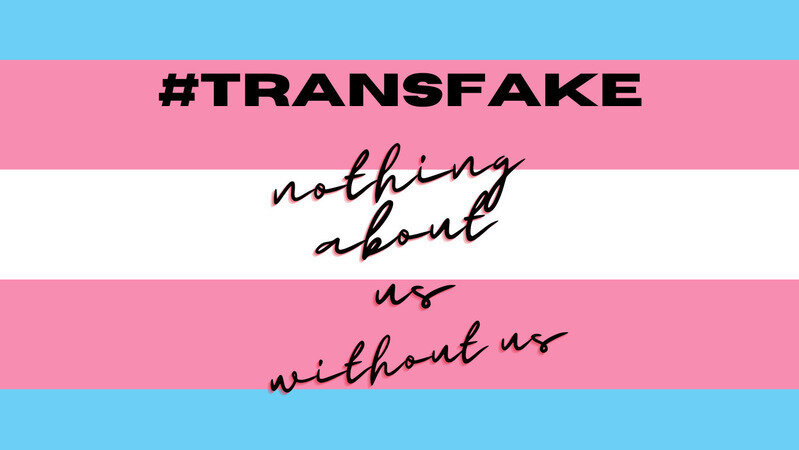
TRANSFAKE:Drept la autoreprezentare a persoanelor trans in cultură
The Issue
TRANSFAKE: Ori cu noi, ori deloc!Sau despre dreptul la autoreprezentare a persoanelor trans în industria artistică
Acțiunea de protest de ieri seară, 26 ianuarie 2024, din timpul spectacolului "Eu Sunt Propria Mea Soție - Charlotte" în regia Teodorei Petre, producție a Teatrului Mic din București, este un strigăt pentru reprezentarea autentică a persoanelor trans în teatrul și cultura din România. Refuzul creatorilor spectacolului de a se angaja într-un dialog inclusiv cu comunitatea transgender evidențiază problema amplă a transfobiei. Fake Trans înseamnă Transfobie. Reprezentarea transgen în teatru nu este doar despre vizibilitate, ci și despre autenticitatea și integritatea persoanelor reprezentate și a poveștilor lor. Pentru a nu cădea în capcana transfobiei este vital ca pe viitor persoanele transgender să fie implicate în toate aspectele creației teatrale privind reprezentarea comunității trans.
Mișcarea inițiată în 2017, odată cu lansarea manifestului "Representatividade Trans Já" în Brazilia, prin contribuția lui Renata Carvalho și a Monart (Mișcarea Națională a Artiștilor Trans) care contestă practica "TransFake". Mișcarea are loc și în țări precum Portugalia (inițiată de activistele transgen Keyla Brasil și Dusty Whistles), Germania, Franța și subliniază importanța unei reprezentări autentice și a implicării comunității trans în toate formele de artă.
https://en.wikipedia.org/wiki/Renata_Carvalho
Trebuie să înțelegem că, dincolo de aparentul disconfort creat prin întreruperea spectacolului, Antonella Lerca Duda, activistă transgen de etnie romă și Erika Maria Ion activistă transgen care au luat această decizie, și-au asumat o poziție vulnerabilă. Să nu uităm faptul că deseori persoanele din grupuri istoric discriminate nu sunt în poziția de a critica autori/autoare care decid fără drept să scrie istorii despre ele. Ieșirea într-un spațiu cultural pentru a critica, un spațiu care nu invită niciodată persoane transgender la discuții este un act de curaj. Aceasta pare să fie singura modalitate de a face ca vocea noastră să fie auzită într-o societate care adesea fie ne brutalizează, fie ne ignoră sau ne șterge existența. Acest demers nu este doar despre un spectacol de teatru, ci despre modul în care societatea alege sau nu să vadă și să reprezinte persoanele transgender.
Reprezentarea injustă sau lipsa reprezentării noastre în artă nu sunt probleme izolate. Ele sunt simptome ale unei societăți care continuă să ne marginalizeze și să ne trateze drept cetățeni de rang secundar. În contextul unui spectacol care abordează viața unei femei transgender reale, omiterea identității sale trans și refuzul de a include voci trans autentice în realizarea producției sunt nu doar erori artistice ci și acte de invalidare prin ignoranță a unei lupte reale pentru drepturi și recunoaștere. Denotă lipsă de etică și responsabilitate culturală și socială care nu dă credit unei comunități vulnerabile și nu înțelegem scopul acestui produs artistic lipsit de toate acestea.
Pentru a analiza în profunzime situația persoanelor trans în România și a contextualiza acțiunea din spectacolul "Eu Sunt Propria Mea Soție - Charlotte", este important să luăm în considerare mai multe aspecte:
- Reprezentarea în Teatru și Media: Persoanele trans se confruntă adesea cu reprezentări incorecte sau stereotipice în teatru și alte forme de media. Aceasta nu doar că perpetuează înțelegeri greșite, dar și împiedică o recunoaștere autentică a experiențelor noastre.
https://howlround.com/dont-call-me-maam - Dialogul cu Comunitatea Trans: Refuzul echipelor de creație de a dialoga cu comunitatea trans este o problemă majoră. Un dialog autentic ar putea duce la reprezentări mai oneste și ar oferi o platformă pentru ca vocile trans să fie auzite.
Condițiile Sociale și Politice: În România, persoanele trans se confruntă cu provocări semnificative, inclusiv discriminare și dificultăți în accesul la servicii de sănătate adecvate pentru tranziție. Acestea sunt reflectate și în modul în care societatea percepe și reprezintă persoanele trans în cultură și artă. În momentul de față, în România sunt pe rol mai multe procese în care statul român refuză să recunoască legal persoanele ce au trecut prin procesul de schimbare de gen/sex. Printre acestea se află cazul lui Arian Mirzarafie-Ahi, bărbat român transgender stabilit în Marea Britanie, susținut de asociația ACCEPT România.
https://www.ilga-europe.org/press-release/romanian-transgender-mans-landmark-case-requesting-that-romania-acknowledges-his-uk-gender-recognition-referred-to-the-court-of-justice-of-the-european-union/ - Nevoia de Schimbare: Personajele transgender ar trebui să fie reprezentate în spectacole de către performeri transgender. Acest lucru nu doar că asigură autenticitate, dar și mai important, sprijină lupta mai largă pentru drepturile și recunoașterea persoanelor trans în ceea ce privește accesul egal la angajare și capacitatea de a ne reprezenta propriile experiențe. Argumente care desființează perspectiva noastră, de tipul „ca actor, nu trebuie să fi trăit o anumită experiență ca să joci un rol” nu stau în picioare în acest caz pentru că aici există persoane trans care pot juca acest rol, de exemplu Raj Alexandru Udrea sau chiar Antonella Lerca Duda. Dar si pentru că nu poate exista o reprezentație cisgen empatică atâta timp cât în societatea românească nici măcar nu exista o empatie la nivel al drepturilor umane de bază. Scriem aceste rânduri ca experți în domeniul artelor performative: cercetători, pedagogi, regizori și performeri aflați în spatele acestei mișcări transnaționale de reprezentare justă a identităților de gen, sexuale, etnice etc.
Prin urmare, cerem ca teatrul și echipa de creație să recunoască nevoia de reprezentare autentică și să se angajeze într-un dialog constructiv cu comunitatea trans. De asemenea, solicităm schimbări în modul în care sunt reprezentate poveștile trans în România, pentru a reflecta mai corect și mai respectuos realitățile comunității trans. Ne rezervăm dreptul de a ne aduce corpurile și identitățile trans în orice spațiu unde poveștile noastre (puține de altfel) sunt reprezentate sau utilizate în mod greșit.
De altfel, cerem ca descrierea spectacolului pe site-ul teatrului Teatrul Mic https://www.teatrulmic.ro/spectacol/charlotte/ să fie schimbată pentru a reflecta în mod corect identitatea trans a lui Charlotte von Mahlsdorf. Propunem această variantă:
„Eu sunt propria mea soție” de Doug Wright este un One Man Show cu actorul Gabi Costin care prezintă o poveste plină de amintiri, nuanțe și emoții puternice ale lui Charlotte von Mahlsdorf, o femeie trans de origine germană, supraviețuitoare a regimurilor totalitare în timpul național-socialismului și comunismului cu multiple straturi și secrete, din renumitul text, bazat pe povestea reală.’’
În cazul unui refuz, următorul argument oferit de echipa de producție devine invalid:
‘Spectacolul explorează complexitatea identității și lupta pentru autenticitate, reușind să îmbine umorul, dramatismul și introspecția într-o poveste tulburătoare despre identitate și autodescoperire.’
De asemenea, propunem ca o persoană trans să fie invitată să ofere context înaintea fiecărei reprezentații și să fie remunerată pentru expertiza sa. În absența unui dialog constructiv cu echipa de creație și cu activiștii trans din București, propunem chiar anularea spectacolului.
Lupta noastră nu este pentru privilegii, ci pentru egalitate și respect. Lupta noastră este intersecțională, suntem mult/e , persoane trans, de etnie romă, BIPOC, indivizi non-binari, lesbiene și bărbați gay. Vrem ca poveștile noastre să fie spuse așa cum sunt, de către noi și aliații noștri. Aceasta nu este doar o chestiune de dreptate socială, ci și una de integritate artistică și culturală. Ori cu noi, ori deloc!
TRANSFAKE #ORICUNOI Trans Fake e Transfobie
TRANSFAKE: Nothing about us without us!
About the Right to Self-Representation of Trans People in the Artistic Industry of Romania and beyond
Last night's protest action during the performance of "I Am My Own Wife - Charlotte" directed by Teodora Petre at Teatrul Mic in Bucharest, is a call for authentic representation of trans individuals in Romanian theater and culture. The creators' refusal to engage in inclusive dialogue with the trans community highlights the broader issue of transphobia in the industry. Trans representation in theater is not only about visibility but also about the authenticity and integrity of the individuals and their stories represented. To avoid falling into the trap of transphobia, it is vital for trans individuals to be involved in all aspects of theatrical creation concerning trans community representation.
The movement initiated in 2017 with the launch of the manifesto “Representatividade Trans Já” in Brazil, through the contributions of Renata Carvalho and Monart (National Movement of Trans Artists), underscores this need. to challenge the "TransFake" practice. This movement, has been active in countries like Portugal, Germany, France, and Brazil, emphasizes the importance of authentic representation and the involvement of the trans community in all forms of art.
We must understand that the apparent discomfort caused by interrupting the performance was a necessary step taken by Antonella Lerca Duda, Romani transgender activist and Erika Maria Ion, both women assuming a vulnerable position. This seems to be the only way to make our voice heard in a society that often brutalizes, ignores, or erases our existence. This action is not just about a theater show, but how society chooses to see and represent trans individuals.
Unfair representation or lack of representation in art is not an isolated problem. It reflects a society that continues to marginalize us and treat us as second-class citizens. In the context of a show about a real trans woman's life, omitting her trans identity and refusing to include authentic trans voices in the production are not just artistic errors, but acts of invalidation through ignorance of a real struggle for rights and recognition.
To deeply analyze the situation of trans individuals in Romania and contextualize the action during "Eu Sunt Propria Soție - CHARLOTTE" it's important to consider several aspects:
- Representation in Theater and Media: Trans individuals often face incorrect or stereotypical representations in theater and other media forms, perpetuating misunderstandings and hindering authentic recognition of our experiences.
https://howlround.com/dont-call-me-maam - Dialogue with the Trans Community: The refusal of creative teams to engage with the trans community is a major issue. Authentic dialogue could lead to more honest representations and provide a platform for trans voices to be heard.
- Social and Political Conditions: In Romania, trans individuals face significant challenges, including discrimination and difficulties in accessing adequate health services for transition. These are reflected in how society perceives and represents trans individuals in culture and art. Currently, several legal cases in Romania refuse to legally recognize individuals who have undergone gender/sex change processes, including the case of Arian Mirzarafie-Ahi, a Romanian transgender man residing in the UK, supported by ACCEPT Romania.
https://www.ilga-europe.org/press-release/romanian-transgender-mans-landmark-case-requesting-that-romania-acknowledges-his-uk-gender-recognition-referred-to-the-court-of-justice-of-the-european-union/ - The Need for Change: Transgender characters should be represented in performances by transgender performers. This not only ensures authenticity but more importantly, supports the broader struggle for the rights and recognition of trans individuals regarding equal access to employment and the ability to portray our own experiences. Arguments against our perspective, such as "as an actor, you don't need to have lived a certain experience to play a role," do not hold up in this case. The systematic exclusion of trans people from the ability to represent themselves and tell their own histories is an act of dehumanization - a fundamental expression of structural oppression. Robbing trans people of the ability to define narratives about their experience and leaving that in the hands of those who structurally benefit from their oppression leads to harmful mischaracterizations and the maintenance of oppressive stereotypes. Equal access to labor and self representation is fundamental for all people living in democratic societies as it upholds the plurality necessary for social cohesion. We write these lines as experts in the field of performing arts: researchers, educators, directors, and performers behind this transnational movement for fair representation of gender, sexual, and ethnic identities., etc.
We demand a material restructuring in the cultural sector, to make employment for trans people equal and accessible. This includes: grants for trans cultural production, residencies and support programs for the development of trans culture, and the development of criteria for trans inclusion within the state organs of cultural funding. This process requires an understanding of trans communities in their intersectional complexity and an active engagement in our diverse and multiple experiences of structural and material oppression.
Therefore, we demand that the theater and creative team recognize the need for trans inclusive authentic representation and engage in constructive dialogue with the trans community. We also request changes in how trans stories are represented in Romania, to reflect the realities of the trans community more correctly and respectfully. We reserve the right to bring our trans bodies and identities into any space where our stories (few as they are) are misrepresented or misused!
Furthermore, we request that the description of the show on the Teatrul Mic website be changed to correctly reflect the trans identity of Charlotte von Mahlsdorf. We propose this version:
"I Am My Own Wife" by Doug Wright is a one-man show with actor Gabi Costin presenting a story full of memories, nuances, and strong emotions of Charlotte von Mahlsdorf, a German-born trans woman, a survivor of totalitarian regimes during National Socialism and Communism with multiple layers and secrets, from the renowned text based on the real story.''
In case of refusal, the following argument offered by the production team becomes invalid:
"The show explores the complexity of identity and the struggle for authenticity, successfully combining humor, drama, and introspection in a disturbing story about identity and self-discovery."
We also propose that a trans individual be invited to provide context before each performance and be compensated for their expertise. In the absence of constructive dialogue with the creative team and trans activists in Bucharest, we propose the cancellation of the show.
Our fight is not for privilege, but for equality and respect. Our struggle is intersectional, we are many and we are transgender, Romani, BIPOC, non-binary individuals, lesbian and gay men. We want our stories to be told as they are by us and our allies. This is not just a matter of social justice but also one of artistic and cultural integrity. With us or not at all!
TRANSFAKE
TRANSFAKE is TRANSPHOBIA!
TRANSFAKE: No sin nosotres!!
Sobre el derecho a la autorrepresentación de las personas trans en la industria artística de Rumanía y fuera de ella
La acción de protesta de anoche durante la representación de "I Am My Own Wife - Charlotte", dirigida por Teodora Petre en el Teatrul Mic de Bucarest, es un llamamiento a la representación auténtica de las personas trans en el teatro y la cultura rumanos. La negativa de los creadores a entablar un diálogo integrador con la comunidad trans pone de manifiesto el problema más general de la transfobia en el sector. La representación trans en el teatro no sólo tiene que ver con la visibilidad, sino también con la autenticidad y la integridad de las personas y sus historias representadas. Para evitar caer en la trampa de la transfobia, es vital que las personas trans participen en todos los aspectos de la creación teatral relacionados con la representación de la comunidad trans.
El movimiento fue iniciado en 2017 con el lanzamiento del manifiesto "Representatividade Trans Já" en Brasil, a través de las contribuciones de Renata Carvalho y Monart (Movimiento Nacional de Artistas Trans) cuestionando la práctica del "TransFake". Este movimiento, presente en países como Portugal, Alemania, Francia y Brasil, hace hincapié en la importancia de la representación auténtica y la participación de la comunidad trans en todas las formas de arte.
Debemos entender que la aparente incomodidad causada por la interrupción de la actuación fue un paso necesario dado por Antonella Lerca Duda, activista transgénero romaní, y Erika Maria Ion, ambas mujeres asumiendo una posición vulnerable. Esta parece ser la única manera de hacer oír nuestra voz en una sociedad que a menudo embrutece, ignora o borra nuestra existencia. Esta acción no trata sólo de un espectáculo teatral, sino de cómo la sociedad decide ver y representar a las personas trans.
La representación injusta o la falta de representación en el arte no es un problema aislado. Refleja una sociedad que sigue marginándonos y tratándonos como ciudadanos de segunda clase. En el contexto de un espectáculo sobre la vida real de una mujer trans, omitir su identidad trans y negarse a incluir voces trans auténticas en la producción no son sólo errores artísticos, sino actos de invalidación por desconocimiento de una lucha real por los derechos y el reconocimiento.
Para analizar en profundidad la situación de las personas trans en Rumanía y contextualizar la acción durante "Eu Sunt Propria Soție - CHARLOTTE" es importante tener en cuenta varios aspectos:
Representación en el teatro y los medios de comunicación: Las personas trans se enfrentan a menudo a representaciones incorrectas o estereotipadas en el teatro y otros medios de comunicación, lo que perpetúa los malentendidos y dificulta el reconocimiento auténtico de nuestras experiencias. https://howlround.com/dont-call-me-maam
Diálogo con la comunidad trans: La negativa de los equipos creativos a dialogar con la comunidad trans es un problema importante. Un diálogo auténtico podría dar lugar a representaciones más honestas y proporcionar una plataforma para que se escuchen las voces trans.
Condiciones sociales y políticas: En Rumanía, las personas trans se enfrentan a importantes retos, como la discriminación y las dificultades para acceder a servicios sanitarios adecuados para la transición. Esto se refleja en cómo la sociedad percibe y representa a las personas trans en la cultura y el arte. En la actualidad, varios casos legales en Rumanía se niegan a reconocer legalmente a las personas que se han sometido a procesos de cambio de sexo/género, incluido el caso de Arian Mirzarafie-Ahi, un hombre trans rumano que reside en el Reino Unido, apoyado por ACCEPT Rumanía.
https://www.ilga-europe.org/press-release/romanian-transgender-mans-landmark-case-requesting-that-romania-acknowledges-his-uk-gender-recognition-referred-to-the-court-of-justice-of-the-european-union/
Necesidad de cambio: Los personajes trans deben ser representadas en los espectáculos por intérpretes trans. Esto no sólo garantiza la autenticidad sino que, lo que es más importante, apoya la lucha más amplia por los derechos y el reconocimiento de las personas trans sobre la igualdad de acceso al empleo y la capacidad de retratar nuestras propias experiencias. Los argumentos en contra de nuestra perspectiva, como "como actor, no necesitas haber vivido una determinada experiencia para interpretar un papel", no se sostienen en este caso. Escribimos estas líneas como expertos en el campo de las artes escénicas: investigadores, educadores, directores e intérpretes detrás de este movimiento transnacional por una representación justa de las identidades de género, sexuales, étnicas, etc.
Por lo tanto, exigimos que el teatro y el equipo creativo reconozcan la necesidad de una representación auténtica y entablen un diálogo constructivo con la comunidad trans. También solicitamos cambios en la forma en que se representan las historias trans en Rumanía, para reflejar las realidades de la comunidad trans de forma más correcta y respetuosa. Nos reservamos el derecho a llevar nuestros cuerpos e identidades trans a cualquier espacio en el que nuestras historias (por pocas que sean) estén mal representadas o mal utilizadas.
Además, solicitamos que se modifique la descripción del espectáculo en la página web de Teatrul Mic para que refleje correctamente la identidad trans de Charlotte von Mahlsdorf.
Proponemos esta versión:
"I Am My Own Wife" de Doug Wright es un espectáculo unipersonal con el actor Gabi Costin que presenta una historia llena de recuerdos, matices y emociones fuertes de Charlotte von Mahlsdorf, una mujer trans nacida en Alemania, superviviente de regímenes totalitarios durante el nacionalsocialismo y el comunismo con múltiples capas y secretos, a partir del conocido texto basado en la historia real".
En caso de negativa, el siguiente argumento ofrecido por el equipo de producción queda invalidado:
"El espectáculo explora la complejidad de la identidad y la lucha por la autenticidad, combinando con éxito humor, drama e introspección en una inquietante historia sobre la identidad y el autodescubrimiento".
También proponemos que se invite a una persona trans a aportar contexto antes de cada representación y que se le compense por su experiencia. A falta de un diálogo constructivo con el equipo creativo y los activistas trans de Bucarest, proponemos la cancelación del espectáculo.
Nuestra lucha no es por los privilegios, sino por la igualdad y el respeto. Queremos que nuestras historias sean contadas tal y como son por nosotros y nuestros aliados. No es sólo una cuestión de justicia social, sino también de integridad artística y cultural. Nunca sin nosotres!!!
TRANSFAKE
¡TRANSFAKE es TRANSFOBIA!
Artists and Activists from LGBTQIA+ Community and Supporters|Allies

318
The Issue
TRANSFAKE: Ori cu noi, ori deloc!Sau despre dreptul la autoreprezentare a persoanelor trans în industria artistică
Acțiunea de protest de ieri seară, 26 ianuarie 2024, din timpul spectacolului "Eu Sunt Propria Mea Soție - Charlotte" în regia Teodorei Petre, producție a Teatrului Mic din București, este un strigăt pentru reprezentarea autentică a persoanelor trans în teatrul și cultura din România. Refuzul creatorilor spectacolului de a se angaja într-un dialog inclusiv cu comunitatea transgender evidențiază problema amplă a transfobiei. Fake Trans înseamnă Transfobie. Reprezentarea transgen în teatru nu este doar despre vizibilitate, ci și despre autenticitatea și integritatea persoanelor reprezentate și a poveștilor lor. Pentru a nu cădea în capcana transfobiei este vital ca pe viitor persoanele transgender să fie implicate în toate aspectele creației teatrale privind reprezentarea comunității trans.
Mișcarea inițiată în 2017, odată cu lansarea manifestului "Representatividade Trans Já" în Brazilia, prin contribuția lui Renata Carvalho și a Monart (Mișcarea Națională a Artiștilor Trans) care contestă practica "TransFake". Mișcarea are loc și în țări precum Portugalia (inițiată de activistele transgen Keyla Brasil și Dusty Whistles), Germania, Franța și subliniază importanța unei reprezentări autentice și a implicării comunității trans în toate formele de artă.
https://en.wikipedia.org/wiki/Renata_Carvalho
Trebuie să înțelegem că, dincolo de aparentul disconfort creat prin întreruperea spectacolului, Antonella Lerca Duda, activistă transgen de etnie romă și Erika Maria Ion activistă transgen care au luat această decizie, și-au asumat o poziție vulnerabilă. Să nu uităm faptul că deseori persoanele din grupuri istoric discriminate nu sunt în poziția de a critica autori/autoare care decid fără drept să scrie istorii despre ele. Ieșirea într-un spațiu cultural pentru a critica, un spațiu care nu invită niciodată persoane transgender la discuții este un act de curaj. Aceasta pare să fie singura modalitate de a face ca vocea noastră să fie auzită într-o societate care adesea fie ne brutalizează, fie ne ignoră sau ne șterge existența. Acest demers nu este doar despre un spectacol de teatru, ci despre modul în care societatea alege sau nu să vadă și să reprezinte persoanele transgender.
Reprezentarea injustă sau lipsa reprezentării noastre în artă nu sunt probleme izolate. Ele sunt simptome ale unei societăți care continuă să ne marginalizeze și să ne trateze drept cetățeni de rang secundar. În contextul unui spectacol care abordează viața unei femei transgender reale, omiterea identității sale trans și refuzul de a include voci trans autentice în realizarea producției sunt nu doar erori artistice ci și acte de invalidare prin ignoranță a unei lupte reale pentru drepturi și recunoaștere. Denotă lipsă de etică și responsabilitate culturală și socială care nu dă credit unei comunități vulnerabile și nu înțelegem scopul acestui produs artistic lipsit de toate acestea.
Pentru a analiza în profunzime situația persoanelor trans în România și a contextualiza acțiunea din spectacolul "Eu Sunt Propria Mea Soție - Charlotte", este important să luăm în considerare mai multe aspecte:
- Reprezentarea în Teatru și Media: Persoanele trans se confruntă adesea cu reprezentări incorecte sau stereotipice în teatru și alte forme de media. Aceasta nu doar că perpetuează înțelegeri greșite, dar și împiedică o recunoaștere autentică a experiențelor noastre.
https://howlround.com/dont-call-me-maam - Dialogul cu Comunitatea Trans: Refuzul echipelor de creație de a dialoga cu comunitatea trans este o problemă majoră. Un dialog autentic ar putea duce la reprezentări mai oneste și ar oferi o platformă pentru ca vocile trans să fie auzite.
Condițiile Sociale și Politice: În România, persoanele trans se confruntă cu provocări semnificative, inclusiv discriminare și dificultăți în accesul la servicii de sănătate adecvate pentru tranziție. Acestea sunt reflectate și în modul în care societatea percepe și reprezintă persoanele trans în cultură și artă. În momentul de față, în România sunt pe rol mai multe procese în care statul român refuză să recunoască legal persoanele ce au trecut prin procesul de schimbare de gen/sex. Printre acestea se află cazul lui Arian Mirzarafie-Ahi, bărbat român transgender stabilit în Marea Britanie, susținut de asociația ACCEPT România.
https://www.ilga-europe.org/press-release/romanian-transgender-mans-landmark-case-requesting-that-romania-acknowledges-his-uk-gender-recognition-referred-to-the-court-of-justice-of-the-european-union/ - Nevoia de Schimbare: Personajele transgender ar trebui să fie reprezentate în spectacole de către performeri transgender. Acest lucru nu doar că asigură autenticitate, dar și mai important, sprijină lupta mai largă pentru drepturile și recunoașterea persoanelor trans în ceea ce privește accesul egal la angajare și capacitatea de a ne reprezenta propriile experiențe. Argumente care desființează perspectiva noastră, de tipul „ca actor, nu trebuie să fi trăit o anumită experiență ca să joci un rol” nu stau în picioare în acest caz pentru că aici există persoane trans care pot juca acest rol, de exemplu Raj Alexandru Udrea sau chiar Antonella Lerca Duda. Dar si pentru că nu poate exista o reprezentație cisgen empatică atâta timp cât în societatea românească nici măcar nu exista o empatie la nivel al drepturilor umane de bază. Scriem aceste rânduri ca experți în domeniul artelor performative: cercetători, pedagogi, regizori și performeri aflați în spatele acestei mișcări transnaționale de reprezentare justă a identităților de gen, sexuale, etnice etc.
Prin urmare, cerem ca teatrul și echipa de creație să recunoască nevoia de reprezentare autentică și să se angajeze într-un dialog constructiv cu comunitatea trans. De asemenea, solicităm schimbări în modul în care sunt reprezentate poveștile trans în România, pentru a reflecta mai corect și mai respectuos realitățile comunității trans. Ne rezervăm dreptul de a ne aduce corpurile și identitățile trans în orice spațiu unde poveștile noastre (puține de altfel) sunt reprezentate sau utilizate în mod greșit.
De altfel, cerem ca descrierea spectacolului pe site-ul teatrului Teatrul Mic https://www.teatrulmic.ro/spectacol/charlotte/ să fie schimbată pentru a reflecta în mod corect identitatea trans a lui Charlotte von Mahlsdorf. Propunem această variantă:
„Eu sunt propria mea soție” de Doug Wright este un One Man Show cu actorul Gabi Costin care prezintă o poveste plină de amintiri, nuanțe și emoții puternice ale lui Charlotte von Mahlsdorf, o femeie trans de origine germană, supraviețuitoare a regimurilor totalitare în timpul național-socialismului și comunismului cu multiple straturi și secrete, din renumitul text, bazat pe povestea reală.’’
În cazul unui refuz, următorul argument oferit de echipa de producție devine invalid:
‘Spectacolul explorează complexitatea identității și lupta pentru autenticitate, reușind să îmbine umorul, dramatismul și introspecția într-o poveste tulburătoare despre identitate și autodescoperire.’
De asemenea, propunem ca o persoană trans să fie invitată să ofere context înaintea fiecărei reprezentații și să fie remunerată pentru expertiza sa. În absența unui dialog constructiv cu echipa de creație și cu activiștii trans din București, propunem chiar anularea spectacolului.
Lupta noastră nu este pentru privilegii, ci pentru egalitate și respect. Lupta noastră este intersecțională, suntem mult/e , persoane trans, de etnie romă, BIPOC, indivizi non-binari, lesbiene și bărbați gay. Vrem ca poveștile noastre să fie spuse așa cum sunt, de către noi și aliații noștri. Aceasta nu este doar o chestiune de dreptate socială, ci și una de integritate artistică și culturală. Ori cu noi, ori deloc!
TRANSFAKE #ORICUNOI Trans Fake e Transfobie
TRANSFAKE: Nothing about us without us!
About the Right to Self-Representation of Trans People in the Artistic Industry of Romania and beyond
Last night's protest action during the performance of "I Am My Own Wife - Charlotte" directed by Teodora Petre at Teatrul Mic in Bucharest, is a call for authentic representation of trans individuals in Romanian theater and culture. The creators' refusal to engage in inclusive dialogue with the trans community highlights the broader issue of transphobia in the industry. Trans representation in theater is not only about visibility but also about the authenticity and integrity of the individuals and their stories represented. To avoid falling into the trap of transphobia, it is vital for trans individuals to be involved in all aspects of theatrical creation concerning trans community representation.
The movement initiated in 2017 with the launch of the manifesto “Representatividade Trans Já” in Brazil, through the contributions of Renata Carvalho and Monart (National Movement of Trans Artists), underscores this need. to challenge the "TransFake" practice. This movement, has been active in countries like Portugal, Germany, France, and Brazil, emphasizes the importance of authentic representation and the involvement of the trans community in all forms of art.
We must understand that the apparent discomfort caused by interrupting the performance was a necessary step taken by Antonella Lerca Duda, Romani transgender activist and Erika Maria Ion, both women assuming a vulnerable position. This seems to be the only way to make our voice heard in a society that often brutalizes, ignores, or erases our existence. This action is not just about a theater show, but how society chooses to see and represent trans individuals.
Unfair representation or lack of representation in art is not an isolated problem. It reflects a society that continues to marginalize us and treat us as second-class citizens. In the context of a show about a real trans woman's life, omitting her trans identity and refusing to include authentic trans voices in the production are not just artistic errors, but acts of invalidation through ignorance of a real struggle for rights and recognition.
To deeply analyze the situation of trans individuals in Romania and contextualize the action during "Eu Sunt Propria Soție - CHARLOTTE" it's important to consider several aspects:
- Representation in Theater and Media: Trans individuals often face incorrect or stereotypical representations in theater and other media forms, perpetuating misunderstandings and hindering authentic recognition of our experiences.
https://howlround.com/dont-call-me-maam - Dialogue with the Trans Community: The refusal of creative teams to engage with the trans community is a major issue. Authentic dialogue could lead to more honest representations and provide a platform for trans voices to be heard.
- Social and Political Conditions: In Romania, trans individuals face significant challenges, including discrimination and difficulties in accessing adequate health services for transition. These are reflected in how society perceives and represents trans individuals in culture and art. Currently, several legal cases in Romania refuse to legally recognize individuals who have undergone gender/sex change processes, including the case of Arian Mirzarafie-Ahi, a Romanian transgender man residing in the UK, supported by ACCEPT Romania.
https://www.ilga-europe.org/press-release/romanian-transgender-mans-landmark-case-requesting-that-romania-acknowledges-his-uk-gender-recognition-referred-to-the-court-of-justice-of-the-european-union/ - The Need for Change: Transgender characters should be represented in performances by transgender performers. This not only ensures authenticity but more importantly, supports the broader struggle for the rights and recognition of trans individuals regarding equal access to employment and the ability to portray our own experiences. Arguments against our perspective, such as "as an actor, you don't need to have lived a certain experience to play a role," do not hold up in this case. The systematic exclusion of trans people from the ability to represent themselves and tell their own histories is an act of dehumanization - a fundamental expression of structural oppression. Robbing trans people of the ability to define narratives about their experience and leaving that in the hands of those who structurally benefit from their oppression leads to harmful mischaracterizations and the maintenance of oppressive stereotypes. Equal access to labor and self representation is fundamental for all people living in democratic societies as it upholds the plurality necessary for social cohesion. We write these lines as experts in the field of performing arts: researchers, educators, directors, and performers behind this transnational movement for fair representation of gender, sexual, and ethnic identities., etc.
We demand a material restructuring in the cultural sector, to make employment for trans people equal and accessible. This includes: grants for trans cultural production, residencies and support programs for the development of trans culture, and the development of criteria for trans inclusion within the state organs of cultural funding. This process requires an understanding of trans communities in their intersectional complexity and an active engagement in our diverse and multiple experiences of structural and material oppression.
Therefore, we demand that the theater and creative team recognize the need for trans inclusive authentic representation and engage in constructive dialogue with the trans community. We also request changes in how trans stories are represented in Romania, to reflect the realities of the trans community more correctly and respectfully. We reserve the right to bring our trans bodies and identities into any space where our stories (few as they are) are misrepresented or misused!
Furthermore, we request that the description of the show on the Teatrul Mic website be changed to correctly reflect the trans identity of Charlotte von Mahlsdorf. We propose this version:
"I Am My Own Wife" by Doug Wright is a one-man show with actor Gabi Costin presenting a story full of memories, nuances, and strong emotions of Charlotte von Mahlsdorf, a German-born trans woman, a survivor of totalitarian regimes during National Socialism and Communism with multiple layers and secrets, from the renowned text based on the real story.''
In case of refusal, the following argument offered by the production team becomes invalid:
"The show explores the complexity of identity and the struggle for authenticity, successfully combining humor, drama, and introspection in a disturbing story about identity and self-discovery."
We also propose that a trans individual be invited to provide context before each performance and be compensated for their expertise. In the absence of constructive dialogue with the creative team and trans activists in Bucharest, we propose the cancellation of the show.
Our fight is not for privilege, but for equality and respect. Our struggle is intersectional, we are many and we are transgender, Romani, BIPOC, non-binary individuals, lesbian and gay men. We want our stories to be told as they are by us and our allies. This is not just a matter of social justice but also one of artistic and cultural integrity. With us or not at all!
TRANSFAKE
TRANSFAKE is TRANSPHOBIA!
TRANSFAKE: No sin nosotres!!
Sobre el derecho a la autorrepresentación de las personas trans en la industria artística de Rumanía y fuera de ella
La acción de protesta de anoche durante la representación de "I Am My Own Wife - Charlotte", dirigida por Teodora Petre en el Teatrul Mic de Bucarest, es un llamamiento a la representación auténtica de las personas trans en el teatro y la cultura rumanos. La negativa de los creadores a entablar un diálogo integrador con la comunidad trans pone de manifiesto el problema más general de la transfobia en el sector. La representación trans en el teatro no sólo tiene que ver con la visibilidad, sino también con la autenticidad y la integridad de las personas y sus historias representadas. Para evitar caer en la trampa de la transfobia, es vital que las personas trans participen en todos los aspectos de la creación teatral relacionados con la representación de la comunidad trans.
El movimiento fue iniciado en 2017 con el lanzamiento del manifiesto "Representatividade Trans Já" en Brasil, a través de las contribuciones de Renata Carvalho y Monart (Movimiento Nacional de Artistas Trans) cuestionando la práctica del "TransFake". Este movimiento, presente en países como Portugal, Alemania, Francia y Brasil, hace hincapié en la importancia de la representación auténtica y la participación de la comunidad trans en todas las formas de arte.
Debemos entender que la aparente incomodidad causada por la interrupción de la actuación fue un paso necesario dado por Antonella Lerca Duda, activista transgénero romaní, y Erika Maria Ion, ambas mujeres asumiendo una posición vulnerable. Esta parece ser la única manera de hacer oír nuestra voz en una sociedad que a menudo embrutece, ignora o borra nuestra existencia. Esta acción no trata sólo de un espectáculo teatral, sino de cómo la sociedad decide ver y representar a las personas trans.
La representación injusta o la falta de representación en el arte no es un problema aislado. Refleja una sociedad que sigue marginándonos y tratándonos como ciudadanos de segunda clase. En el contexto de un espectáculo sobre la vida real de una mujer trans, omitir su identidad trans y negarse a incluir voces trans auténticas en la producción no son sólo errores artísticos, sino actos de invalidación por desconocimiento de una lucha real por los derechos y el reconocimiento.
Para analizar en profundidad la situación de las personas trans en Rumanía y contextualizar la acción durante "Eu Sunt Propria Soție - CHARLOTTE" es importante tener en cuenta varios aspectos:
Representación en el teatro y los medios de comunicación: Las personas trans se enfrentan a menudo a representaciones incorrectas o estereotipadas en el teatro y otros medios de comunicación, lo que perpetúa los malentendidos y dificulta el reconocimiento auténtico de nuestras experiencias. https://howlround.com/dont-call-me-maam
Diálogo con la comunidad trans: La negativa de los equipos creativos a dialogar con la comunidad trans es un problema importante. Un diálogo auténtico podría dar lugar a representaciones más honestas y proporcionar una plataforma para que se escuchen las voces trans.
Condiciones sociales y políticas: En Rumanía, las personas trans se enfrentan a importantes retos, como la discriminación y las dificultades para acceder a servicios sanitarios adecuados para la transición. Esto se refleja en cómo la sociedad percibe y representa a las personas trans en la cultura y el arte. En la actualidad, varios casos legales en Rumanía se niegan a reconocer legalmente a las personas que se han sometido a procesos de cambio de sexo/género, incluido el caso de Arian Mirzarafie-Ahi, un hombre trans rumano que reside en el Reino Unido, apoyado por ACCEPT Rumanía.
https://www.ilga-europe.org/press-release/romanian-transgender-mans-landmark-case-requesting-that-romania-acknowledges-his-uk-gender-recognition-referred-to-the-court-of-justice-of-the-european-union/
Necesidad de cambio: Los personajes trans deben ser representadas en los espectáculos por intérpretes trans. Esto no sólo garantiza la autenticidad sino que, lo que es más importante, apoya la lucha más amplia por los derechos y el reconocimiento de las personas trans sobre la igualdad de acceso al empleo y la capacidad de retratar nuestras propias experiencias. Los argumentos en contra de nuestra perspectiva, como "como actor, no necesitas haber vivido una determinada experiencia para interpretar un papel", no se sostienen en este caso. Escribimos estas líneas como expertos en el campo de las artes escénicas: investigadores, educadores, directores e intérpretes detrás de este movimiento transnacional por una representación justa de las identidades de género, sexuales, étnicas, etc.
Por lo tanto, exigimos que el teatro y el equipo creativo reconozcan la necesidad de una representación auténtica y entablen un diálogo constructivo con la comunidad trans. También solicitamos cambios en la forma en que se representan las historias trans en Rumanía, para reflejar las realidades de la comunidad trans de forma más correcta y respetuosa. Nos reservamos el derecho a llevar nuestros cuerpos e identidades trans a cualquier espacio en el que nuestras historias (por pocas que sean) estén mal representadas o mal utilizadas.
Además, solicitamos que se modifique la descripción del espectáculo en la página web de Teatrul Mic para que refleje correctamente la identidad trans de Charlotte von Mahlsdorf.
Proponemos esta versión:
"I Am My Own Wife" de Doug Wright es un espectáculo unipersonal con el actor Gabi Costin que presenta una historia llena de recuerdos, matices y emociones fuertes de Charlotte von Mahlsdorf, una mujer trans nacida en Alemania, superviviente de regímenes totalitarios durante el nacionalsocialismo y el comunismo con múltiples capas y secretos, a partir del conocido texto basado en la historia real".
En caso de negativa, el siguiente argumento ofrecido por el equipo de producción queda invalidado:
"El espectáculo explora la complejidad de la identidad y la lucha por la autenticidad, combinando con éxito humor, drama e introspección en una inquietante historia sobre la identidad y el autodescubrimiento".
También proponemos que se invite a una persona trans a aportar contexto antes de cada representación y que se le compense por su experiencia. A falta de un diálogo constructivo con el equipo creativo y los activistas trans de Bucarest, proponemos la cancelación del espectáculo.
Nuestra lucha no es por los privilegios, sino por la igualdad y el respeto. Queremos que nuestras historias sean contadas tal y como son por nosotros y nuestros aliados. No es sólo una cuestión de justicia social, sino también de integridad artística y cultural. Nunca sin nosotres!!!
TRANSFAKE
¡TRANSFAKE es TRANSFOBIA!
Artists and Activists from LGBTQIA+ Community and Supporters|Allies
Petition Updates
Share this petition
Petition created on January 27, 2024