

The cruelest government-funded massacre of indigenous animals in South Dakota.
The Issue
Beyond absolute evil.
Unprecedented in its cruelty and senselessness program funded by the state government, called 'Nest Predator Bounty Program' (1), hereinafter NPBP, to exterminate native predators has been operating in South Dakota since 2019. The effort to boost pheasant and duck populations by paying trappers to kill animals that eat the eggs and hatchlings was first implemented by governor Kristi Noem in the frame of the 'Second Century Initiative'. The effort has led to the senseless killing of 342,757 indigenous animals (raccoons, striped skunks, badgers, opossums, and red fox, according to NPBP Tail tracker) in the past seven years with no scientific evidence that it is working to increase the state pheasant population.
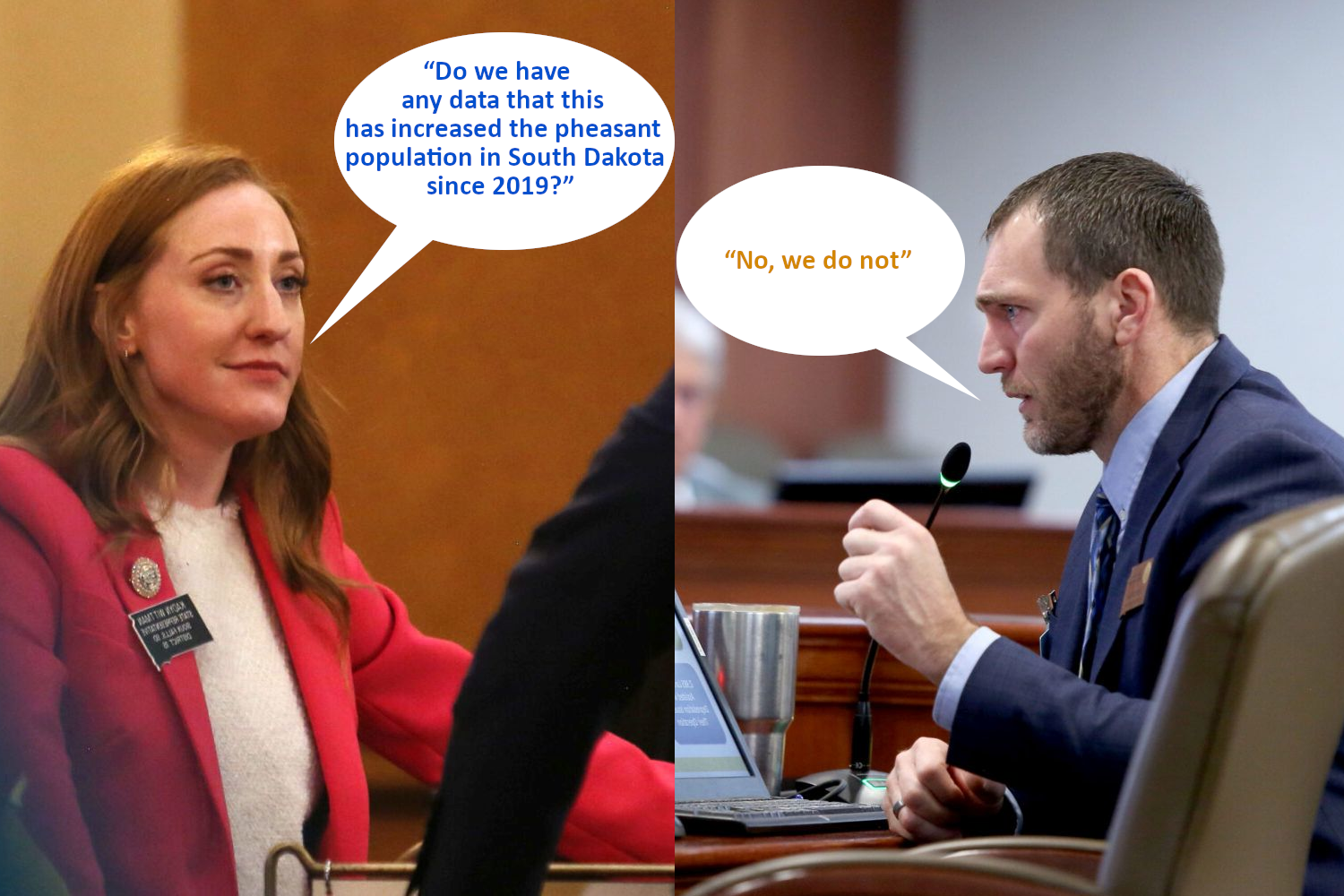
South Dakota Game, Fish and Parks Secretary Kevin Robling answering to Representative Kadyn Wittman, D-Sioux Falls, Jan. 16, 2024, the State House Committee on Agriculture and Natural Resources.
The program is implemented in the most cruel way possible. The statewide massacre of indigenous animals starts every year on March 1st and lasts until July 1st — at the peak of gestation/birth/nursing season. Blind and helpless, kits/pups/joeys are completely dependent on their mother's care for the first 3–4 months, have no chance to survive and are condemned to a long and painful death from dehydration, hunger and cold, if their mother is killed. The GFP commission is aware of this and deliberately encourages it (NPBP FAQs, question 25).
Referring to traditions for NPBP justification sounds insane to say the least. We live not in 'Second Century'. We live in 3rd Millennium. Many barbarian traditions have sunk into oblivion and look absurd now. We don't cut down thousand-year-old redwoods for timber and do not shoot buffalo from trains for fun (“hunting by rail” excursions) anymore. Dog- and cock-fighting became illegal. We no longer crucify on stakes, burn witches on fire, or have gladiator fights, and it doesn’t occur to anyone now to maintain these archaic traditions, although they had existed for ages. We have no shortage of food or warm clothes. Animals killed under the NPBP are not utilized for fur or meat production — trappers simply bury animal carcasses after cutting off tails for $10. Killing animals for fun with the sole purpose of killing animals, because politicians mistakenly believe it enhances their pheasant shooting pleasure aligns disturbingly with aforementioned atrocious traditions. Such practices take us back to the mores of a crude and unrefined medieval era, reminiscent of a wild-west mentality. Just like “hunting by rail” excursions, thе NPBP should become a thing of the past as an unprecedented example of shortsightedness and cruel incompetence of South Dakota leadership.
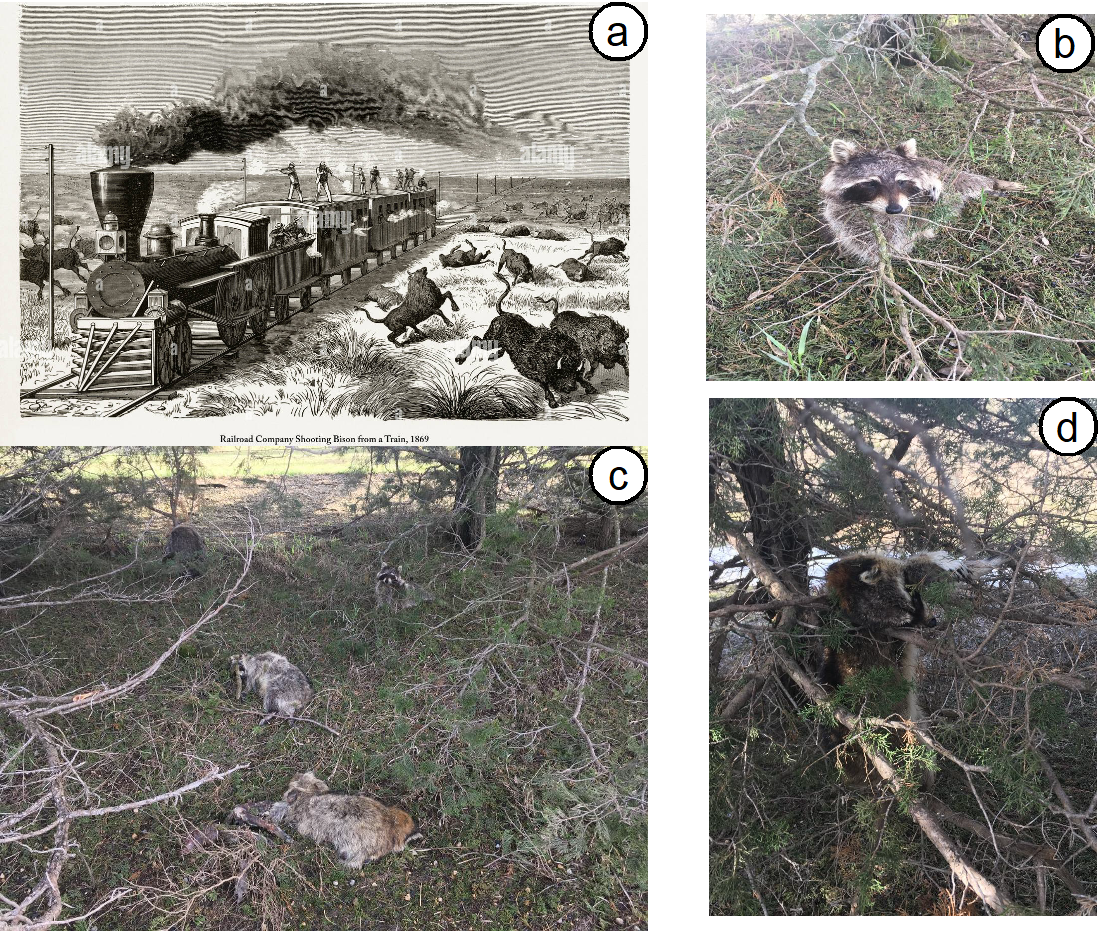
(a) The slaughter of the bison in 19th-Century America.
(b,c,d) Nest Predator Bounty Program in 21st-Century South Dakota (Photographs by William A. Schultze).
Сoncepts are substituted in the public program description, cheating residents. NPBP has nothing to do with nature conservation. NPBP is about instilling cruelty in South Dakotans and about senseless killing for the sake of killing, just for fun, of wild animals who are simply trying to live their lives on their own land.
The social survey in support of NPBP fails to inspire confidence — it appears biased, prejudiced, inappropriate and containing errors. Rather than being a legitimate study designed to measure genuine public opinion, it seems to be a blatant manipulation, pseudoscience intended to achieve a preconceived outcome. Only 23% of residents indicated knowing at least a moderate amount about NPBP – the vast majority of judgments were based on what was explained by a pollster. Manipulative questionnaires were developed cooperatively by the commercial firm Responsive Management and GFP, funded by trappers and hunters. Independent experts, who could have provided another point of view and advocate indigenous animals were not involved. Alternatives to the NPBP were not put to a vote and were not mentioned at all, so respondents essentially 'chose' from one option, wrapped in manipulative questions. Issues in the Responsive Managements' social survey, including manipulativeness, inappropriateness, prejudice, bias and math error are described in the detailed analysis. Finally, deciding to commit, or do not, a statewide genocide of indigenous animals in favor of non-native species at a cost of millions of dollars without scientific evidence of effectiveness cannot rely on commercial surveys of financially motivated trappers and randomly selected residents. This decision is a job for independent professionals.
Lack of support from residents and professionals. In 2019 Remington Research Group conducted a social survey of South Dakota residents regarding the NPBP and showed, that minority of South Dakota residents (37%) approve of trapping in general and only 26% of residents approved the NPBP. In 2019 GFP received >300 public comments; in 2020 GFP received >400 of public comments about NPBP, ≈90% of which were oppose in both years. Today, most Americans, including hunters, wildlife biologists, managers and officials across the country understand the intrinsic value of healthy ecosystems that include predators, and all agree that bounty programs 'devalue the predator', are 'prone to corruption', 'expensive', 'counterproductive' and 'totally ineffective' (2). Recently, the raccoon bounty bill failed in neighboring Iowa due to its cruelty (3).
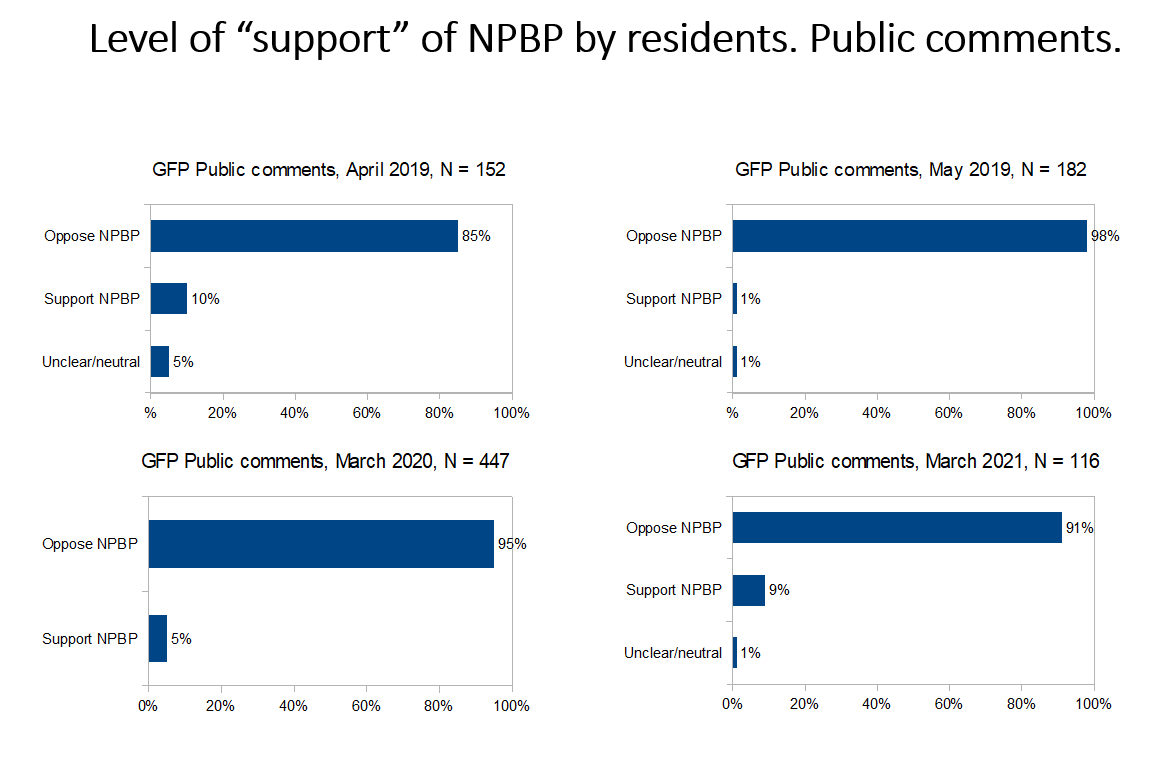
Source: public comments on the GFP web site.
2019.04: https://gfp.sd.gov/UserDocs/nav/Commission_Minutes_4.2019_with_Comments_.pdf
2019.05: https://gfp.sd.gov/userdocs/meetings/PublicCommissionComments_-_Revised.pdf
2020.03: https://gfp.sd.gov/userdocs/meetings/Public_Comments_1.pdf https://gfp.sd.gov/userdocs/meetings/Public_Comments_2.pdf https://gfp.sd.gov/userdocs/meetings/Public_Comments_3.pdf
2021.03: https://gfp.sd.gov/userdocs/meetings/publiccommissioncomments1_-3-.pdf https://gfp.sd.gov/userdocs/meetings/publiccommissioncomments2_-2-.pdf
There is a link between animal cruelty and human violence. 290,841 indigenous animals have been killed since 2019 in the frame of NPBP (4). Assuming that half of them were female, and the average litter is 4 kits/pups, >580,000 cubs were doomed to die. A growing body of scientific research (5,6,7,8,9,10,11,12) indicates a strong correlation (co-called 'Link') between cruelty to animals and subsequent cruelty to humans, suggesting that acts of animal abuse is an indicator of future violent behavior towards people. Nowadays, we are seeing an increase in cruelty around the world (multiple conflicts, including armed clashes), and NPBP contributes to the cruelty among people. NPBP promotes human-directed cruelty among South Dakotans. Terminating NPBP will contribute to reducing the amount of violence in the world.
There is no scientific evidence that NPBP is increasing wild pheasant populations. Despite requests from the public, Game Fish & Park (GFP) of South Dakota ended the annual pheasant brood count in 2019 (14), the year when NPBP was adopted, to not discourage out-of-state hunters. Without consistent long-term time series of brood count data, as is done in neighboring states (15,16,17), GFP cannot provide any scientific evidence of NPBP effectiveness. Non-systematic visual assessments and personal feelings on pheasant abundance, that are not statistically confirmed, as well as indirect metrics, such as number of hunters, number of pheasants harvested or hunters' satisfaction cannot substitute consistent brood counting, because they can be easily manipulated, e.g., via aggressive advertisement — the more hunters, the more pheasants harvested (18) and are not comparable with brood count data, consistently collected in previous years. A science paper, reviewing 12 bounty programs (19) concluded: “We recommend that policymakers suspend predator control efforts that lack evidence for functional effectiveness”. A science research aimed to evaluate the effectiveness of increasing duck and pheasant nest success in South Dakota with the aid of trapping, concluded: “there were no differences at the 95% level between control sites and treatment sites”(20). GFP secretary K. Robling, testifying to the state House Committee on Agriculture and Natural Resources on Jan. 16, 2024, confirmed that there is no data to show that a predator trapping program has increased the state’s pheasant population (21).
Pheasants are not native to North America; the animals being massacred are indigenous. Ring-necked pheasants were introduced from Asia at the end of 19th century. While the generally accepted practice is the protecting native species from introduced ones, NPBP aims to do the opposite — to exterminate indigenous animals (22,23) in favor of introduced species, which is a ridiculous wildlife management practice in South Dakota.
Moral and ethical issues. The NPBP encourages the participation of youth under 18 years of age. Who will grow up from a child who was taught from childhood to kill cubs and pregnant/nursing females for fun during the peak of gestation/birth/nursing season? Involving children in a statewide massacre of indigenous animals is a topic to discuss with child psychologists and ethicists.
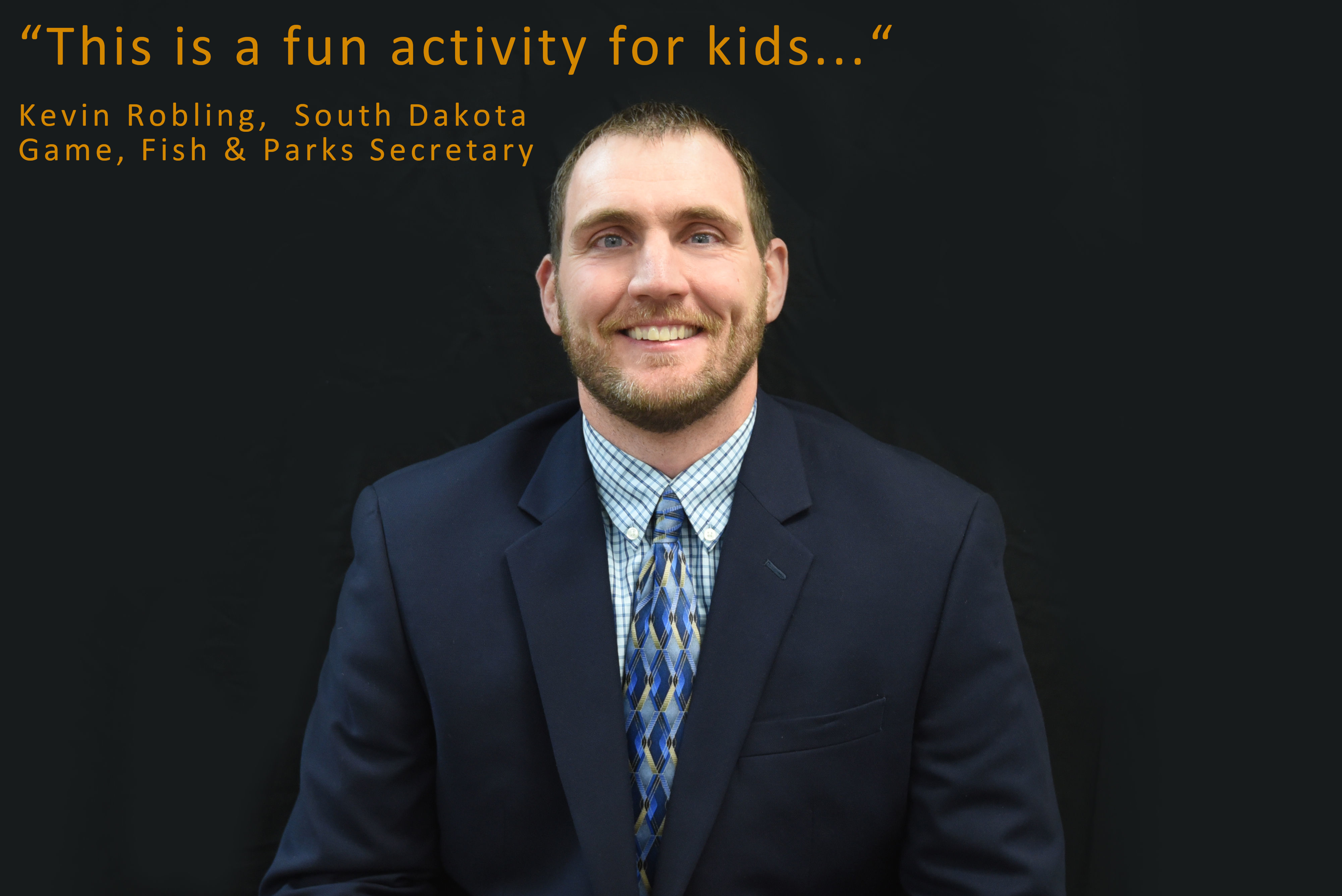
"This is a fun activity for kids..." - South Dakota Game, Fish and Parks Secretary Kevin Robling says, Jan. 16, 2024, State House Committee on Agriculture and Natural Resources.
Conflict of interest. Despite of i) strong opposition from professionals, ii) negative attitude in the media iii) hundreds of public comments, ≈90% against NPBP in March 2020, iv) numerous proofs of bounty ineffectiveness in scientific research, v) dozens of examples how bounty programs failed in other states, and vi) no evidence that NPBP is working to increase the pheasant population statewide..., GFP continues implementing NPBP in South Dakota. Why? GFP committee members are not elected positions, but are appointed by the governor and therefore do not consider themselves accountable to the public but rather to the governor who appoints them. Renowned pheasant hunter K. Noem would personally benefit from increased pheasant numbers and increased hunting enjoyment, if the NPBP were effective. Not only is the NPBP ineffective, allocating millions of dollars from the public funds to support a personal hobby and against the public's interest exhibits signs of the abuse of entrusted power for private gain, i.e., corruption.
Wrong target. Nest predators eat eggs, just like we eat meat, cats prey on mice, and birds catch insects, because this is the natural predator-prey interaction that has developed over eons of evolution. But predators don’t eat habitats. Habitat loss is far and away the biggest reason why pheasant populations decline. Confined to small parcels of habitat, birds and their nests become easy prey for predators. Less-expensive methods to improve game bird populations have focused on increasing area and diversity of habitats, including tall grass communities and forest patches as winter shelters that increase winter survival and nesting success by reducing the effectiveness of predators by up to 80 percent (24,25) rather than exterminating the latter. The money allocated to the NPBP for just one year would be enough to restore the prairie ecosystem over an area equivalent to 200 football fields. In contrast to bounty programs, native plant communities are sustainable and do not require further investments. Funding habitat restoration projects with savings from the NPBP would create additional jobs for local farmers involved in restoration projects.
Implementing habitat restoration projects is more difficult for officials than just throwing millions of dollars from the public funds to trappers. It requires hard job both in the office and in the field rather than killing everything that moves. It requires difficult decisions and better interactions with those who live on the land, entrusted temporally to the governor/GFP for management. But it is sustainable, fair, kind, reliable and, ultimately, it is cheaper, since it will not require recurring multi-million dollar investments.
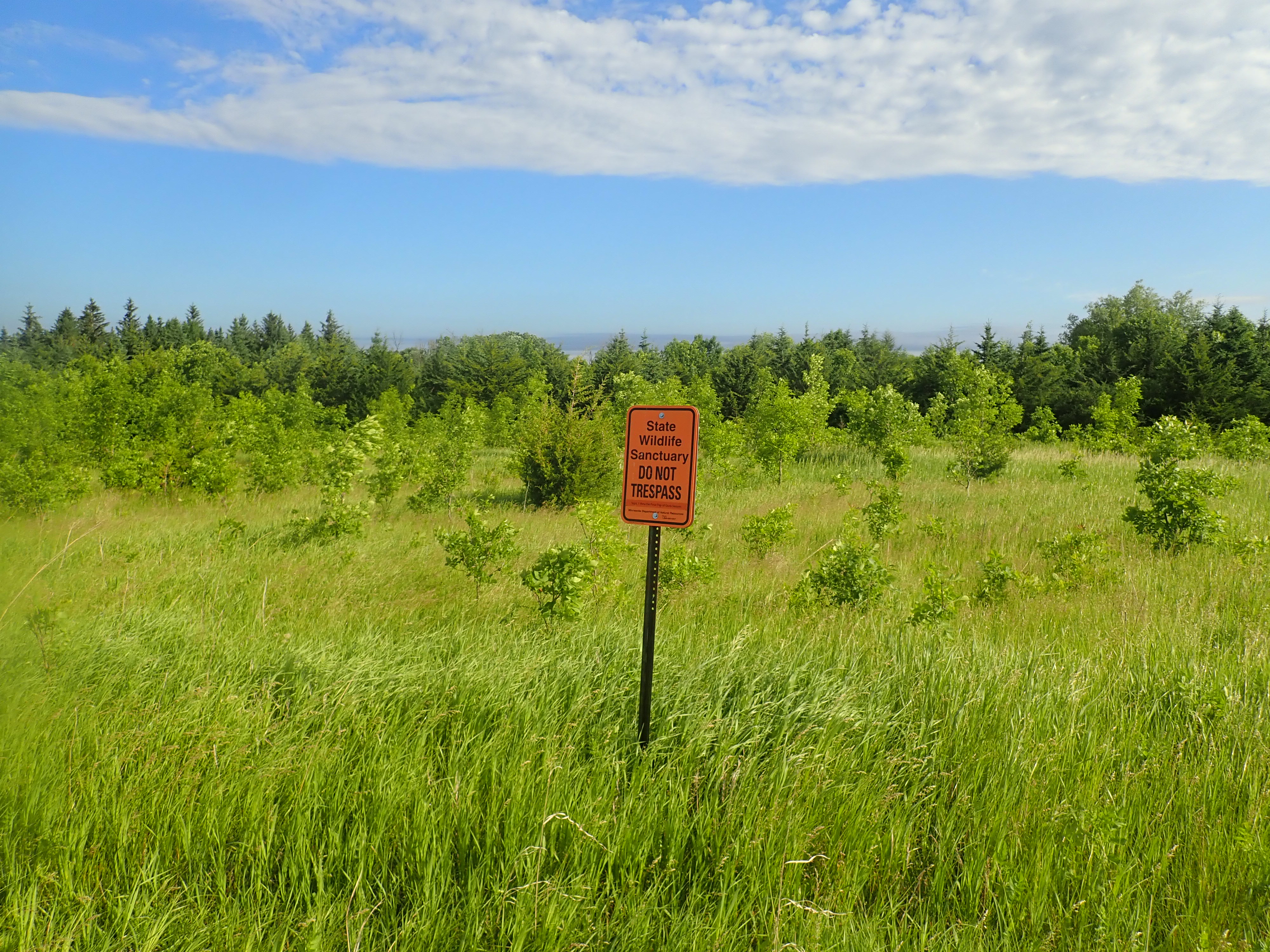
A resume in two words: what is going on? Mistakenly believing that the chaotic killing of native animals will slow down a consistent decline in the pheasant population caused by mounting habitat losses in South Dakota, GFP orders a commission job from a commercial firm — a secret social survey of financially motivated trappers and randomly selected residents on the barbaric NPBP program. Then, substituting concepts, having manipulated questions/numbers, without public hearings and without involving an independent expert community, despite strong opposition from experts, negative attitude in the media, hundreds of comments (>90% against NPBP), GFP adopts an archaic, cruel and senseless bounty program statewide and allocates millions of dollars from public funds to teach children to kill cubs and pregnant/nursing females for fun and to carry out statewide genocide of 5 indigenous species that have inhabited these lands since the middle of the Pliocene, without any scientific basis, evidence of effectiveness and support from professionals.
It appears that the system of checks and balances is broken in South Dakota.
We hereby call upon the Governor of South Dakota, Larry Rhoden and the Game Fish & Park department:
0) Terminate the Nest Predator Bounty Program.
1) Focus efforts on habitat restoration projects.
Reasons for signing
See why other supporters are signing, why this petition is important to them, and share your reason for signing (this will mean a lot to the starter of the petition).

1,651
The Issue
Beyond absolute evil.
Unprecedented in its cruelty and senselessness program funded by the state government, called 'Nest Predator Bounty Program' (1), hereinafter NPBP, to exterminate native predators has been operating in South Dakota since 2019. The effort to boost pheasant and duck populations by paying trappers to kill animals that eat the eggs and hatchlings was first implemented by governor Kristi Noem in the frame of the 'Second Century Initiative'. The effort has led to the senseless killing of 342,757 indigenous animals (raccoons, striped skunks, badgers, opossums, and red fox, according to NPBP Tail tracker) in the past seven years with no scientific evidence that it is working to increase the state pheasant population.
South Dakota Game, Fish and Parks Secretary Kevin Robling answering to Representative Kadyn Wittman, D-Sioux Falls, Jan. 16, 2024, the State House Committee on Agriculture and Natural Resources.
The program is implemented in the most cruel way possible. The statewide massacre of indigenous animals starts every year on March 1st and lasts until July 1st — at the peak of gestation/birth/nursing season. Blind and helpless, kits/pups/joeys are completely dependent on their mother's care for the first 3–4 months, have no chance to survive and are condemned to a long and painful death from dehydration, hunger and cold, if their mother is killed. The GFP commission is aware of this and deliberately encourages it (NPBP FAQs, question 25).
Referring to traditions for NPBP justification sounds insane to say the least. We live not in 'Second Century'. We live in 3rd Millennium. Many barbarian traditions have sunk into oblivion and look absurd now. We don't cut down thousand-year-old redwoods for timber and do not shoot buffalo from trains for fun (“hunting by rail” excursions) anymore. Dog- and cock-fighting became illegal. We no longer crucify on stakes, burn witches on fire, or have gladiator fights, and it doesn’t occur to anyone now to maintain these archaic traditions, although they had existed for ages. We have no shortage of food or warm clothes. Animals killed under the NPBP are not utilized for fur or meat production — trappers simply bury animal carcasses after cutting off tails for $10. Killing animals for fun with the sole purpose of killing animals, because politicians mistakenly believe it enhances their pheasant shooting pleasure aligns disturbingly with aforementioned atrocious traditions. Such practices take us back to the mores of a crude and unrefined medieval era, reminiscent of a wild-west mentality. Just like “hunting by rail” excursions, thе NPBP should become a thing of the past as an unprecedented example of shortsightedness and cruel incompetence of South Dakota leadership.
(a) The slaughter of the bison in 19th-Century America.
(b,c,d) Nest Predator Bounty Program in 21st-Century South Dakota (Photographs by William A. Schultze).
Сoncepts are substituted in the public program description, cheating residents. NPBP has nothing to do with nature conservation. NPBP is about instilling cruelty in South Dakotans and about senseless killing for the sake of killing, just for fun, of wild animals who are simply trying to live their lives on their own land.
The social survey in support of NPBP fails to inspire confidence — it appears biased, prejudiced, inappropriate and containing errors. Rather than being a legitimate study designed to measure genuine public opinion, it seems to be a blatant manipulation, pseudoscience intended to achieve a preconceived outcome. Only 23% of residents indicated knowing at least a moderate amount about NPBP – the vast majority of judgments were based on what was explained by a pollster. Manipulative questionnaires were developed cooperatively by the commercial firm Responsive Management and GFP, funded by trappers and hunters. Independent experts, who could have provided another point of view and advocate indigenous animals were not involved. Alternatives to the NPBP were not put to a vote and were not mentioned at all, so respondents essentially 'chose' from one option, wrapped in manipulative questions. Issues in the Responsive Managements' social survey, including manipulativeness, inappropriateness, prejudice, bias and math error are described in the detailed analysis. Finally, deciding to commit, or do not, a statewide genocide of indigenous animals in favor of non-native species at a cost of millions of dollars without scientific evidence of effectiveness cannot rely on commercial surveys of financially motivated trappers and randomly selected residents. This decision is a job for independent professionals.
Lack of support from residents and professionals. In 2019 Remington Research Group conducted a social survey of South Dakota residents regarding the NPBP and showed, that minority of South Dakota residents (37%) approve of trapping in general and only 26% of residents approved the NPBP. In 2019 GFP received >300 public comments; in 2020 GFP received >400 of public comments about NPBP, ≈90% of which were oppose in both years. Today, most Americans, including hunters, wildlife biologists, managers and officials across the country understand the intrinsic value of healthy ecosystems that include predators, and all agree that bounty programs 'devalue the predator', are 'prone to corruption', 'expensive', 'counterproductive' and 'totally ineffective' (2). Recently, the raccoon bounty bill failed in neighboring Iowa due to its cruelty (3).
Source: public comments on the GFP web site.
2019.04: https://gfp.sd.gov/UserDocs/nav/Commission_Minutes_4.2019_with_Comments_.pdf
2019.05: https://gfp.sd.gov/userdocs/meetings/PublicCommissionComments_-_Revised.pdf
2020.03: https://gfp.sd.gov/userdocs/meetings/Public_Comments_1.pdf https://gfp.sd.gov/userdocs/meetings/Public_Comments_2.pdf https://gfp.sd.gov/userdocs/meetings/Public_Comments_3.pdf
2021.03: https://gfp.sd.gov/userdocs/meetings/publiccommissioncomments1_-3-.pdf https://gfp.sd.gov/userdocs/meetings/publiccommissioncomments2_-2-.pdf
There is a link between animal cruelty and human violence. 290,841 indigenous animals have been killed since 2019 in the frame of NPBP (4). Assuming that half of them were female, and the average litter is 4 kits/pups, >580,000 cubs were doomed to die. A growing body of scientific research (5,6,7,8,9,10,11,12) indicates a strong correlation (co-called 'Link') between cruelty to animals and subsequent cruelty to humans, suggesting that acts of animal abuse is an indicator of future violent behavior towards people. Nowadays, we are seeing an increase in cruelty around the world (multiple conflicts, including armed clashes), and NPBP contributes to the cruelty among people. NPBP promotes human-directed cruelty among South Dakotans. Terminating NPBP will contribute to reducing the amount of violence in the world.
There is no scientific evidence that NPBP is increasing wild pheasant populations. Despite requests from the public, Game Fish & Park (GFP) of South Dakota ended the annual pheasant brood count in 2019 (14), the year when NPBP was adopted, to not discourage out-of-state hunters. Without consistent long-term time series of brood count data, as is done in neighboring states (15,16,17), GFP cannot provide any scientific evidence of NPBP effectiveness. Non-systematic visual assessments and personal feelings on pheasant abundance, that are not statistically confirmed, as well as indirect metrics, such as number of hunters, number of pheasants harvested or hunters' satisfaction cannot substitute consistent brood counting, because they can be easily manipulated, e.g., via aggressive advertisement — the more hunters, the more pheasants harvested (18) and are not comparable with brood count data, consistently collected in previous years. A science paper, reviewing 12 bounty programs (19) concluded: “We recommend that policymakers suspend predator control efforts that lack evidence for functional effectiveness”. A science research aimed to evaluate the effectiveness of increasing duck and pheasant nest success in South Dakota with the aid of trapping, concluded: “there were no differences at the 95% level between control sites and treatment sites”(20). GFP secretary K. Robling, testifying to the state House Committee on Agriculture and Natural Resources on Jan. 16, 2024, confirmed that there is no data to show that a predator trapping program has increased the state’s pheasant population (21).
Pheasants are not native to North America; the animals being massacred are indigenous. Ring-necked pheasants were introduced from Asia at the end of 19th century. While the generally accepted practice is the protecting native species from introduced ones, NPBP aims to do the opposite — to exterminate indigenous animals (22,23) in favor of introduced species, which is a ridiculous wildlife management practice in South Dakota.
Moral and ethical issues. The NPBP encourages the participation of youth under 18 years of age. Who will grow up from a child who was taught from childhood to kill cubs and pregnant/nursing females for fun during the peak of gestation/birth/nursing season? Involving children in a statewide massacre of indigenous animals is a topic to discuss with child psychologists and ethicists.
"This is a fun activity for kids..." - South Dakota Game, Fish and Parks Secretary Kevin Robling says, Jan. 16, 2024, State House Committee on Agriculture and Natural Resources.
Conflict of interest. Despite of i) strong opposition from professionals, ii) negative attitude in the media iii) hundreds of public comments, ≈90% against NPBP in March 2020, iv) numerous proofs of bounty ineffectiveness in scientific research, v) dozens of examples how bounty programs failed in other states, and vi) no evidence that NPBP is working to increase the pheasant population statewide..., GFP continues implementing NPBP in South Dakota. Why? GFP committee members are not elected positions, but are appointed by the governor and therefore do not consider themselves accountable to the public but rather to the governor who appoints them. Renowned pheasant hunter K. Noem would personally benefit from increased pheasant numbers and increased hunting enjoyment, if the NPBP were effective. Not only is the NPBP ineffective, allocating millions of dollars from the public funds to support a personal hobby and against the public's interest exhibits signs of the abuse of entrusted power for private gain, i.e., corruption.
Wrong target. Nest predators eat eggs, just like we eat meat, cats prey on mice, and birds catch insects, because this is the natural predator-prey interaction that has developed over eons of evolution. But predators don’t eat habitats. Habitat loss is far and away the biggest reason why pheasant populations decline. Confined to small parcels of habitat, birds and their nests become easy prey for predators. Less-expensive methods to improve game bird populations have focused on increasing area and diversity of habitats, including tall grass communities and forest patches as winter shelters that increase winter survival and nesting success by reducing the effectiveness of predators by up to 80 percent (24,25) rather than exterminating the latter. The money allocated to the NPBP for just one year would be enough to restore the prairie ecosystem over an area equivalent to 200 football fields. In contrast to bounty programs, native plant communities are sustainable and do not require further investments. Funding habitat restoration projects with savings from the NPBP would create additional jobs for local farmers involved in restoration projects.
Implementing habitat restoration projects is more difficult for officials than just throwing millions of dollars from the public funds to trappers. It requires hard job both in the office and in the field rather than killing everything that moves. It requires difficult decisions and better interactions with those who live on the land, entrusted temporally to the governor/GFP for management. But it is sustainable, fair, kind, reliable and, ultimately, it is cheaper, since it will not require recurring multi-million dollar investments.
A resume in two words: what is going on? Mistakenly believing that the chaotic killing of native animals will slow down a consistent decline in the pheasant population caused by mounting habitat losses in South Dakota, GFP orders a commission job from a commercial firm — a secret social survey of financially motivated trappers and randomly selected residents on the barbaric NPBP program. Then, substituting concepts, having manipulated questions/numbers, without public hearings and without involving an independent expert community, despite strong opposition from experts, negative attitude in the media, hundreds of comments (>90% against NPBP), GFP adopts an archaic, cruel and senseless bounty program statewide and allocates millions of dollars from public funds to teach children to kill cubs and pregnant/nursing females for fun and to carry out statewide genocide of 5 indigenous species that have inhabited these lands since the middle of the Pliocene, without any scientific basis, evidence of effectiveness and support from professionals.
It appears that the system of checks and balances is broken in South Dakota.
We hereby call upon the Governor of South Dakota, Larry Rhoden and the Game Fish & Park department:
0) Terminate the Nest Predator Bounty Program.
1) Focus efforts on habitat restoration projects.
Reasons for signing
See why other supporters are signing, why this petition is important to them, and share your reason for signing (this will mean a lot to the starter of the petition).
The Decision Makers

Supporter Voices
Petition Updates
Share this petition
Petition created on May 29, 2024