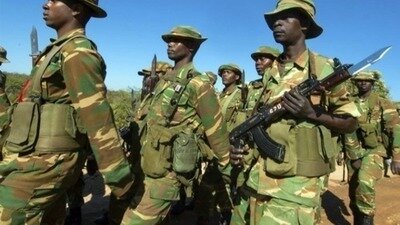

The Camo clothes ban needs to be removed in zambia
The Issue
The prohibition of civilian use of camouflage clothing in Zambia has long been a topic of debate. While the law was originally introduced with intentions tied to national security and the protection of military identity, its continued enforcement raises serious questions about fairness, practicality, and individual freedom. In a modern, evolving society, policies must be reassessed to ensure they remain relevant and just. The Zambian camouflage ban, though rooted in historical reasoning, can be considered unfair for several reasons: it restricts personal expression, disproportionately affects ordinary citizens, is inconsistently enforced, and no longer aligns with current security realities.
To begin with, one of the most compelling arguments against the camouflage ban is that it limits personal freedom and self-expression. Clothing is not merely functional—it is also a form of identity and creativity. Around the world, camouflage patterns have become a mainstream fashion trend, worn by people of all ages for aesthetic rather than military purposes. In Zambia, however, citizens risk legal consequences simply for wearing such designs. This creates an unnecessary restriction on what individuals can wear, even when their intentions are entirely harmless. A modern democratic society should prioritize personal liberties unless there is a clear and significant threat posed by those freedoms. In this case, wearing camouflage does not inherently endanger public safety.
Furthermore, the ban disproportionately affects ordinary citizens rather than addressing actual security threats. Most people who wear camouflage clothing do so casually—students, workers, or young people following fashion trends. These individuals are not attempting to impersonate soldiers or undermine national security. Yet they are the ones most likely to be stopped, fined, or even arrested. Meanwhile, those who might genuinely pose a threat to security would not rely on publicly visible camouflage clothing to carry out harmful actions. This imbalance highlights a fundamental unfairness: the law penalizes harmless behavior while doing little to address real risks.
Another issue is the inconsistency in enforcement. Reports and anecdotal evidence suggest that the law is not applied uniformly. Some individuals are punished for wearing camouflage, while others may go unnoticed or are let off with warnings. This inconsistency can lead to perceptions of bias, favoritism, or even corruption. When a law is not enforced equally, it undermines trust in legal institutions and creates confusion among the public. Citizens may feel uncertain about what is allowed and what is not, leading to unnecessary tension between the public and law enforcement agencies.
Additionally, the original justification for the ban—protecting the identity and authority of the military—has become less convincing over time. In earlier decades, it may have been more important to clearly distinguish soldiers from civilians, especially in contexts of political instability or conflict. However, in today’s Zambia, the likelihood of civilians being mistaken for military personnel simply because they are wearing camouflage is extremely low. Modern military uniforms are more than just patterns; they include badges, insignia, and other identifiers that make them distinct. As such, banning camouflage clothing entirely appears to be an outdated solution to a problem that no longer exists in the same form.
The economic impact of the ban is another factor worth considering. Many small businesses and market traders rely on selling second-hand clothing, commonly known as “salaula.” Camouflage items are often part of these imports, and banning them reduces the variety of goods that traders can offer. This can negatively affect livelihoods, especially for those already operating on thin profit margins. Instead of supporting local entrepreneurship, the ban creates additional barriers. In a country where informal trade plays a significant role in the economy, policies that unnecessarily restrict business opportunities should be carefully reconsidered.
Moreover, the ban may contribute to unnecessary criminalization. When people are penalized for something as minor as wearing a particular pattern, it can lead to avoidable confrontations with law enforcement. This not only wastes police resources but also places individuals at risk of acquiring criminal records for non-harmful actions. Such outcomes can have long-term consequences, particularly for young people whose future opportunities might be affected. Laws should focus on preventing serious harm, not punishing trivial behavior.
From a comparative perspective, Zambia’s strict stance on camouflage clothing is relatively unusual. In many other countries, civilians are free to wear camouflage without any legal repercussions. These nations maintain strong security systems without needing to restrict clothing choices. This suggests that it is possible to balance national security with individual freedoms. Zambia could learn from such examples by adopting a more flexible approach that addresses genuine risks without imposing blanket bans.
It is also important to consider the cultural and generational aspects of the issue. Younger generations are increasingly influenced by global fashion trends, music, and media. Camouflage clothing often appears in these contexts, making it popular among youth. By criminalizing such trends, the law risks alienating young people and creating a disconnect between them and authority figures. Instead of fostering understanding and cooperation, the ban may contribute to resentment and a sense of being unfairly targeted.
That said, it is important to acknowledge the intentions behind the ban. Governments have a responsibility to ensure national security and maintain order. The desire to prevent impersonation of military personnel or misuse of military symbols is valid. However, the approach taken must be proportionate and effective. A complete ban on camouflage clothing is a broad measure that affects many innocent people while offering limited benefits. A more balanced solution might involve restricting specific items that closely resemble official uniforms, rather than banning all camouflage patterns.
In conclusion, the Zambian camouflage ban can be seen as unfair due to its impact on personal freedom, its disproportionate targeting of ordinary citizens, its inconsistent enforcement, and its lack of relevance in modern security contexts. While the intentions behind the law may have been justified in the past, it no longer serves its purpose effectively. Instead, it creates unnecessary restrictions, economic challenges, and social tensions. As Zambia continues to develop and adapt to a changing world, it is important for its laws to evolve as well. Revisiting and potentially reforming the camouflage ban would be a step toward a more fair, practical, and balanced legal system—one that respects both national security and the rights of its citizens
And in total summery
1.It is overly broad
The law bans all camouflage clothing, even items that do not resemble official military uniforms.
2.it does not distinguish intent
It treats ordinary citizens the same as individuals who may attempt impersonation, regardless of their purpose.
3.It fails to target real security threats
Those with harmful intentions are unlikely to rely on basic fashion items to deceive authorities.
4.It unnecessarily restricts freedom of expression
Clothing is a form of personal identity, and banning a common pattern limits harmless self-expression.
5.It creates inconsistent enforcement
Broad laws are harder to apply fairly, leading to uneven treatment of citizens.
6.it can damage public trust in the law
When people see harmless behavior being punished, they may begin to question the fairness of the legal system.
7.it negatively affects small businesses
Traders who sell second-hand clothing may lose income when certain items are banned.
8.it criminalizes non-harmful behavior
Citizens risk penalties for actions that pose no real danger to society.
9.It is outdated in modern contexts
Military uniforms today include clear identifiers beyond camouflage patterns, reducing the risk of confusion.
And that's my point
On the whole ban pls Sign ti stop these goverments from making laws that refuse us to express our selves

2
The Issue
The prohibition of civilian use of camouflage clothing in Zambia has long been a topic of debate. While the law was originally introduced with intentions tied to national security and the protection of military identity, its continued enforcement raises serious questions about fairness, practicality, and individual freedom. In a modern, evolving society, policies must be reassessed to ensure they remain relevant and just. The Zambian camouflage ban, though rooted in historical reasoning, can be considered unfair for several reasons: it restricts personal expression, disproportionately affects ordinary citizens, is inconsistently enforced, and no longer aligns with current security realities.
To begin with, one of the most compelling arguments against the camouflage ban is that it limits personal freedom and self-expression. Clothing is not merely functional—it is also a form of identity and creativity. Around the world, camouflage patterns have become a mainstream fashion trend, worn by people of all ages for aesthetic rather than military purposes. In Zambia, however, citizens risk legal consequences simply for wearing such designs. This creates an unnecessary restriction on what individuals can wear, even when their intentions are entirely harmless. A modern democratic society should prioritize personal liberties unless there is a clear and significant threat posed by those freedoms. In this case, wearing camouflage does not inherently endanger public safety.
Furthermore, the ban disproportionately affects ordinary citizens rather than addressing actual security threats. Most people who wear camouflage clothing do so casually—students, workers, or young people following fashion trends. These individuals are not attempting to impersonate soldiers or undermine national security. Yet they are the ones most likely to be stopped, fined, or even arrested. Meanwhile, those who might genuinely pose a threat to security would not rely on publicly visible camouflage clothing to carry out harmful actions. This imbalance highlights a fundamental unfairness: the law penalizes harmless behavior while doing little to address real risks.
Another issue is the inconsistency in enforcement. Reports and anecdotal evidence suggest that the law is not applied uniformly. Some individuals are punished for wearing camouflage, while others may go unnoticed or are let off with warnings. This inconsistency can lead to perceptions of bias, favoritism, or even corruption. When a law is not enforced equally, it undermines trust in legal institutions and creates confusion among the public. Citizens may feel uncertain about what is allowed and what is not, leading to unnecessary tension between the public and law enforcement agencies.
Additionally, the original justification for the ban—protecting the identity and authority of the military—has become less convincing over time. In earlier decades, it may have been more important to clearly distinguish soldiers from civilians, especially in contexts of political instability or conflict. However, in today’s Zambia, the likelihood of civilians being mistaken for military personnel simply because they are wearing camouflage is extremely low. Modern military uniforms are more than just patterns; they include badges, insignia, and other identifiers that make them distinct. As such, banning camouflage clothing entirely appears to be an outdated solution to a problem that no longer exists in the same form.
The economic impact of the ban is another factor worth considering. Many small businesses and market traders rely on selling second-hand clothing, commonly known as “salaula.” Camouflage items are often part of these imports, and banning them reduces the variety of goods that traders can offer. This can negatively affect livelihoods, especially for those already operating on thin profit margins. Instead of supporting local entrepreneurship, the ban creates additional barriers. In a country where informal trade plays a significant role in the economy, policies that unnecessarily restrict business opportunities should be carefully reconsidered.
Moreover, the ban may contribute to unnecessary criminalization. When people are penalized for something as minor as wearing a particular pattern, it can lead to avoidable confrontations with law enforcement. This not only wastes police resources but also places individuals at risk of acquiring criminal records for non-harmful actions. Such outcomes can have long-term consequences, particularly for young people whose future opportunities might be affected. Laws should focus on preventing serious harm, not punishing trivial behavior.
From a comparative perspective, Zambia’s strict stance on camouflage clothing is relatively unusual. In many other countries, civilians are free to wear camouflage without any legal repercussions. These nations maintain strong security systems without needing to restrict clothing choices. This suggests that it is possible to balance national security with individual freedoms. Zambia could learn from such examples by adopting a more flexible approach that addresses genuine risks without imposing blanket bans.
It is also important to consider the cultural and generational aspects of the issue. Younger generations are increasingly influenced by global fashion trends, music, and media. Camouflage clothing often appears in these contexts, making it popular among youth. By criminalizing such trends, the law risks alienating young people and creating a disconnect between them and authority figures. Instead of fostering understanding and cooperation, the ban may contribute to resentment and a sense of being unfairly targeted.
That said, it is important to acknowledge the intentions behind the ban. Governments have a responsibility to ensure national security and maintain order. The desire to prevent impersonation of military personnel or misuse of military symbols is valid. However, the approach taken must be proportionate and effective. A complete ban on camouflage clothing is a broad measure that affects many innocent people while offering limited benefits. A more balanced solution might involve restricting specific items that closely resemble official uniforms, rather than banning all camouflage patterns.
In conclusion, the Zambian camouflage ban can be seen as unfair due to its impact on personal freedom, its disproportionate targeting of ordinary citizens, its inconsistent enforcement, and its lack of relevance in modern security contexts. While the intentions behind the law may have been justified in the past, it no longer serves its purpose effectively. Instead, it creates unnecessary restrictions, economic challenges, and social tensions. As Zambia continues to develop and adapt to a changing world, it is important for its laws to evolve as well. Revisiting and potentially reforming the camouflage ban would be a step toward a more fair, practical, and balanced legal system—one that respects both national security and the rights of its citizens
And in total summery
1.It is overly broad
The law bans all camouflage clothing, even items that do not resemble official military uniforms.
2.it does not distinguish intent
It treats ordinary citizens the same as individuals who may attempt impersonation, regardless of their purpose.
3.It fails to target real security threats
Those with harmful intentions are unlikely to rely on basic fashion items to deceive authorities.
4.It unnecessarily restricts freedom of expression
Clothing is a form of personal identity, and banning a common pattern limits harmless self-expression.
5.It creates inconsistent enforcement
Broad laws are harder to apply fairly, leading to uneven treatment of citizens.
6.it can damage public trust in the law
When people see harmless behavior being punished, they may begin to question the fairness of the legal system.
7.it negatively affects small businesses
Traders who sell second-hand clothing may lose income when certain items are banned.
8.it criminalizes non-harmful behavior
Citizens risk penalties for actions that pose no real danger to society.
9.It is outdated in modern contexts
Military uniforms today include clear identifiers beyond camouflage patterns, reducing the risk of confusion.
And that's my point
On the whole ban pls Sign ti stop these goverments from making laws that refuse us to express our selves
Petition Updates
Share this petition
Petition created on 28 April 2026