
The Allowance of De-extinction Biotechnology.
The Issue
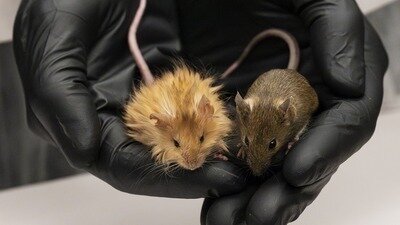
De-extinction is a recent field of biotechnology where an extinct species is "revived" which works via inserting key traits of the extinct species to a closely related one. There is a limit of what species can be brought back however as DNA degrades over time, making the bringing back of Jurassic Park unlikely, however, that does not lessen its potential. So far no species have been de-extinct though hybrids such as the dire wolf have been made. The image used for the heading additionally shows one of them, this being the Wooly Mouse, made as a step towards bringing back the Wooly Mammoth.
The Benefits of De-extinction
Outside of its use for conservation, this technology can aid with creating more diversity in the ecosystem while improving genetic modification technology so that current animals and plants can be modified to deal with obstacles faced in nature or improve agriculture. Not to mention it has its use of allowing research for extinct species that could not be garnered alone from their DNA.
The Cost of De-extinction
The cost should still be noted due to its recency and uncertainties that comes along with this, The de-extinct species can serve to be potential carrier of unknown diseases, and while there is chance they likely would not survive in the wild, as the ecosystem has changed and the fact of their extinction, the possibility of them becoming invasive still remains. There is also the fact of directly involving ourselves in mother nature instead of letting natural selection run its course. This technology can also divert funding away from other resources that could have higher usage of the funding as de-extinction is highly costly, with high failure and mortality to the animals, which also brings the issue of animal welfare.
What should be done?
While I normally support the advancement of technology in any field including genetics, after careful consideration, weighing the pros and the cons of this biotechnology, I find that the research into de-extinction should be halted. However, in the event it does not get halted, heavy regulation should be placed due to the high potential harm it can cause to the ecosystem and humans.
The federal agency overseeing this issue is the The USDA Animal and Plant Health Inspection Service as it regulated genetically engineered organisms, however, it is likely to additionally fall under the U.S. Endangered Species Act, by The US Fish and Wildlife Service, requiring the collaboration of the two.
With the current framework of the regulation, The petition calls for an extension to cover the legal and loopholes gaps under a new label classification to lock in specification if research does not get halted. This label will likely be under the research classification , as De-extincted Animals. Additionally these regulations should be highly strict to reduced accidental escape and the risk that can occur as a result.
The de-extinct species are to not be released into wildlife, kept into secured area for continued research and welfare as to prevent environmental and health risk.
The Endangered Species Act, if applied, has to be expanded so that the conservation of current ecosystem and species will be prioritized over the species brought back via de-extinction due to the risk of invasion, thus posing as a threat to the ecosystem upon its escape, and will no longer be protected by the act.
Thus to get attention to this issue, join us and sign this petition. For those more knowledgeable in the field or regulation, make your own or speak out to get more knowledgeable about this issue.
Sincerely,
Yok Tin
Learn more from these Research Papers
Azevedo, A., & Magalhães-Sant’Ana, M. (2025). Reviving the Dire Wolf? A Case Study in Welfare Ethics, Legal Gaps, and Ontological Ambiguity. Animals (2076-2615), 15(13), 1839. https://doi.org/10.3390/ani15131839
Cohen, S. (2014). The Ethics of De-Extinction. NanoEthics, 8(2), 165–178. https://doi.org/10.1007/s11569-014-0201-2
Sandler R. (2014). The ethics of reviving long extinct species. Conservation biology : the journal of the Society for Conservation Biology, 28(2), 354–360. https://doi.org/10.1111/cobi.12198

28
The Issue
De-extinction is a recent field of biotechnology where an extinct species is "revived" which works via inserting key traits of the extinct species to a closely related one. There is a limit of what species can be brought back however as DNA degrades over time, making the bringing back of Jurassic Park unlikely, however, that does not lessen its potential. So far no species have been de-extinct though hybrids such as the dire wolf have been made. The image used for the heading additionally shows one of them, this being the Wooly Mouse, made as a step towards bringing back the Wooly Mammoth.
The Benefits of De-extinction
Outside of its use for conservation, this technology can aid with creating more diversity in the ecosystem while improving genetic modification technology so that current animals and plants can be modified to deal with obstacles faced in nature or improve agriculture. Not to mention it has its use of allowing research for extinct species that could not be garnered alone from their DNA.
The Cost of De-extinction
The cost should still be noted due to its recency and uncertainties that comes along with this, The de-extinct species can serve to be potential carrier of unknown diseases, and while there is chance they likely would not survive in the wild, as the ecosystem has changed and the fact of their extinction, the possibility of them becoming invasive still remains. There is also the fact of directly involving ourselves in mother nature instead of letting natural selection run its course. This technology can also divert funding away from other resources that could have higher usage of the funding as de-extinction is highly costly, with high failure and mortality to the animals, which also brings the issue of animal welfare.
What should be done?
While I normally support the advancement of technology in any field including genetics, after careful consideration, weighing the pros and the cons of this biotechnology, I find that the research into de-extinction should be halted. However, in the event it does not get halted, heavy regulation should be placed due to the high potential harm it can cause to the ecosystem and humans.
The federal agency overseeing this issue is the The USDA Animal and Plant Health Inspection Service as it regulated genetically engineered organisms, however, it is likely to additionally fall under the U.S. Endangered Species Act, by The US Fish and Wildlife Service, requiring the collaboration of the two.
With the current framework of the regulation, The petition calls for an extension to cover the legal and loopholes gaps under a new label classification to lock in specification if research does not get halted. This label will likely be under the research classification , as De-extincted Animals. Additionally these regulations should be highly strict to reduced accidental escape and the risk that can occur as a result.
The de-extinct species are to not be released into wildlife, kept into secured area for continued research and welfare as to prevent environmental and health risk.
The Endangered Species Act, if applied, has to be expanded so that the conservation of current ecosystem and species will be prioritized over the species brought back via de-extinction due to the risk of invasion, thus posing as a threat to the ecosystem upon its escape, and will no longer be protected by the act.
Thus to get attention to this issue, join us and sign this petition. For those more knowledgeable in the field or regulation, make your own or speak out to get more knowledgeable about this issue.
Sincerely,
Yok Tin
Learn more from these Research Papers
Azevedo, A., & Magalhães-Sant’Ana, M. (2025). Reviving the Dire Wolf? A Case Study in Welfare Ethics, Legal Gaps, and Ontological Ambiguity. Animals (2076-2615), 15(13), 1839. https://doi.org/10.3390/ani15131839
Cohen, S. (2014). The Ethics of De-Extinction. NanoEthics, 8(2), 165–178. https://doi.org/10.1007/s11569-014-0201-2
Sandler R. (2014). The ethics of reviving long extinct species. Conservation biology : the journal of the Society for Conservation Biology, 28(2), 354–360. https://doi.org/10.1111/cobi.12198
The Decision Makers


Petition Updates
Share this petition
Petition created on May 5, 2026