

Take Immediate Action Against Drug Dealers in Port Hardy Community
The Issue
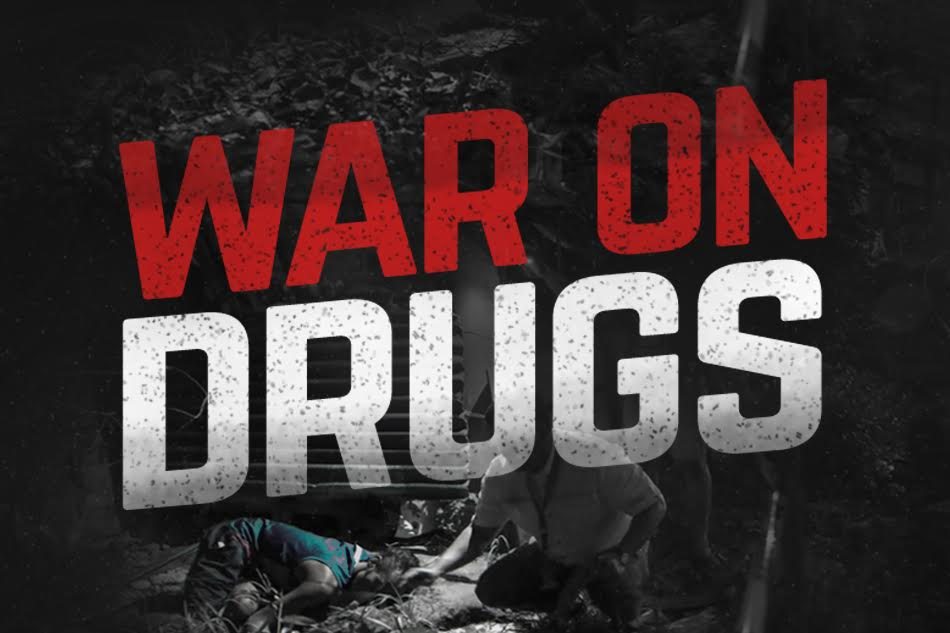
My name Brent Dempsey iam a resident of Port Hardy, BC, Canada and I am deeply disturbed by the escalating drug problem in our community. It's heartbreaking to see our friends and neighbors suffering, their lives torn apart by harmful substances. Too many lives have been lost already due to bad drugs, and it's time we stand up against those who are profiting from this misery.
Port Hardy has seen an alarming increase in drug-related incidents over recent years. According to the RCMP 2019 report on crime statistics, there was a significant rise in drug offenses compared to previous years (RCMP Annual Report). This not only affects those directly involved but also impacts the safety and well-being of all residents.
We must demand that local authorities take immediate action against these dealers who are destroying our community. We need stricter enforcement of existing laws, increased resources for law enforcement agencies dealing with drug-related crimes, and harsher penalties for convicted dealers.
Our plea is urgent. Every day that passes without decisive action means more people at risk - more families shattered - more lives lost to this devastating epidemic.
Please join me in calling on the Mayor of Port Hardy and local law enforcement agencies to prioritize tackling this issue head-on. Sign this petition today – let's reclaim our community from the grip of drugs together!
Petition for Action Against Drug Dealers in Our Community
We, the undersigned residents and concerned citizens of [Port Hardy BC], urgently call
upon the government to take immediate and decisive action to address the rampant
drug dealing and associated criminal activities that are plaguing our community.
For far too long, our neighborhoods have been infested with drug dealers who peddle
harmful substances, prey on vulnerable individuals, and perpetuate violence. Despite
numerous reports and complaints, the local authorities have failed to effectively combat
this menace, leaving us feeling unsafe and neglected in our own homes.
The presence of these drug dealers has led to a surge in drug-related deaths,
devastating families and tearing apart the fabric of our community. Every life lost to
overdose is a tragedy that could have been prevented with proactive intervention and
enforcement.
We refuse to tolerate this ongoing crisis any longer. It is time for decisive action to
reclaim our streets and protect our loved ones from the scourge of drug addiction and
violence.
Therefore, we demand the following:
1. Immediate Intervention: We urge the government to deploy additional law
enforcement resources to our area to crack down on drug trafficking and
apprehend those responsible for distributing illegal substances.
2. Enhanced Support Services: In conjunction with law enforcement efforts, we call
for increased funding for addiction treatment and rehabilitation programs to
provide support and assistance to those struggling with substance abuse.
3. Community Engagement: We request the establishment of community task
forces or advisory boards to facilitate ongoing dialogue between residents, law
enforcement agencies, and local government officials to develop and implement
effective strategies for combating drug-related crime.
4. Accountability: We expect transparency and accountability from our elected
representatives and law enforcement agencies in their efforts to address this
issue. Regular updates and progress reports should be provided to the
community to ensure that our concerns are being taken seriously and addressed
promptly.
5 .We believe that by coming together as a community and voicing our collective
outrage and determination, we can bring about the change needed to rid our streets of
drug dealers and create a safer, healthier environment for all residents.
6. Victim Support Services: We advocate for the establishment of comprehensive
victim support services to assist individuals and families affected by drug-related
crime. This includes providing counseling, legal assistance, and financial support
to help victims cope with the physical, emotional, and financial consequences of
drug-related incidents.
7. Youth Outreach and Prevention: We call for targeted outreach programs and
youth initiatives aimed at preventing youth involvement in drug-related activities.
By providing positive alternatives, mentorship opportunities, and educational
resources, we can steer young people away from the destructive cycle of drug
abuse and criminality.
8. Strengthened Legislation: We urge lawmakers to enact stricter laws and
regulations targeting drug dealers and organized crime syndicates. This includes
imposing tougher penalties for drug trafficking, enhancing asset forfeiture
measures, and closing legal loopholes that enable criminals to evade prosecution.
9. Interagency Collaboration: We emphasize the importance of collaboration
between local, state, and federal agencies in combating drug-related crime. By
pooling resources, sharing intelligence, and coordinating enforcement efforts, we
can disrupt criminal networks and dismantle drug trafficking operations more
effectively.
10. Public Health Approach: We advocate for a comprehensive public health
approach to addressing substance abuse issues, focusing on prevention, harm
reduction, and treatment. This includes expanding access to naloxone and
overdose prevention programs, implementing syringe exchange services, and
promoting evidence-based treatment modalities.
11. Community Empowerment: We believe in the power of community
mobilization and grassroots activism to effect positive change. By organizing
community clean-up events, neighborhood watch programs, and advocacy
campaigns, we can reclaim our streets from drug dealers and rebuild trust and
solidarity within our community.
12. Long-Term Solutions: We recognize that addressing drug-related crime requires
a multifaceted approach that goes beyond law enforcement measures. We call
for investments in affordable housing, economic development, education, and
social services to address the underlying social and economic factors that
contribute to drug abuse and criminal behavior.
13. Public Safety Measures: We urge the implementation of additional public safety
measures, such as increased street lighting, surveillance cameras, and police
patrols in high-risk areas known for drug-related activity. These measures can
help deter criminal behavior, improve community safety, and provide residents
with peace of mind.
14. Victim Advocacy and Rights: We call for the establishment of a dedicated
victim advocacy office or hotline to provide support, information, and resources
to individuals impacted by drug-related crime. Victims have the right to be heard,
respected, and supported throughout the criminal justice process, and their
voices should be prioritized in efforts to address drug-related issues.
15. Community Policing Initiatives: We advocate for the adoption of community
policing strategies that emphasize collaboration, trust-building, and problemsolving between law enforcement agencies and local residents. By fostering
positive relationships and open communication, we can enhance public safety
and promote mutual respect and understanding between law enforcement and
the community.
16. Crisis Intervention Services: We emphasize the need for expanded access to
crisis intervention services for individuals experiencing mental health crises or
substance abuse emergencies. Mobile crisis teams, crisis hotlines, and crisis
stabilization centers can provide timely intervention and support to individuals in
crisis, reducing the risk of harm to themselves and others.
17. Social Support Networks: We encourage the development of social support
networks and peer-led initiatives to provide ongoing assistance and
encouragement to individuals recovering from substance abuse disorders. Peer
support groups, recovery communities, and sober living facilities play a vital role
in promoting long-term sobriety and resilience among individuals affected by
addiction.
18. Trauma-Informed Care: We advocate for the integration of trauma-informed
care principles into all aspects of service delivery, including law enforcement,
healthcare, and social services. Recognizing and addressing the underlying
trauma and adverse childhood experiences that often co-occur with substance
abuse can help individuals heal and break the cycle of addiction and violence.
19. Community Reinvestment: We call for reinvestment of resources and funding
into community-based programs and initiatives aimed at addressing the root
causes of drug-related crime, including poverty, unemployment, homelessness,
and lack of access to education and healthcare. By investing in community
development and empowerment, we can create opportunities for individuals to
thrive and lead fulfilling lives free from the grip of addiction and violence.
20. Continued Advocacy and Action: We commit to ongoing advocacy and action
to hold government officials, law enforcement agencies, and community leaders
accountable for addressing drug-related issues in our community. By raising
awareness, mobilizing support, and actively participating in the democratic
process, we can effect meaningful change and build a brighter future for all
residents.
21. Youth Empowerment Programs: We advocate for the implementation of youth
empowerment programs focused on education, skill-building, and positive youth
development. By providing young people with meaningful opportunities for
personal and professional growth, we can steer them away from the influence of
drug dealers and empower them to become agents of positive change in their
communities.
22. Cultural Sensitivity and Diversity: We emphasize the importance of cultural
sensitivity and diversity in addressing drug-related issues, recognizing that
different communities may have unique needs and perspectives. Efforts to
combat drug trafficking and substance abuse should be inclusive and respectful
of cultural differences, involving community leaders and stakeholders from
diverse backgrounds in the planning and implementation process.
23. Housing Security and Homelessness Prevention: We call for increased efforts
to address housing insecurity and homelessness, which are often linked to
substance abuse and involvement in the drug trade. Stable housing is essential
for individuals to access support services, maintain sobriety, and reintegrate into
society, and adequate resources should be allocated to prevent homelessness
and provide housing assistance to those in need.
24. Restorative Justice Approaches: We advocate for the adoption of restorative
justice approaches that prioritize healing, reconciliation, and community-building
over punitive measures. Restorative justice programs, such as drug courts and
community-based mediation, can offer alternatives to incarceration and promote
accountability, rehabilitation, and meaningful restitution for those involved in
drug-related crime.
25. Global Cooperation and Drug Policy Reform: We recognize the interconnected
nature of drug trafficking and substance abuse and the need for global
cooperation and coordinated action to address these issues effectively. We call
upon governments to prioritize evidence-based drug policies that prioritize
public health, human rights, and harm reduction, rather than punitive approaches
that exacerbate social inequalities and fuel mass incarceration.
26. Community Resilience and Empowerment: We believe in the resilience and
strength of our community to overcome the challenges posed by drug-related
crime and build a brighter future for all residents. Through collective action,
mutual support, and solidarity, we can reclaim our neighborhoods from the grip
of drug dealers and create a safer, healthier, and more vibrant community for
generations to come.
27. Policy Advocacy and Legislative Reform: We commit to advocating for policy
reforms and legislative changes at the local, state, and national levels to address
the root causes of drug-related crime and promote holistic approaches to
substance abuse prevention and treatment. By engaging in policy advocacy and
legislative reform efforts, we can amplify our voices and effect systemic change
that benefits our entire community.
28. Community Wellness Centers: We propose the establishment of community
wellness centers that provide holistic support services, including mental health
counseling, addiction treatment, vocational training, and recreational activities.
These centers can serve as safe and welcoming spaces where individuals can
access the resources and support they need to overcome addiction and build a
brighter future for themselves and their families.
29. Community Policing Liaisons: We advocate for the appointment of community
policing liaisons who serve as points of contact between law enforcement
agencies and local residents. These liaisons can build trust, facilitate
communication, and address concerns within the community, promoting
collaboration and partnership in efforts to combat drug-related crime and
improve public safety.
30. Neighborhood Watch Programs: We encourage the formation of
neighborhood watch programs comprised of vigilant residents who work
together to monitor and report suspicious activity in their communities. These
programs can serve as an extra layer of security, deter criminal behavior, and
foster a sense of solidarity and collective responsibility among residents.
31. Environmental Design Strategies: We propose the implementation of
environmental design strategies, such as crime prevention through
environmental design (CPTED), to create safer and more secure public spaces. By
enhancing lighting, improving visibility, and optimizing the layout of streets and
buildings, we can reduce opportunities for criminal activity and enhance
community safety.
32. Trauma-Informed Schools: We call for the implementation of trauma-informed
practices in schools to support students affected by substance abuse and trauma.
By creating trauma-sensitive learning environments and providing access to
mental health services and support, we can help students heal from past traumas
and build resilience in the face of adversity.
33. Community Healing Circles: We advocate for the establishment of community
healing circles where individuals affected by drug-related crime can come
together to share their experiences, express their emotions, and support one
another in their journey toward healing and recovery. These circles can provide a
sense of belonging, validation, and empowerment to survivors and their families.
34. Media Campaigns and Public Awareness: We emphasize the importance of
media campaigns and public awareness initiatives to educate the community
about the dangers of drug abuse and the resources available for prevention and
treatment. By raising awareness and reducing stigma surrounding addiction, we
can encourage individuals to seek help and support early intervention efforts.
35. Interfaith and Intercommunity Dialogue: We promote interfaith and
intercommunity dialogue and collaboration to address drug-related issues from a
holistic and inclusive perspective. By engaging religious leaders, community
organizations, and stakeholders from diverse backgrounds, we can harness the
collective wisdom and resources of our community to create lasting change.
36. Culturally Relevant Prevention and Treatment Programs: Develop and
implement prevention and treatment programs that are culturally relevant and
responsive to the needs and values of Native communities. This includes
incorporating traditional healing practices, language, and spirituality into
substance abuse prevention and treatment efforts.
37. Community-Based Approaches: Empower Native communities to take
ownership of their health and well-being by supporting community-based
approaches to substance abuse prevention and treatment. This may involve
establishing community coalitions, peer support groups, and grassroots initiatives
that engage community members in planning, implementing, and evaluating
interventions.
38. Holistic Healing and Wellness Practices: Promote holistic approaches to
healing and wellness that address the interconnectedness of mind, body, and
spirit. Encourage the use of traditional healing practices, such as sweat lodges,
smudging ceremonies, and talking circles, alongside evidence-based treatment
modalities to support individuals on their journey to recovery.
39. Culturally Competent Healthcare Services: Ensure that healthcare providers
serving Native communities receive cultural competency training and have the
knowledge and skills to provide culturally competent care. This includes
understanding the historical trauma experienced by Native peoples and its
impact on health outcomes, as well as respecting cultural beliefs and practices
related to health and healing.
40. Access to Mental Health and Addiction Services: Increase access to mental
health and addiction services in Native communities by expanding funding for
treatment programs, supporting the recruitment and retention of culturally
competent providers, and reducing barriers to care, such as transportation and
stigma.
41. Education and Prevention Programs: Implement education and prevention
programs that raise awareness about the risks of substance abuse and promote
healthy lifestyles among Native youth. These programs should be culturally
relevant, engaging, and delivered in collaboration with tribal leaders, elders, and
community members.
42. Supportive Housing and Economic Development: Address underlying social
determinants of health, such as poverty, unemployment, and housing instability,
by investing in supportive housing programs, job training initiatives, and
economic development projects that create opportunities for Native individuals
and families to thrive.
43. Trauma-Informed Care: Recognize and address the role of historical and
intergenerational trauma in substance abuse and addiction among Native
communities. Provide trauma-informed care that acknowledges and respects the
experiences of trauma survivors and promotes healing and resilience.
44. Policy and Advocacy: Advocate for policies and legislation that support the
health and well-being of Native communities, including increased funding for
tribal health programs, improved access to healthcare services, and the
preservation of tribal sovereignty in healthcare decision-making.
45. Cultural Preservation and Revitalization: Support efforts to preserve and
revitalize Native languages, traditions, and cultural practices, which are essential
to the identity and well-being of Native peoples. Cultural connection and pride
can serve as protective factors against substance abuse and addiction.
By implementing these strategies in collaboration with Native communities and tribal
leaders, we can work towards addressing drug and alcohol issues in a way that respects
cultural diversity, promotes community resilience, and supports the health and wellbeing of all individuals.
11. Youth Empowerment Programs: Implement programs that empower Native
youth to make positive choices and become leaders in their communities. These
programs could include mentorship opportunities, leadership development
workshops, and extracurricular activities that promote healthy lifestyles and build
resilience against substance abuse.
12. Culturally Appropriate Counseling Services: Ensure that counseling and mental
health services available to Native communities are culturally appropriate and
sensitive to the unique experiences and needs of Native individuals. This may
involve training counselors in culturally competent practices, hiring counselors
from within the community, and offering services in Native languages.
13. Traditional Healing Circles: Facilitate traditional healing circles and ceremonies
led by elders and healers within the community. These circles can provide a
supportive and healing environment for individuals struggling with substance
abuse issues, allowing them to reconnect with their cultural heritage and
spirituality as part of their recovery journey.
14. Community Policing Partnerships: Foster partnerships between law
enforcement agencies and Native communities to address substance abuse and
related crime in a collaborative and culturally respectful manner. This could
involve implementing community policing initiatives, promoting dialogue and
trust-building between law enforcement and community members, and
prioritizing diversion programs over punitive measures for non-violent offenders.
15. Cultural Education and Awareness Campaigns: Launch educational campaigns
to raise awareness about the impact of substance abuse on Native communities
and the importance of cultural resilience and healing. These campaigns could
involve storytelling, art, and media projects that celebrate Native culture and
promote messages of hope, healing, and community strength.
16. Elders Support Networks: Establish support networks for elders within Native
communities to provide guidance, wisdom, and mentorship to individuals
struggling with substance abuse issues. Elders play a central role in preserving
cultural traditions and values, and their guidance can be invaluable in supporting
healing and recovery efforts.
17. Tribal Healing Centers: Advocate for the establishment of tribal healing centers
that offer comprehensive and culturally tailored services for individuals and
families affected by substance abuse. These centers could provide a range of
services, including counseling, addiction treatment, traditional healing practices,
and family support programs.
18. Cultural Competency Training for Service Providers: Provide cultural
competency training for healthcare providers, social workers, educators, and
other professionals who work with Native communities. This training should
include education on the historical and cultural factors that contribute to
substance abuse issues in Native communities, as well as strategies for providing
culturally sensitive and responsive care.
19. Community-Based Research and Data Collection: Conduct community-based
research and data collection efforts to better understand the root causes of
substance abuse in Native communities and identify effective prevention and
intervention strategies. This research should be conducted in partnership with
community members and respect tribal sovereignty and data sovereignty
principles.
20. Sustainable Funding and Resources: Advocate for sustained funding and
resources to support substance abuse prevention, treatment, and recovery efforts
in Native communities. This could involve securing grants, partnerships with
philanthropic organizations, and allocations from tribal, state, and federal
governments to ensure that resources are available for long-term, sustainable
solutions.
[Brent Dempsey] April 14 2024
Together, let us unite our voices and demand action to eradicate drug dealers from our
community and build a safer, healthier future for all residents. Feel free to incorporate
any of these additional points into your petition to further strengthen your message and
rally support for your cause. Every voice matters in the fight against drug-related crime,
and together, we can make a difference. Please stand up And rise up Fight against drug
related crimes
In signing this petition, we affirm our commitment to standing up for our rights,
protecting our community, and ensuring a brighter future for generations to come.
Sign Brent Dempsey Date April 14 2024

159
The Issue
My name Brent Dempsey iam a resident of Port Hardy, BC, Canada and I am deeply disturbed by the escalating drug problem in our community. It's heartbreaking to see our friends and neighbors suffering, their lives torn apart by harmful substances. Too many lives have been lost already due to bad drugs, and it's time we stand up against those who are profiting from this misery.
Port Hardy has seen an alarming increase in drug-related incidents over recent years. According to the RCMP 2019 report on crime statistics, there was a significant rise in drug offenses compared to previous years (RCMP Annual Report). This not only affects those directly involved but also impacts the safety and well-being of all residents.
We must demand that local authorities take immediate action against these dealers who are destroying our community. We need stricter enforcement of existing laws, increased resources for law enforcement agencies dealing with drug-related crimes, and harsher penalties for convicted dealers.
Our plea is urgent. Every day that passes without decisive action means more people at risk - more families shattered - more lives lost to this devastating epidemic.
Please join me in calling on the Mayor of Port Hardy and local law enforcement agencies to prioritize tackling this issue head-on. Sign this petition today – let's reclaim our community from the grip of drugs together!
Petition for Action Against Drug Dealers in Our Community
We, the undersigned residents and concerned citizens of [Port Hardy BC], urgently call
upon the government to take immediate and decisive action to address the rampant
drug dealing and associated criminal activities that are plaguing our community.
For far too long, our neighborhoods have been infested with drug dealers who peddle
harmful substances, prey on vulnerable individuals, and perpetuate violence. Despite
numerous reports and complaints, the local authorities have failed to effectively combat
this menace, leaving us feeling unsafe and neglected in our own homes.
The presence of these drug dealers has led to a surge in drug-related deaths,
devastating families and tearing apart the fabric of our community. Every life lost to
overdose is a tragedy that could have been prevented with proactive intervention and
enforcement.
We refuse to tolerate this ongoing crisis any longer. It is time for decisive action to
reclaim our streets and protect our loved ones from the scourge of drug addiction and
violence.
Therefore, we demand the following:
1. Immediate Intervention: We urge the government to deploy additional law
enforcement resources to our area to crack down on drug trafficking and
apprehend those responsible for distributing illegal substances.
2. Enhanced Support Services: In conjunction with law enforcement efforts, we call
for increased funding for addiction treatment and rehabilitation programs to
provide support and assistance to those struggling with substance abuse.
3. Community Engagement: We request the establishment of community task
forces or advisory boards to facilitate ongoing dialogue between residents, law
enforcement agencies, and local government officials to develop and implement
effective strategies for combating drug-related crime.
4. Accountability: We expect transparency and accountability from our elected
representatives and law enforcement agencies in their efforts to address this
issue. Regular updates and progress reports should be provided to the
community to ensure that our concerns are being taken seriously and addressed
promptly.
5 .We believe that by coming together as a community and voicing our collective
outrage and determination, we can bring about the change needed to rid our streets of
drug dealers and create a safer, healthier environment for all residents.
6. Victim Support Services: We advocate for the establishment of comprehensive
victim support services to assist individuals and families affected by drug-related
crime. This includes providing counseling, legal assistance, and financial support
to help victims cope with the physical, emotional, and financial consequences of
drug-related incidents.
7. Youth Outreach and Prevention: We call for targeted outreach programs and
youth initiatives aimed at preventing youth involvement in drug-related activities.
By providing positive alternatives, mentorship opportunities, and educational
resources, we can steer young people away from the destructive cycle of drug
abuse and criminality.
8. Strengthened Legislation: We urge lawmakers to enact stricter laws and
regulations targeting drug dealers and organized crime syndicates. This includes
imposing tougher penalties for drug trafficking, enhancing asset forfeiture
measures, and closing legal loopholes that enable criminals to evade prosecution.
9. Interagency Collaboration: We emphasize the importance of collaboration
between local, state, and federal agencies in combating drug-related crime. By
pooling resources, sharing intelligence, and coordinating enforcement efforts, we
can disrupt criminal networks and dismantle drug trafficking operations more
effectively.
10. Public Health Approach: We advocate for a comprehensive public health
approach to addressing substance abuse issues, focusing on prevention, harm
reduction, and treatment. This includes expanding access to naloxone and
overdose prevention programs, implementing syringe exchange services, and
promoting evidence-based treatment modalities.
11. Community Empowerment: We believe in the power of community
mobilization and grassroots activism to effect positive change. By organizing
community clean-up events, neighborhood watch programs, and advocacy
campaigns, we can reclaim our streets from drug dealers and rebuild trust and
solidarity within our community.
12. Long-Term Solutions: We recognize that addressing drug-related crime requires
a multifaceted approach that goes beyond law enforcement measures. We call
for investments in affordable housing, economic development, education, and
social services to address the underlying social and economic factors that
contribute to drug abuse and criminal behavior.
13. Public Safety Measures: We urge the implementation of additional public safety
measures, such as increased street lighting, surveillance cameras, and police
patrols in high-risk areas known for drug-related activity. These measures can
help deter criminal behavior, improve community safety, and provide residents
with peace of mind.
14. Victim Advocacy and Rights: We call for the establishment of a dedicated
victim advocacy office or hotline to provide support, information, and resources
to individuals impacted by drug-related crime. Victims have the right to be heard,
respected, and supported throughout the criminal justice process, and their
voices should be prioritized in efforts to address drug-related issues.
15. Community Policing Initiatives: We advocate for the adoption of community
policing strategies that emphasize collaboration, trust-building, and problemsolving between law enforcement agencies and local residents. By fostering
positive relationships and open communication, we can enhance public safety
and promote mutual respect and understanding between law enforcement and
the community.
16. Crisis Intervention Services: We emphasize the need for expanded access to
crisis intervention services for individuals experiencing mental health crises or
substance abuse emergencies. Mobile crisis teams, crisis hotlines, and crisis
stabilization centers can provide timely intervention and support to individuals in
crisis, reducing the risk of harm to themselves and others.
17. Social Support Networks: We encourage the development of social support
networks and peer-led initiatives to provide ongoing assistance and
encouragement to individuals recovering from substance abuse disorders. Peer
support groups, recovery communities, and sober living facilities play a vital role
in promoting long-term sobriety and resilience among individuals affected by
addiction.
18. Trauma-Informed Care: We advocate for the integration of trauma-informed
care principles into all aspects of service delivery, including law enforcement,
healthcare, and social services. Recognizing and addressing the underlying
trauma and adverse childhood experiences that often co-occur with substance
abuse can help individuals heal and break the cycle of addiction and violence.
19. Community Reinvestment: We call for reinvestment of resources and funding
into community-based programs and initiatives aimed at addressing the root
causes of drug-related crime, including poverty, unemployment, homelessness,
and lack of access to education and healthcare. By investing in community
development and empowerment, we can create opportunities for individuals to
thrive and lead fulfilling lives free from the grip of addiction and violence.
20. Continued Advocacy and Action: We commit to ongoing advocacy and action
to hold government officials, law enforcement agencies, and community leaders
accountable for addressing drug-related issues in our community. By raising
awareness, mobilizing support, and actively participating in the democratic
process, we can effect meaningful change and build a brighter future for all
residents.
21. Youth Empowerment Programs: We advocate for the implementation of youth
empowerment programs focused on education, skill-building, and positive youth
development. By providing young people with meaningful opportunities for
personal and professional growth, we can steer them away from the influence of
drug dealers and empower them to become agents of positive change in their
communities.
22. Cultural Sensitivity and Diversity: We emphasize the importance of cultural
sensitivity and diversity in addressing drug-related issues, recognizing that
different communities may have unique needs and perspectives. Efforts to
combat drug trafficking and substance abuse should be inclusive and respectful
of cultural differences, involving community leaders and stakeholders from
diverse backgrounds in the planning and implementation process.
23. Housing Security and Homelessness Prevention: We call for increased efforts
to address housing insecurity and homelessness, which are often linked to
substance abuse and involvement in the drug trade. Stable housing is essential
for individuals to access support services, maintain sobriety, and reintegrate into
society, and adequate resources should be allocated to prevent homelessness
and provide housing assistance to those in need.
24. Restorative Justice Approaches: We advocate for the adoption of restorative
justice approaches that prioritize healing, reconciliation, and community-building
over punitive measures. Restorative justice programs, such as drug courts and
community-based mediation, can offer alternatives to incarceration and promote
accountability, rehabilitation, and meaningful restitution for those involved in
drug-related crime.
25. Global Cooperation and Drug Policy Reform: We recognize the interconnected
nature of drug trafficking and substance abuse and the need for global
cooperation and coordinated action to address these issues effectively. We call
upon governments to prioritize evidence-based drug policies that prioritize
public health, human rights, and harm reduction, rather than punitive approaches
that exacerbate social inequalities and fuel mass incarceration.
26. Community Resilience and Empowerment: We believe in the resilience and
strength of our community to overcome the challenges posed by drug-related
crime and build a brighter future for all residents. Through collective action,
mutual support, and solidarity, we can reclaim our neighborhoods from the grip
of drug dealers and create a safer, healthier, and more vibrant community for
generations to come.
27. Policy Advocacy and Legislative Reform: We commit to advocating for policy
reforms and legislative changes at the local, state, and national levels to address
the root causes of drug-related crime and promote holistic approaches to
substance abuse prevention and treatment. By engaging in policy advocacy and
legislative reform efforts, we can amplify our voices and effect systemic change
that benefits our entire community.
28. Community Wellness Centers: We propose the establishment of community
wellness centers that provide holistic support services, including mental health
counseling, addiction treatment, vocational training, and recreational activities.
These centers can serve as safe and welcoming spaces where individuals can
access the resources and support they need to overcome addiction and build a
brighter future for themselves and their families.
29. Community Policing Liaisons: We advocate for the appointment of community
policing liaisons who serve as points of contact between law enforcement
agencies and local residents. These liaisons can build trust, facilitate
communication, and address concerns within the community, promoting
collaboration and partnership in efforts to combat drug-related crime and
improve public safety.
30. Neighborhood Watch Programs: We encourage the formation of
neighborhood watch programs comprised of vigilant residents who work
together to monitor and report suspicious activity in their communities. These
programs can serve as an extra layer of security, deter criminal behavior, and
foster a sense of solidarity and collective responsibility among residents.
31. Environmental Design Strategies: We propose the implementation of
environmental design strategies, such as crime prevention through
environmental design (CPTED), to create safer and more secure public spaces. By
enhancing lighting, improving visibility, and optimizing the layout of streets and
buildings, we can reduce opportunities for criminal activity and enhance
community safety.
32. Trauma-Informed Schools: We call for the implementation of trauma-informed
practices in schools to support students affected by substance abuse and trauma.
By creating trauma-sensitive learning environments and providing access to
mental health services and support, we can help students heal from past traumas
and build resilience in the face of adversity.
33. Community Healing Circles: We advocate for the establishment of community
healing circles where individuals affected by drug-related crime can come
together to share their experiences, express their emotions, and support one
another in their journey toward healing and recovery. These circles can provide a
sense of belonging, validation, and empowerment to survivors and their families.
34. Media Campaigns and Public Awareness: We emphasize the importance of
media campaigns and public awareness initiatives to educate the community
about the dangers of drug abuse and the resources available for prevention and
treatment. By raising awareness and reducing stigma surrounding addiction, we
can encourage individuals to seek help and support early intervention efforts.
35. Interfaith and Intercommunity Dialogue: We promote interfaith and
intercommunity dialogue and collaboration to address drug-related issues from a
holistic and inclusive perspective. By engaging religious leaders, community
organizations, and stakeholders from diverse backgrounds, we can harness the
collective wisdom and resources of our community to create lasting change.
36. Culturally Relevant Prevention and Treatment Programs: Develop and
implement prevention and treatment programs that are culturally relevant and
responsive to the needs and values of Native communities. This includes
incorporating traditional healing practices, language, and spirituality into
substance abuse prevention and treatment efforts.
37. Community-Based Approaches: Empower Native communities to take
ownership of their health and well-being by supporting community-based
approaches to substance abuse prevention and treatment. This may involve
establishing community coalitions, peer support groups, and grassroots initiatives
that engage community members in planning, implementing, and evaluating
interventions.
38. Holistic Healing and Wellness Practices: Promote holistic approaches to
healing and wellness that address the interconnectedness of mind, body, and
spirit. Encourage the use of traditional healing practices, such as sweat lodges,
smudging ceremonies, and talking circles, alongside evidence-based treatment
modalities to support individuals on their journey to recovery.
39. Culturally Competent Healthcare Services: Ensure that healthcare providers
serving Native communities receive cultural competency training and have the
knowledge and skills to provide culturally competent care. This includes
understanding the historical trauma experienced by Native peoples and its
impact on health outcomes, as well as respecting cultural beliefs and practices
related to health and healing.
40. Access to Mental Health and Addiction Services: Increase access to mental
health and addiction services in Native communities by expanding funding for
treatment programs, supporting the recruitment and retention of culturally
competent providers, and reducing barriers to care, such as transportation and
stigma.
41. Education and Prevention Programs: Implement education and prevention
programs that raise awareness about the risks of substance abuse and promote
healthy lifestyles among Native youth. These programs should be culturally
relevant, engaging, and delivered in collaboration with tribal leaders, elders, and
community members.
42. Supportive Housing and Economic Development: Address underlying social
determinants of health, such as poverty, unemployment, and housing instability,
by investing in supportive housing programs, job training initiatives, and
economic development projects that create opportunities for Native individuals
and families to thrive.
43. Trauma-Informed Care: Recognize and address the role of historical and
intergenerational trauma in substance abuse and addiction among Native
communities. Provide trauma-informed care that acknowledges and respects the
experiences of trauma survivors and promotes healing and resilience.
44. Policy and Advocacy: Advocate for policies and legislation that support the
health and well-being of Native communities, including increased funding for
tribal health programs, improved access to healthcare services, and the
preservation of tribal sovereignty in healthcare decision-making.
45. Cultural Preservation and Revitalization: Support efforts to preserve and
revitalize Native languages, traditions, and cultural practices, which are essential
to the identity and well-being of Native peoples. Cultural connection and pride
can serve as protective factors against substance abuse and addiction.
By implementing these strategies in collaboration with Native communities and tribal
leaders, we can work towards addressing drug and alcohol issues in a way that respects
cultural diversity, promotes community resilience, and supports the health and wellbeing of all individuals.
11. Youth Empowerment Programs: Implement programs that empower Native
youth to make positive choices and become leaders in their communities. These
programs could include mentorship opportunities, leadership development
workshops, and extracurricular activities that promote healthy lifestyles and build
resilience against substance abuse.
12. Culturally Appropriate Counseling Services: Ensure that counseling and mental
health services available to Native communities are culturally appropriate and
sensitive to the unique experiences and needs of Native individuals. This may
involve training counselors in culturally competent practices, hiring counselors
from within the community, and offering services in Native languages.
13. Traditional Healing Circles: Facilitate traditional healing circles and ceremonies
led by elders and healers within the community. These circles can provide a
supportive and healing environment for individuals struggling with substance
abuse issues, allowing them to reconnect with their cultural heritage and
spirituality as part of their recovery journey.
14. Community Policing Partnerships: Foster partnerships between law
enforcement agencies and Native communities to address substance abuse and
related crime in a collaborative and culturally respectful manner. This could
involve implementing community policing initiatives, promoting dialogue and
trust-building between law enforcement and community members, and
prioritizing diversion programs over punitive measures for non-violent offenders.
15. Cultural Education and Awareness Campaigns: Launch educational campaigns
to raise awareness about the impact of substance abuse on Native communities
and the importance of cultural resilience and healing. These campaigns could
involve storytelling, art, and media projects that celebrate Native culture and
promote messages of hope, healing, and community strength.
16. Elders Support Networks: Establish support networks for elders within Native
communities to provide guidance, wisdom, and mentorship to individuals
struggling with substance abuse issues. Elders play a central role in preserving
cultural traditions and values, and their guidance can be invaluable in supporting
healing and recovery efforts.
17. Tribal Healing Centers: Advocate for the establishment of tribal healing centers
that offer comprehensive and culturally tailored services for individuals and
families affected by substance abuse. These centers could provide a range of
services, including counseling, addiction treatment, traditional healing practices,
and family support programs.
18. Cultural Competency Training for Service Providers: Provide cultural
competency training for healthcare providers, social workers, educators, and
other professionals who work with Native communities. This training should
include education on the historical and cultural factors that contribute to
substance abuse issues in Native communities, as well as strategies for providing
culturally sensitive and responsive care.
19. Community-Based Research and Data Collection: Conduct community-based
research and data collection efforts to better understand the root causes of
substance abuse in Native communities and identify effective prevention and
intervention strategies. This research should be conducted in partnership with
community members and respect tribal sovereignty and data sovereignty
principles.
20. Sustainable Funding and Resources: Advocate for sustained funding and
resources to support substance abuse prevention, treatment, and recovery efforts
in Native communities. This could involve securing grants, partnerships with
philanthropic organizations, and allocations from tribal, state, and federal
governments to ensure that resources are available for long-term, sustainable
solutions.
[Brent Dempsey] April 14 2024
Together, let us unite our voices and demand action to eradicate drug dealers from our
community and build a safer, healthier future for all residents. Feel free to incorporate
any of these additional points into your petition to further strengthen your message and
rally support for your cause. Every voice matters in the fight against drug-related crime,
and together, we can make a difference. Please stand up And rise up Fight against drug
related crimes
In signing this petition, we affirm our commitment to standing up for our rights,
protecting our community, and ensuring a brighter future for generations to come.
Sign Brent Dempsey Date April 14 2024
Petition Updates
Share this petition
Petition created on April 14, 2024