Support More Native Habitats and Green Spaces in Brownsville
The Issue
The Problem
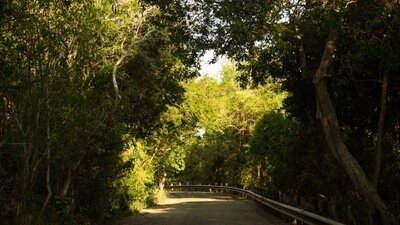
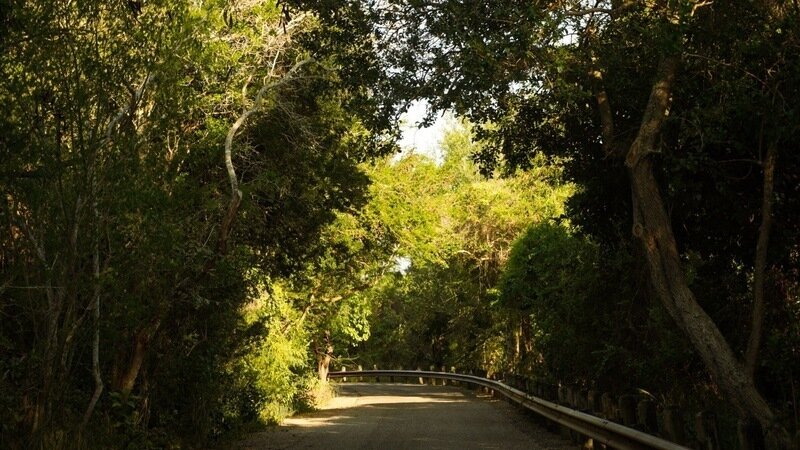
Brownsville’s natural environment is an important part of what makes Brownsville special. Its native plants, trees, and habitats provide shade for people while providing food, shelter, and places to raise young for wildlife. Brownsville is currently facing two challenges that are connected: making the city more comfortable during extreme heat and protecting and restoring habitats for wildlife. Pavement and buildings can contribute to the urban heat-island effect, where developed areas become warmer than surrounding less-developed areas. Trees can help by providing shade and cooling through evapotranspiration. The Lower Rio Grande Valley has lost much of its original native habitat due to agriculture and urban development. According to TPWD, only scattered fragments of the original habitat remain, and those fragments have some of the highest biodiversity in the United States.
Why Birds Matter
The Lower Rio Grande Valley is a very important place for birds because it sits at a meeting point between different ecological regions and is used by both resident and migratory birds. TPWD describes the Lower Rio Grande Valley as having an extraordinary diversity of wildlife. The Valley’s habitats support species that are much harder to find elsewhere in the United States. Birds also have important ecological roles, including seed dispersal, pollination, and helping control insect populations. Brownsville is now actively promoting birds as part of its ecotourism identity. Brownsville held its inaugural Brownsville Birding Festival on April 11–12, 2026. It was an ecotourism event intended to showcase Brownsville’s natural habitats and strengthen its position as a major birding destination.
What Makes a Good Habitat?
Native plants are an important part of a healthy habitat. Native plants can provide fruits, seeds, nectar, nuts, and leaves while also supporting insects that become food for native birds and other wildlife. Native plants can also provide shelter for wildlife. This helps them hide from predators, rest, raise young, and escape extreme weather. Water is also critical. Trees aren’t the only thing a habitat needs. Trees are important, but there’s more to a healthy habitat than just trees. A habitat can also need smaller native trees, shrubs, ground plants, grasses, and flowers. Native plants can also be useful because they’re adapted to the local climate. Once established, they can require less supplemental water and maintenance than some non-native ornamental plants. A healthy habitat should also use plants appropriate for the specific location and ecosystem. Different ecosystems, such as wetlands, grasslands, and thornscrub, have different plants and conditions, so they shouldn’t be planted in the same way.
What Brownsville Should Do
We ask the City of Brownsville to expand and strengthen its existing efforts by incorporating diverse native habitats into current and future projects where appropriate. This means not only planting native trees, but also including smaller trees, shrubs, grasses, and flowering plants that support local wildlife. We also ask the city to encourage residents and local organizations to participate in protecting and restoring native habitats. We shouldn’t just restore our habitats; we should also protect what we currently have.
How This Would Help Brownsville’s Residents
Trees provide shade and can help cool developed areas. Vegetation and healthy soil can also help absorb and slow stormwater. Native habitats give residents places to walk, spend time outdoors, observe wildlife, and photograph nature. More natural areas provide opportunities for students and residents to learn about the unique ecosystems of the Lower Rio Grande Valley.
Brownsville’s Future as a Birding and Ecotourism Destination
Brownsville’s natural environment is not only important for wildlife, but it can also help shape the future of our city. Brownsville is already promoting birding and ecotourism. In April 2026, Brownsville held its first Birding Festival, with 27 guided tours across nine locations. The festival was created to showcase Brownsville’s natural habitats and strengthen its position as a major birding destination. Visitors also traveled from different parts of the United States and other countries to experience Brownsville’s birding opportunities. By protecting and restoring native habitats, we can help support the birds and wildlife that make Brownsville special while also strengthening its future as a birding and ecotourism destination.
Call to Action
The future of Brownsville’s wildlife and natural habitats depends on the actions we take today. Protecting and restoring Brownsville’s natural habitats is something we can all help with. By signing and sharing this petition, supporting native habitats, and getting involved in local conservation efforts, we can encourage our city to continue building a healthier environment for both people and wildlife.
224
The Issue
The Problem
Brownsville’s natural environment is an important part of what makes Brownsville special. Its native plants, trees, and habitats provide shade for people while providing food, shelter, and places to raise young for wildlife. Brownsville is currently facing two challenges that are connected: making the city more comfortable during extreme heat and protecting and restoring habitats for wildlife. Pavement and buildings can contribute to the urban heat-island effect, where developed areas become warmer than surrounding less-developed areas. Trees can help by providing shade and cooling through evapotranspiration. The Lower Rio Grande Valley has lost much of its original native habitat due to agriculture and urban development. According to TPWD, only scattered fragments of the original habitat remain, and those fragments have some of the highest biodiversity in the United States.
Why Birds Matter
The Lower Rio Grande Valley is a very important place for birds because it sits at a meeting point between different ecological regions and is used by both resident and migratory birds. TPWD describes the Lower Rio Grande Valley as having an extraordinary diversity of wildlife. The Valley’s habitats support species that are much harder to find elsewhere in the United States. Birds also have important ecological roles, including seed dispersal, pollination, and helping control insect populations. Brownsville is now actively promoting birds as part of its ecotourism identity. Brownsville held its inaugural Brownsville Birding Festival on April 11–12, 2026. It was an ecotourism event intended to showcase Brownsville’s natural habitats and strengthen its position as a major birding destination.
What Makes a Good Habitat?
Native plants are an important part of a healthy habitat. Native plants can provide fruits, seeds, nectar, nuts, and leaves while also supporting insects that become food for native birds and other wildlife. Native plants can also provide shelter for wildlife. This helps them hide from predators, rest, raise young, and escape extreme weather. Water is also critical. Trees aren’t the only thing a habitat needs. Trees are important, but there’s more to a healthy habitat than just trees. A habitat can also need smaller native trees, shrubs, ground plants, grasses, and flowers. Native plants can also be useful because they’re adapted to the local climate. Once established, they can require less supplemental water and maintenance than some non-native ornamental plants. A healthy habitat should also use plants appropriate for the specific location and ecosystem. Different ecosystems, such as wetlands, grasslands, and thornscrub, have different plants and conditions, so they shouldn’t be planted in the same way.
What Brownsville Should Do
We ask the City of Brownsville to expand and strengthen its existing efforts by incorporating diverse native habitats into current and future projects where appropriate. This means not only planting native trees, but also including smaller trees, shrubs, grasses, and flowering plants that support local wildlife. We also ask the city to encourage residents and local organizations to participate in protecting and restoring native habitats. We shouldn’t just restore our habitats; we should also protect what we currently have.
How This Would Help Brownsville’s Residents
Trees provide shade and can help cool developed areas. Vegetation and healthy soil can also help absorb and slow stormwater. Native habitats give residents places to walk, spend time outdoors, observe wildlife, and photograph nature. More natural areas provide opportunities for students and residents to learn about the unique ecosystems of the Lower Rio Grande Valley.
Brownsville’s Future as a Birding and Ecotourism Destination
Brownsville’s natural environment is not only important for wildlife, but it can also help shape the future of our city. Brownsville is already promoting birding and ecotourism. In April 2026, Brownsville held its first Birding Festival, with 27 guided tours across nine locations. The festival was created to showcase Brownsville’s natural habitats and strengthen its position as a major birding destination. Visitors also traveled from different parts of the United States and other countries to experience Brownsville’s birding opportunities. By protecting and restoring native habitats, we can help support the birds and wildlife that make Brownsville special while also strengthening its future as a birding and ecotourism destination.
Call to Action
The future of Brownsville’s wildlife and natural habitats depends on the actions we take today. Protecting and restoring Brownsville’s natural habitats is something we can all help with. By signing and sharing this petition, supporting native habitats, and getting involved in local conservation efforts, we can encourage our city to continue building a healthier environment for both people and wildlife.
The Decision Makers


Petition Updates
Share this petition
Petition created on August 5, 2026