

Strengthening Support and Preparedness for Typhoon-Affected Communities
The Issue
The late American journalist and civil rights activist Helen Thomas famously said, "A democracy is a place where people can speak their minds." This phrase resonates deeply with our dedication to addressing the critical issue of disaster preparedness and response in the Philippines, a country that is frequently devastated by typhoons.
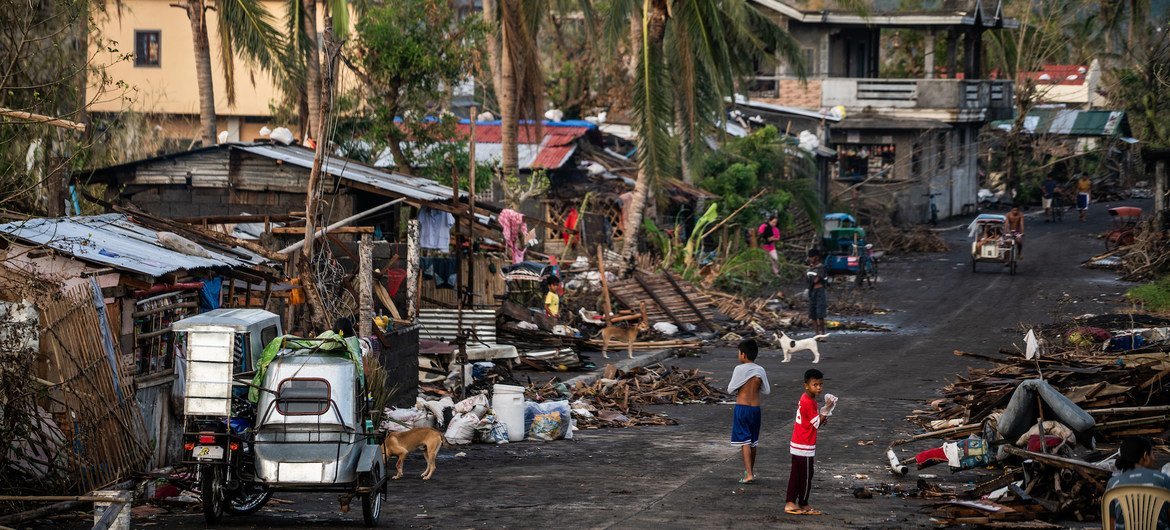
With an average of 20 typhoons each year, the Philippines is one of the countries that are most vulnerable to typhoons nationwide. Typhoons can cause devastating humanitarian crises and present a serious threat to the lives and livelihoods of countless Filipinos. Typhoon Goni, also known as Super Typhoon Rolly, was estimated to have caused $335 million in damages and forced over 1.5 million people from their homes in 2020 alone.
Due to poor infrastructure, restricted access to emergency services, and a dearth of disaster response training, many communities suffer terrible losses. Families are left exposed and unprepared for the impending storms, which exacerbates poverty and impedes recovery efforts. As such, we need to step up our efforts to support and prepare these vulnerable people in order to solve this important issue.
By signing this petition, you are advocating for the safety and resilience of millions of Filipinos living in typhoon-affected areas. Your support can drive necessary changes to ensure these communities are better prepared for future storms. Together, we can create a safer, more resilient future for the Philippines.
Asian Development Bank. (2019). Strengthening disaster resilience in the Philippines. ADB.
Philippine Atmospheric, Geophysical and Astronomical Services Administration (PAGASA). (2021). Typhoon and weather information. PAGASA.
UNICEF. (2020). Over 700,000 children among most affected as Super Typhoon Rolly (Goni) hit the Philippines.
United Nations Office for Disaster Risk Reduction. (2015). Sendai Framework for Disaster Risk Reduction 2015-2030. UNDRR.
World Meteorological Organization. (2020). The role of disaster risk reduction in climate change adaptation. WMO.

101
The Issue
The late American journalist and civil rights activist Helen Thomas famously said, "A democracy is a place where people can speak their minds." This phrase resonates deeply with our dedication to addressing the critical issue of disaster preparedness and response in the Philippines, a country that is frequently devastated by typhoons.
With an average of 20 typhoons each year, the Philippines is one of the countries that are most vulnerable to typhoons nationwide. Typhoons can cause devastating humanitarian crises and present a serious threat to the lives and livelihoods of countless Filipinos. Typhoon Goni, also known as Super Typhoon Rolly, was estimated to have caused $335 million in damages and forced over 1.5 million people from their homes in 2020 alone.
Due to poor infrastructure, restricted access to emergency services, and a dearth of disaster response training, many communities suffer terrible losses. Families are left exposed and unprepared for the impending storms, which exacerbates poverty and impedes recovery efforts. As such, we need to step up our efforts to support and prepare these vulnerable people in order to solve this important issue.
By signing this petition, you are advocating for the safety and resilience of millions of Filipinos living in typhoon-affected areas. Your support can drive necessary changes to ensure these communities are better prepared for future storms. Together, we can create a safer, more resilient future for the Philippines.
Asian Development Bank. (2019). Strengthening disaster resilience in the Philippines. ADB.
Philippine Atmospheric, Geophysical and Astronomical Services Administration (PAGASA). (2021). Typhoon and weather information. PAGASA.
UNICEF. (2020). Over 700,000 children among most affected as Super Typhoon Rolly (Goni) hit the Philippines.
United Nations Office for Disaster Risk Reduction. (2015). Sendai Framework for Disaster Risk Reduction 2015-2030. UNDRR.
World Meteorological Organization. (2020). The role of disaster risk reduction in climate change adaptation. WMO.
Petition Updates
Share this petition
Petition created on October 10, 2024