Stop throwing garbage in the rivers

Stop throwing garbage in the rivers
The Issue
The improper disposal of waste in rivers results in significant environmental degradation, harming aquatic life and compromising water quality for human.
Throwing garbage in a river harms fishermen it reduce catches and their incomes, people who drink the water that may increased disease risk, farmers suffer crop failures from polluted soil and the tourism industry. It also damages the ecosystem, contributes to flooding, and releases greenhouse gases. The consequences are widespread and severe, impacting livelihoods and the environment.
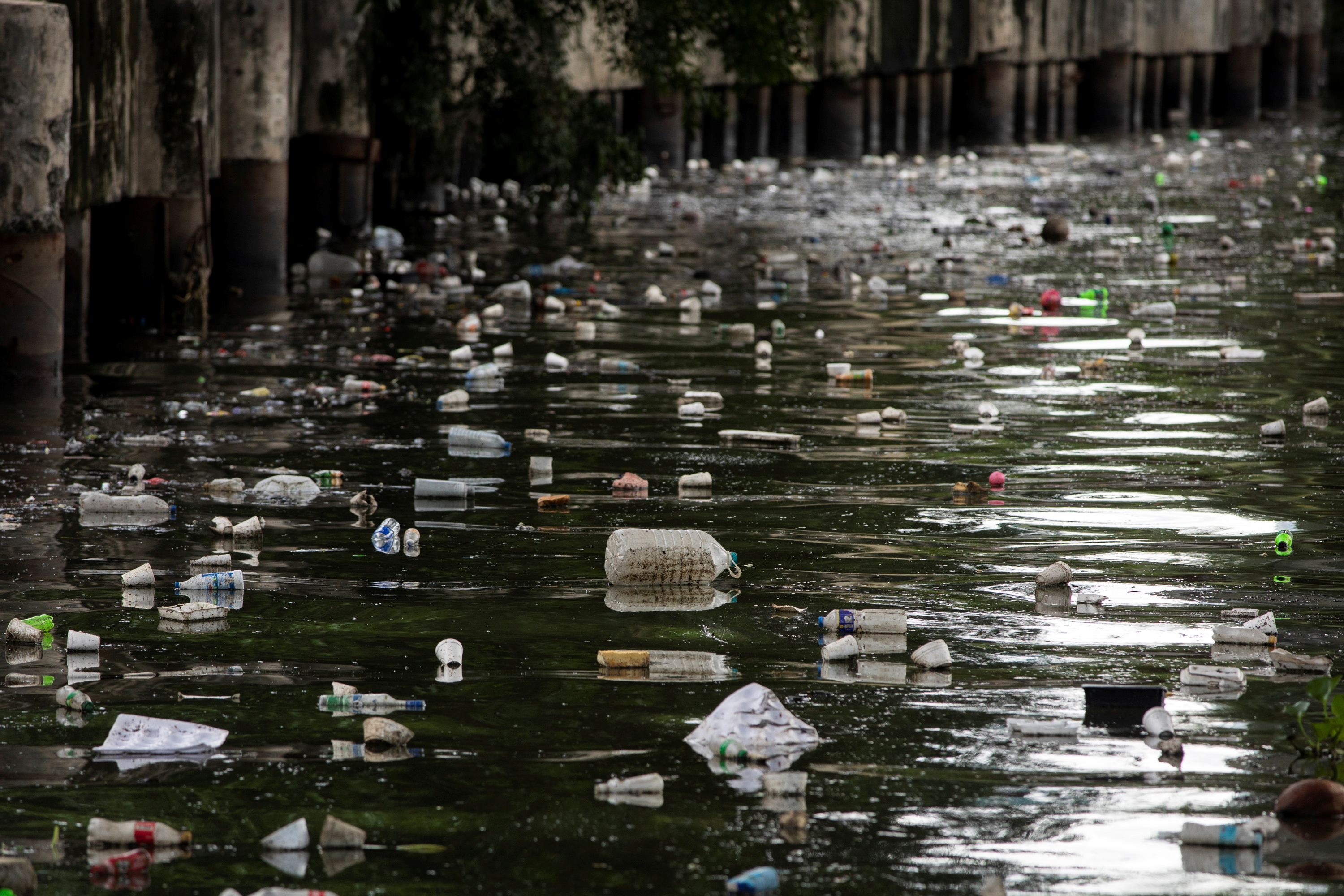
Continued river pollution from garbage will severely damage the environment, threaten human health, and harm local economies, while also exacerbating flooding and climate change. In contrast, protecting our rivers through responsible waste disposal will lead to environmental restoration, improved public health, economic benefits, and reduced risks from flooding and climate change. The outcome hinges on our actions.
A proper way to prevent garbage from entering the rivers:
Ensure proper disposal of all waste, both at home and in public spaces. Avoid littering and utilize appropriate bins. Public bins should be regularly emptied to prevent overflow and wind-blown litter. Never dispose of waste in storm drains or directly into waterways.
The most significant source of river pollution is plastic waste. Using less plastic, opting for reusable alternatives, and diligently recycling existing plastics are crucial steps. This includes avoiding single-use plastics like bags, bottles, and straws

1
The Issue
The improper disposal of waste in rivers results in significant environmental degradation, harming aquatic life and compromising water quality for human.
Throwing garbage in a river harms fishermen it reduce catches and their incomes, people who drink the water that may increased disease risk, farmers suffer crop failures from polluted soil and the tourism industry. It also damages the ecosystem, contributes to flooding, and releases greenhouse gases. The consequences are widespread and severe, impacting livelihoods and the environment.
Continued river pollution from garbage will severely damage the environment, threaten human health, and harm local economies, while also exacerbating flooding and climate change. In contrast, protecting our rivers through responsible waste disposal will lead to environmental restoration, improved public health, economic benefits, and reduced risks from flooding and climate change. The outcome hinges on our actions.
A proper way to prevent garbage from entering the rivers:
Ensure proper disposal of all waste, both at home and in public spaces. Avoid littering and utilize appropriate bins. Public bins should be regularly emptied to prevent overflow and wind-blown litter. Never dispose of waste in storm drains or directly into waterways.
The most significant source of river pollution is plastic waste. Using less plastic, opting for reusable alternatives, and diligently recycling existing plastics are crucial steps. This includes avoiding single-use plastics like bags, bottles, and straws
1
The Decision Makers

Petition Updates
Share this petition
Petition created on March 18, 2025