

Stop the Use of Plastic in Hiroshima's Oyster Industry
The Issue
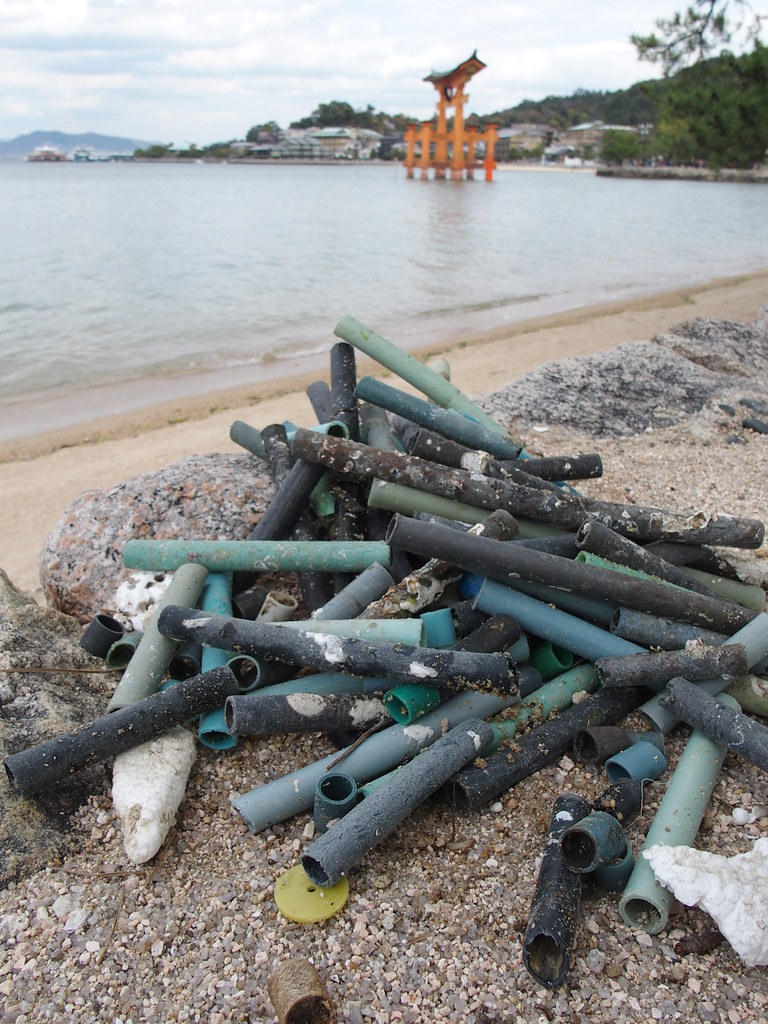
Hiroshima is Japan's biggest producer of oysters, but the industry hasn't set targets to stop using thousands of plastic spacers, discs, pipes and styrofoam on the thousands of floating oyster farms in the Seto Inland sea. We are asking the Hiroshima government to ban the use of plastics in the oyster industry and plan a phase out of plastic replaced by bamboo, wood, reusable baskets and natural alternatives as soon as possible.
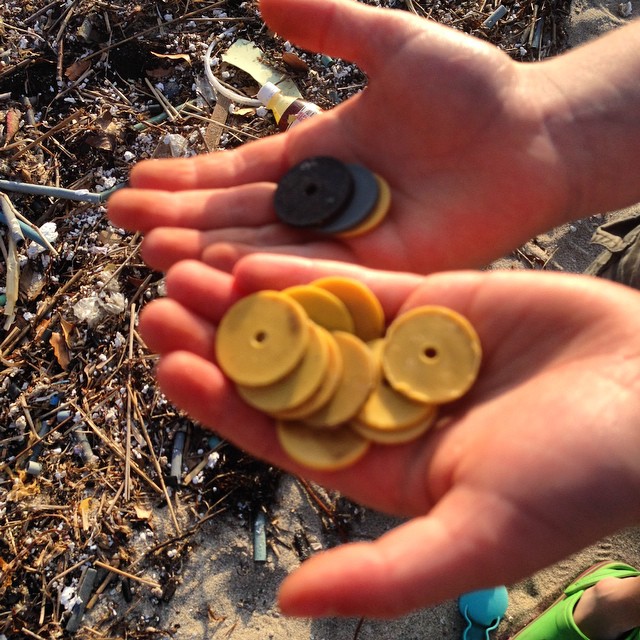
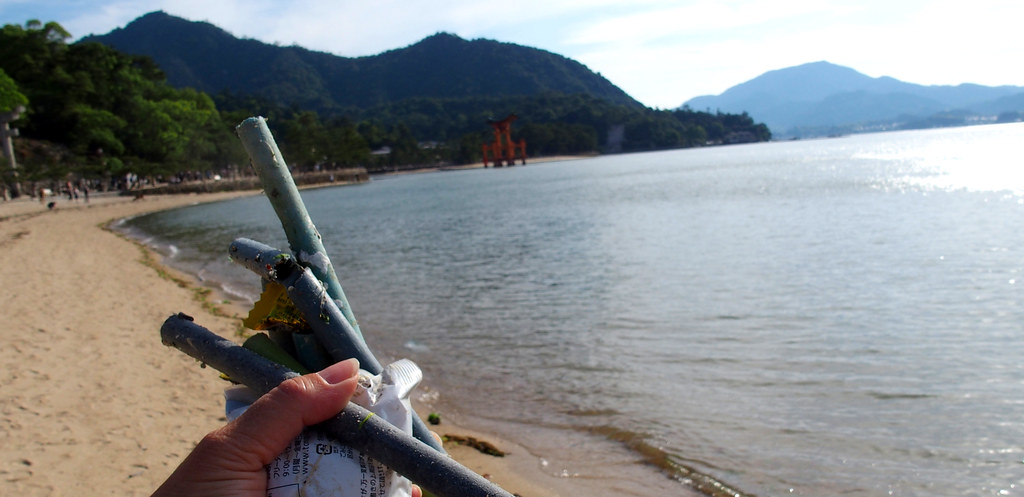

1) Microplastics damage Health of people everywhere: Thousands of plastic materials are used and reused by the oyster and fishing industry- many of these hard plastics break down over time from the sea and sun creating microplastics which are eaten by marine life which are eaten by people and are a growing health concern. According to WebMD: Microplastics are chemicals. “These chemicals are known environmental pollutants, like pesticides, fluorinated compounds, flame retardants, and so on.” Once in the body, these chemicals can be released, potentially leading to cancer, chronic inflammation, or other unknown effects. Oct 28, 2022.
2) Tourism/Economic Damage: The plastic pollution from the floating oyster farms is found on all the beaches in Hiroshima and the surrounding areas of Setouchi which damages destination appeal and tourism revenue. Businesses that use the appeal of the ocean for tourism appeal like beachfront lodges, water-sport businesses are less attractive with plastic pollution in the water and beaches. Also businesses that sell seafood and oysters also have a damaged product as they are embedded with micro-plastics and associated with causes of global plastic pollution.
3) Japan Biggest GPGP Ocean Plastic Contribution:
Plastic pollution from the oyster and fishing industry has been documented in "The Great Pacific Garbage Patch" (GPGP) by The Ocean Cleanup who have discovered that the origin of most of the hard plastics is from Japan (34%) followed by China (32%) Korea (10%) and the USA (7%).
4) Quality of Life
One of the most sad parts of this problem is that it takes away the love of beach exploration and water enjoyment from all of us- but it is especially heart-wrenching to watch kids wading in a sea of plastic and not knowing that it is not normal. Future generations have inherited this problem, but we should try hard to help fix it, not allow it to get worse. This is why a firm commitment to phasing out plastics used by the oyster and fishing industry in Japan is so important.
5) We have solutions from the past
Traditionally, bamboo, wood and glass was used in the oyster and fishing industry and this needs to be brought back into practice. These natural materials go back to nature and which do not create the environmental and social problems that we have from plastic use in the oceans. At the moment, there is no plan or aim to change back to use of natural, environmental materials - this must change as soon as possible.
Miyagi prefecture in the north of Japan shows how it is possible to grow oyster with rope, bamboo and reusable baskets instead of plastics.
This month of May 2023, Hiroshima is the host of the G7 summit- it would be wonderful to see a public announcement of clear aims to reduce the amount of plastic used in the oceans by Hiroshima's oyster industry alongside other environmental solutions that effect the future economic, social and environmental sustainable of Japan, the US, the UK, Canada, France, Germany, Italy, the EU and the rest of the world.
You can see in this NHK documentary how the oysters are harvested and the plastic spacers can be seen being cut down at 01:25 in the video.
We are not asking for the impossible, we know that change is difficult, but we know this plastic is damaging on many levels and we know there are readily available solutions which are better for a better, more sustainable future for people, our planet as well as (profits) a stronger economy.

3,371
The Issue
Hiroshima is Japan's biggest producer of oysters, but the industry hasn't set targets to stop using thousands of plastic spacers, discs, pipes and styrofoam on the thousands of floating oyster farms in the Seto Inland sea. We are asking the Hiroshima government to ban the use of plastics in the oyster industry and plan a phase out of plastic replaced by bamboo, wood, reusable baskets and natural alternatives as soon as possible.
1) Microplastics damage Health of people everywhere: Thousands of plastic materials are used and reused by the oyster and fishing industry- many of these hard plastics break down over time from the sea and sun creating microplastics which are eaten by marine life which are eaten by people and are a growing health concern. According to WebMD: Microplastics are chemicals. “These chemicals are known environmental pollutants, like pesticides, fluorinated compounds, flame retardants, and so on.” Once in the body, these chemicals can be released, potentially leading to cancer, chronic inflammation, or other unknown effects. Oct 28, 2022.
2) Tourism/Economic Damage: The plastic pollution from the floating oyster farms is found on all the beaches in Hiroshima and the surrounding areas of Setouchi which damages destination appeal and tourism revenue. Businesses that use the appeal of the ocean for tourism appeal like beachfront lodges, water-sport businesses are less attractive with plastic pollution in the water and beaches. Also businesses that sell seafood and oysters also have a damaged product as they are embedded with micro-plastics and associated with causes of global plastic pollution.
3) Japan Biggest GPGP Ocean Plastic Contribution:
Plastic pollution from the oyster and fishing industry has been documented in "The Great Pacific Garbage Patch" (GPGP) by The Ocean Cleanup who have discovered that the origin of most of the hard plastics is from Japan (34%) followed by China (32%) Korea (10%) and the USA (7%).
4) Quality of Life
One of the most sad parts of this problem is that it takes away the love of beach exploration and water enjoyment from all of us- but it is especially heart-wrenching to watch kids wading in a sea of plastic and not knowing that it is not normal. Future generations have inherited this problem, but we should try hard to help fix it, not allow it to get worse. This is why a firm commitment to phasing out plastics used by the oyster and fishing industry in Japan is so important.
5) We have solutions from the past
Traditionally, bamboo, wood and glass was used in the oyster and fishing industry and this needs to be brought back into practice. These natural materials go back to nature and which do not create the environmental and social problems that we have from plastic use in the oceans. At the moment, there is no plan or aim to change back to use of natural, environmental materials - this must change as soon as possible.
Miyagi prefecture in the north of Japan shows how it is possible to grow oyster with rope, bamboo and reusable baskets instead of plastics.
This month of May 2023, Hiroshima is the host of the G7 summit- it would be wonderful to see a public announcement of clear aims to reduce the amount of plastic used in the oceans by Hiroshima's oyster industry alongside other environmental solutions that effect the future economic, social and environmental sustainable of Japan, the US, the UK, Canada, France, Germany, Italy, the EU and the rest of the world.
You can see in this NHK documentary how the oysters are harvested and the plastic spacers can be seen being cut down at 01:25 in the video.
We are not asking for the impossible, we know that change is difficult, but we know this plastic is damaging on many levels and we know there are readily available solutions which are better for a better, more sustainable future for people, our planet as well as (profits) a stronger economy.
Supporter Voices
Petition Updates
Share this petition
Petition created on May 13, 2023