Stop the S. 1525 and save the U.S. penny
The Issue
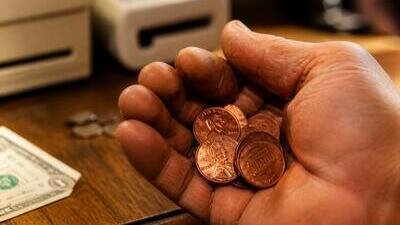
The U.S. penny is more than just a coin; it's a vital part of everyday cash transactions, and an integral piece of our American heritage. I am frustrated with the way inflation concerns have led us to disregard the penny, a small yet significant component of our economy. Every time I pay with cash, I am forced to witness my change being rounded to the nearest nickel. This rounding up or down is unnecessary and diminishes the value of precise transactions, creating inconvenience and confusion.
The introduction of the bill S. 1525, also known as the "Common Cents Act," threatens to phase out the penny from production and circulation. This legislation is grounded in the misconception that the penny is obsolete and financially burdensome, but this couldn't be further from the truth. The penny plays a crucial role in balancing cash transactions, and its removal could spark a chain of unwarranted adjustments to prices and transactions that affect all of us, especially small businesses and consumers who continue to rely on cash.
- Pro-Penny Arguments
Increased Demand for Nickels: Pro-penny advocacy groups note that eliminating the penny will drastically increase the demand for nickels. Because a nickel costs nearly 14 cents to produce, phasing out the penny could paradoxically increase overall minting deficits. - Impact on Cash-Dependent Consumers: Lower-income individuals, the unbanked, and certain cash-heavy small businesses (such as laundromats and vending machine operators) rely heavily on physical coins.
- Charitable Donations: Many charities rely on "penny drives" and loose physical change for fundraising.
Research and studies have shown that the production cost of the penny, although slightly exceeding its face value, is justified by its utility and the economic balance it provides in cash dealings. Approximately 145 billion cash transactions happen yearly in the U.S., many of which would be adversely impacted if the penny were eliminated. Moreover, the historical and cultural significance of the penny, featuring President Abraham Lincoln since 1909, offers a sentimental value that resonates with the American populace.
Instead of dismissing the penny, Congress should consider other economical or innovative strategies to manage production costs, such as using alternative materials or optimizing manufacturing processes. It's time to recognize the penny for what it is—a small yet pivotal element of our economic framework.
Join me in urging Congress and the relevant authorities to stop the enactment of the S. 1525 bill and keep the U.S. penny in production and circulation. Let's preserve this fundamental part of our monetary system and uphold its value in everyday life.
Sign this petition to save the U.S. penny and ensure that the tradition and practicality it represents continue to thrive.

1
The Issue
The U.S. penny is more than just a coin; it's a vital part of everyday cash transactions, and an integral piece of our American heritage. I am frustrated with the way inflation concerns have led us to disregard the penny, a small yet significant component of our economy. Every time I pay with cash, I am forced to witness my change being rounded to the nearest nickel. This rounding up or down is unnecessary and diminishes the value of precise transactions, creating inconvenience and confusion.
The introduction of the bill S. 1525, also known as the "Common Cents Act," threatens to phase out the penny from production and circulation. This legislation is grounded in the misconception that the penny is obsolete and financially burdensome, but this couldn't be further from the truth. The penny plays a crucial role in balancing cash transactions, and its removal could spark a chain of unwarranted adjustments to prices and transactions that affect all of us, especially small businesses and consumers who continue to rely on cash.
- Pro-Penny Arguments
Increased Demand for Nickels: Pro-penny advocacy groups note that eliminating the penny will drastically increase the demand for nickels. Because a nickel costs nearly 14 cents to produce, phasing out the penny could paradoxically increase overall minting deficits. - Impact on Cash-Dependent Consumers: Lower-income individuals, the unbanked, and certain cash-heavy small businesses (such as laundromats and vending machine operators) rely heavily on physical coins.
- Charitable Donations: Many charities rely on "penny drives" and loose physical change for fundraising.
Research and studies have shown that the production cost of the penny, although slightly exceeding its face value, is justified by its utility and the economic balance it provides in cash dealings. Approximately 145 billion cash transactions happen yearly in the U.S., many of which would be adversely impacted if the penny were eliminated. Moreover, the historical and cultural significance of the penny, featuring President Abraham Lincoln since 1909, offers a sentimental value that resonates with the American populace.
Instead of dismissing the penny, Congress should consider other economical or innovative strategies to manage production costs, such as using alternative materials or optimizing manufacturing processes. It's time to recognize the penny for what it is—a small yet pivotal element of our economic framework.
Join me in urging Congress and the relevant authorities to stop the enactment of the S. 1525 bill and keep the U.S. penny in production and circulation. Let's preserve this fundamental part of our monetary system and uphold its value in everyday life.
Sign this petition to save the U.S. penny and ensure that the tradition and practicality it represents continue to thrive.
The Decision Makers


Petition Updates
Share this petition
Petition created on May 30, 2026