
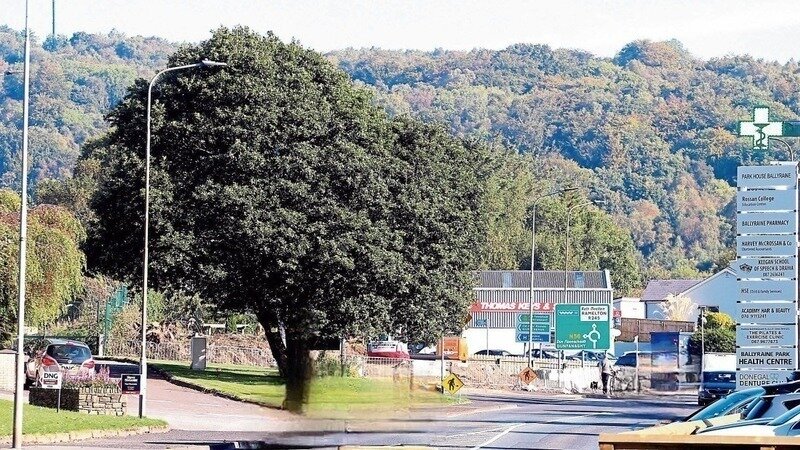
A 90-year-old oak tree contributes significantly to the environment in multiple ways, offering benefits that improve air quality, biodiversity, climate regulation, and overall ecosystem health. Here's an overview of its key contributions:
1. Carbon Sequestration
Carbon Storage: Oak trees, being long-lived and large, store a substantial amount of carbon over time. A mature oak tree can absorb up to 48 pounds (about 22 kg) of CO₂ annually. Over 90 years, it could have absorbed several tons of CO₂, helping mitigate climate change.
Oxygen Production: On average, a mature oak tree can produce enough oxygen to support two people per year.
2. Biodiversity Support
Habitat: Oak trees provide a habitat for a wide range of wildlife. Hundreds of species, including insects, birds, fungi, and mammals, depend on oak trees for food and shelter. Acorns from oak trees are an important food source for many animals like squirrels, deer, and birds.
Fungi and Microorganisms: Oak trees form symbiotic relationships with fungi like mycorrhiza, which enhance the nutrient uptake of the tree and contribute to soil health.
3. Air Quality Improvement
Pollutant Filtering: Oak trees absorb air pollutants, including sulfur dioxide, nitrogen dioxide, and ozone. They also capture particulate matter (PM), which helps improve urban air quality and reduces respiratory-related issues in humans.
Cooling Effects: Through a process called transpiration, oak trees release water vapor that cools the air, helping to lower temperatures in their vicinity, especially in urban environments.
4. Water Regulation
Water Filtration: The extensive root system of an oak tree helps absorb water, filter pollutants from the soil, and reduce the risk of soil erosion and water runoff. This helps to maintain groundwater levels and prevent flooding.
Stormwater Management: Oak trees can intercept a significant amount of rainfall, reducing stormwater runoff and helping to protect water bodies from pollution.
5. Soil Enrichment
Nutrient Cycling: Oak trees contribute to nutrient cycling by shedding leaves, branches, and acorns, which decompose and enrich the soil. This process improves soil structure and fertility, supporting other plants in the ecosystem.
Summary of Contributions:
Carbon Sequestration: Absorbs several tons of CO₂ over its lifetime.
Oxygen Production: Produces oxygen sufficient for two humans annually.
Biodiversity: Supports a diverse range of species, creating a mini-ecosystem.
Air Quality: Filters pollutants and cools the surrounding air.
Water Regulation: Helps manage water runoff, prevent floods, and maintain soil health.
Thus, a 90-year-old oak tree is a cornerstone of its ecosystem, offering immense environmental benefits throughout its lifespan.