Stop the I-71/SR 39 Buc-ee’s: Protect Our Water, Land, and Community

Stop the I-71/SR 39 Buc-ee’s: Protect Our Water, Land, and Community
The Issue
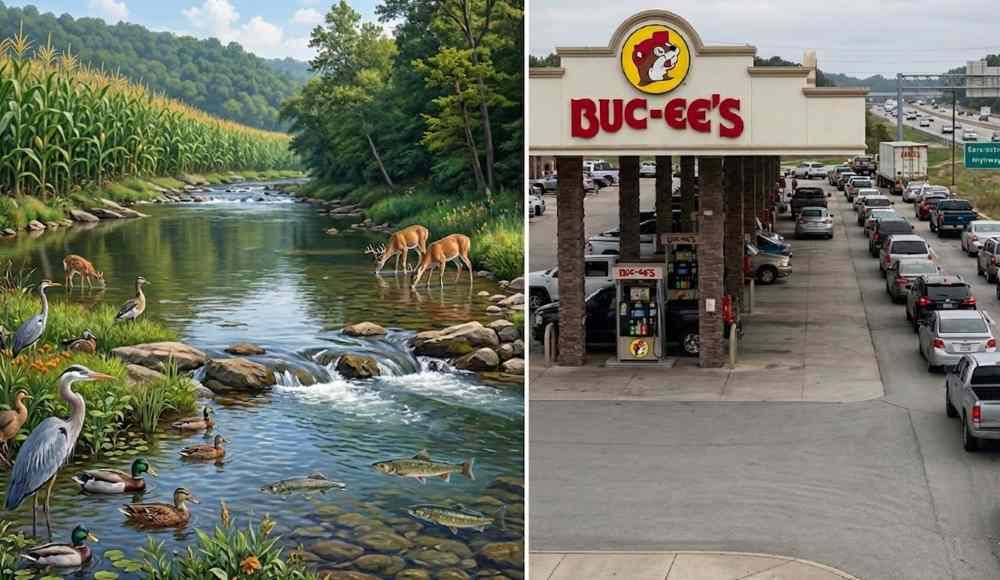
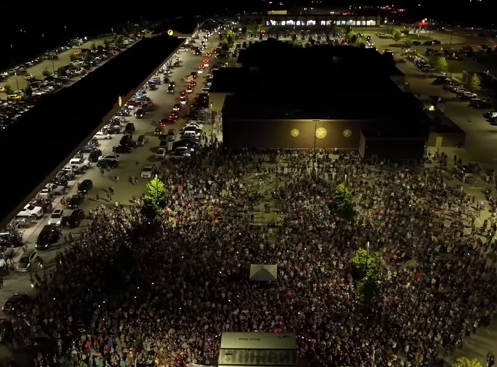
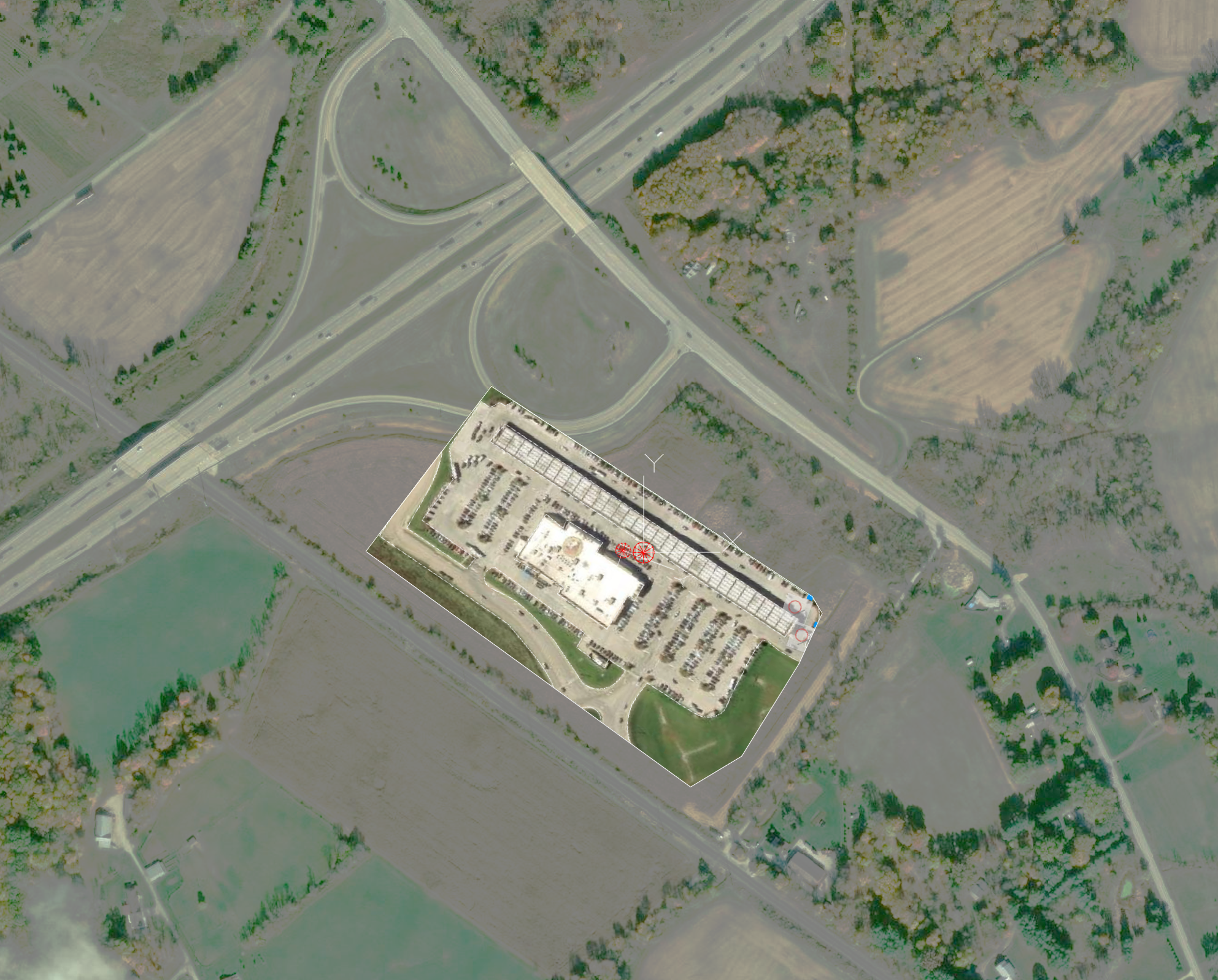
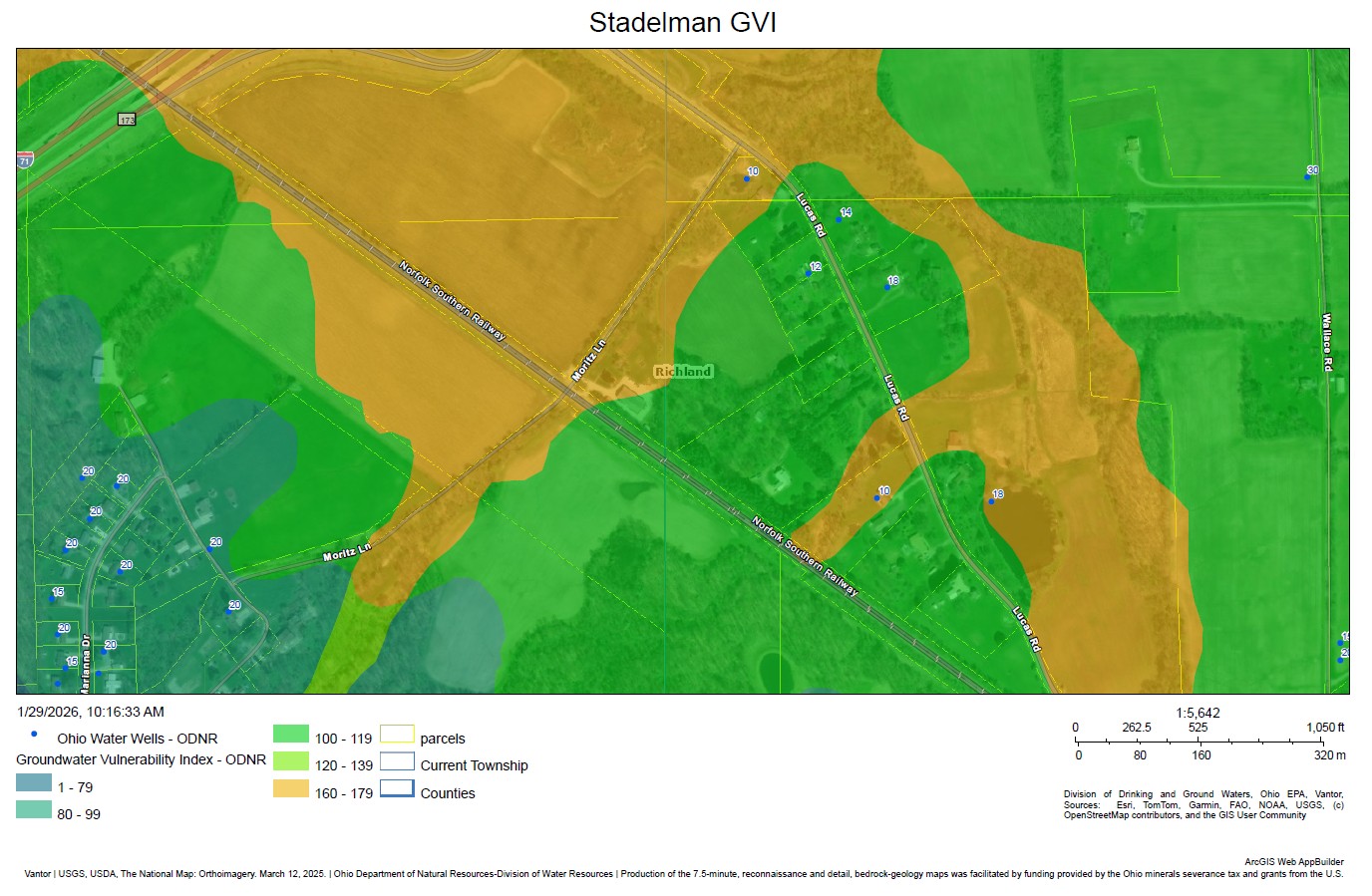
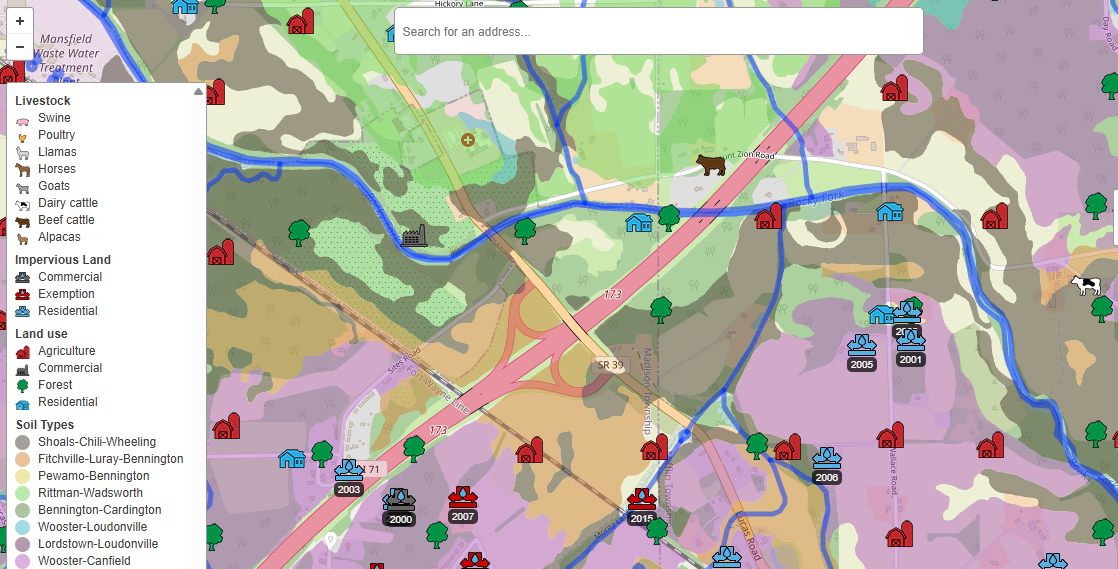
We, the undersigned residents and property owners of Madison Township, Mifflin Township, and the City of Mansfield, formally oppose the annexation and development of 110+ acres at the I-71 and State Route 39 interchange for a Buc-ee’s Travel Center. While proponents cite economic growth, the catastrophic risks to our environment, safety, and property rights far outweigh the perceived benefits.
https://www.facebook.com/watch/?v=3441675892649968
1. Environmental Threat: Wetlands and the Rocky Fork River
The proposed development sits on land characterized by high water tables and sensitive wetlands.
- Watershed Risk: This site is in the immediate vicinity of the Rocky Fork River and critical local aquifers. Millions of gallons of water a year containing gasoline & oil residue spilling into creeks, wetlands and Rocky Fork.
- Irreversible Contamination: Paving over 50 acres will create massive stormwater runoff. Research shows that even "small" routine spills at high-volume gas stations—estimated at 1,500 liters per decade—infiltrate concrete and soil.
- Well Water Destruction: Many local homeowners rely on private wells. Petroleum hydrocarbons (benzene, toluene) from 100+ gas pumps (fuel tanks totaling ½ million gallons) can migrate rapidly through high-water-table soil, potentially rendering our drinking water toxic and destroying the value of our homes.
- Mansfield WWTP has reported 42 violations in the last five years: Can the Mansfield municipal waste treatment plant handle the additional waste? If not, are they going to upgrade? https://dam.assets.ohio.gov/image/upload/epa.ohio.gov/Portals/35/permits/doc/2PE00001.fs.pdf
2. Public Safety: Crime and Human Trafficking, Ohio ranks fourth in the nation for reported cases of human trafficking.
Large-scale travel centers on major interstate corridors like I-71 are documented "hotspots" for criminal activity.
- Trafficking Hubs: The National Human Trafficking Hotline identifies large-scale transit hubs as high-risk areas for sex trafficking and exploitation.
- Increased Police Burden: Similar developments have seen a significant spike in "Calls for Service," straining local law enforcement and bringing transient crime into a historically quiet residential and agricultural area.
- facebook.com/SenJonHusted/posts/ohio-ranks-fourth-in-the-nation-for-reported-cases-of-human-trafficking
- Son of Buc-ee's co-founder indicted after secretly recording people in bathrooms of Texas homes, officials say
https://www.kxan.com/investigations/son-of-buc-ees-co-founder-arrested-on-28-invasive-visual-recording-charges/
3. Quality of Life: Light and Noise Pollution
A 24/7 "mega-center" with 100+ pumps and massive stadium-style lighting will fundamentally alter our community.
- Light Pollution: Constant high-intensity LED lighting will disrupt local wildlife (including migratory birds and insects) and destroy the "dark sky" quality of life for neighboring residents.
- Noise and Air Quality: The addition of thousands of vehicles daily will create a persistent "noise wall" and elevate levels of benzene and other VOCs, impacting the health of those living within a 1,000-meter radius.
Key Impacts on Crops and Plants: - Reduced Pollination Artificial light at night (ALAN) draws pollinators like moths away from crops, decreasing nocturnal pollination by up to 62%.
- Disrupted Growth Cycles: Continuous light exposure alters photosynthetic processes, causing plants to grow tougher, less edible leaves, or disrupting flowering times.
- Stunted Development: Research indicates that light pollution can act as a depressor for some plant species, lowering the overall productivity and health of crops.
- Attracting Pests: Strong lighting attracts agricultural pests, which can increase damage to nearby crops.
- https://www.unep.org/news-and-stories/story/study-suggests-light-pollution-hurts-pollinators-crop-yields
- https://www.lanereport.com/186480/2026/03/measure-to-combat-highway-light-pollution-on-farms-passes-house/
4. Economic Reality: Bad Neighbors for Land Owners
- Property Devaluation: Studies show that residential property values can drop by 10% to 16% when located near large-scale gas stations due to environmental stigma and increased traffic.
- Infrastructure Costs: While Buc-ee’s may bring tax revenue, the long-term cost of maintaining roads for thousands of additional vehicles and the potential for a "brownfield" legacy if the site is ever abandoned leaves taxpayers with the bill.
- Public Safety & Traffic Risks
- Increased traffic volume raises the risk of: Vehicle accidents, Pedestrian, safety issues, Emergency response delays.
- Local police, fire, and EMS services may be stretched without guaranteed funding increases and more man power.
5. Geological Instability: Soil Associations and Construction Risks
The specific soil composition of the proposed site makes it fundamentally unsuitable for a massive concrete development like a Buc-ee’s Travel Center.
- Shoals-Chili-Wheeling Association:
Flooding & Wetness: The Shoals series consists of very deep, somewhat poorly drained soils typically found on floodplains. These soils are subject to frequent flooding and have a seasonal high water table.
Incompatibility with Underground Tanks: The high permeability of the Chili and Wheeling outwash deposits—while excellent for crops—creates a "fast-track" for pollutants. If an underground storage tank (UST) leaks, the gravelly substratum acts as a funnel, allowing gasoline to reach the groundwater almost instantly. - Fitchville-Luray-Bennington Association:
Severe Drainage Constraints: This association is characterized by "somewhat poorly drained" to "very poorly drained" soils. The Luray and Bennington soils are prone to ponding and have a high clay content that shrinks and swells, which can crack commercial foundations and fuel containment pads.
The "Sponge" Effect: These soils naturally hold water near the surface. To build a 100-pump station here, developers would have to strip massive amounts of topsoil and install aggressive drainage systems, which will redirect contaminated runoff directly into the Rocky Fork River and neighboring properties. - https://richlandswcd.net/residential/soil/
- Aquifer Yield Map of Ohio
- Ohio's PFAS Action Plan
- Mansfield lawmakers OK airport pollution settlement deal after closed-door session
6. Preservation of Prime Farmland
These soil associations are among the most productive in Richland County for agriculture.
- Agricultural Heritage: When adequately drained for farming, the Fitchville and Wheeling soils are classified as Prime Farmland.
- Irreparable Loss: Once these soils are compacted by heavy machinery and covered by asphalt, their biological productivity is destroyed forever. We believe this land should remain in production to support local food security and the rural economy, rather than being paved over for a transient rest stop.
- https://richlandswcd.net/agriculture/farmland-preservation/
7. Economic Leakage: Why Buc-ee’s Fails Local Business
The promise of "economic growth" is often a hollow one for the actual residents of Mansfield and the surrounding townships.
- The "Walmart Effect": Buc-ee’s is a "category killer." By offering everything from specialized BBQ and clothing to hunting gear and home decor, it doesn’t just compete with gas stations—it siphons customers away from local hardware stores, diners, and boutique shops that have anchored our community for decades.
- Corporate Wealth Extraction: Unlike a local family-owned business where profits are reinvested into Mansfield schools and charities, Buc-ee’s is a private entity. The vast majority of every dollar spent at those 100+ pumps leaks out of our county and goes directly to corporate headquarters and out-of-state shareholders.
- Low Economic Multiplier: Locally owned businesses have a "multiplier effect" of nearly 3x that of a chain. For every $100 spent at a local shop, roughly $68 stays in the community. At a corporate mega-center, that number drops to less than $15.
8. The Tax Abatement Trap
Local officials often lure these developments with massive tax abatements that can last 15 to 20 years.
- Prolonged Subsidies: While the corporation enjoys "tax holidays," the community bears the immediate cost of increased road wear, emergency services, and utility expansions.
- The Infrastructure Bill: Taxpayers are essentially subsidizing the very project that will increase their traffic and pollute their water. By the time the abatement finally expires, the facility’s "peak" economic value has often already passed.
9. The "Brownfield" Legacy: The Negative Life Cycle
A gas station of this magnitude is not a permanent asset; it is a ticking environmental time bomb with a definitive shelf life.
- The 30-Year Wall: Most underground storage tank (UST) systems have a lifespan of roughly 30 years. As these tanks age, the risk of "silent leaks" into our high water table becomes a mathematical certainty, not a possibility.
- Post-Closure Abandonment: When the site is no longer profitable or requires multi-million dollar tank replacements, large corporations often vacate. Mansfield is already familiar with the "brownfield" problem—abandoned sites that are too contaminated for new businesses to touch.
- Perpetual Pollution: Even after a station closes, the "plume" of chemicals (benzene and lead) continues to migrate through the soil. We refuse to let prime farmland become a contaminated wasteland for future generations just for 20 years of "convenience."
Our Demand:
We call on the Richland County Commissioners and Mansfield City Council to deny the annexation petition and preserve the integrity of our agricultural land and water resources. Do not sacrifice the Rocky Fork River and our private wells for a corporate "destination." This will hinder many local residents daily, all for the sake of tax revenue of gas and snacks. It is not worth the jobs they'll promise to bring. Our exit at I71 & 39 is a community of quiet neighbors, farmers, fields, rivers, creeks and wild life---not a highway rest stop.

762
The Issue
We, the undersigned residents and property owners of Madison Township, Mifflin Township, and the City of Mansfield, formally oppose the annexation and development of 110+ acres at the I-71 and State Route 39 interchange for a Buc-ee’s Travel Center. While proponents cite economic growth, the catastrophic risks to our environment, safety, and property rights far outweigh the perceived benefits.
https://www.facebook.com/watch/?v=3441675892649968
1. Environmental Threat: Wetlands and the Rocky Fork River
The proposed development sits on land characterized by high water tables and sensitive wetlands.
- Watershed Risk: This site is in the immediate vicinity of the Rocky Fork River and critical local aquifers. Millions of gallons of water a year containing gasoline & oil residue spilling into creeks, wetlands and Rocky Fork.
- Irreversible Contamination: Paving over 50 acres will create massive stormwater runoff. Research shows that even "small" routine spills at high-volume gas stations—estimated at 1,500 liters per decade—infiltrate concrete and soil.
- Well Water Destruction: Many local homeowners rely on private wells. Petroleum hydrocarbons (benzene, toluene) from 100+ gas pumps (fuel tanks totaling ½ million gallons) can migrate rapidly through high-water-table soil, potentially rendering our drinking water toxic and destroying the value of our homes.
- Mansfield WWTP has reported 42 violations in the last five years: Can the Mansfield municipal waste treatment plant handle the additional waste? If not, are they going to upgrade? https://dam.assets.ohio.gov/image/upload/epa.ohio.gov/Portals/35/permits/doc/2PE00001.fs.pdf
2. Public Safety: Crime and Human Trafficking, Ohio ranks fourth in the nation for reported cases of human trafficking.
Large-scale travel centers on major interstate corridors like I-71 are documented "hotspots" for criminal activity.
- Trafficking Hubs: The National Human Trafficking Hotline identifies large-scale transit hubs as high-risk areas for sex trafficking and exploitation.
- Increased Police Burden: Similar developments have seen a significant spike in "Calls for Service," straining local law enforcement and bringing transient crime into a historically quiet residential and agricultural area.
- facebook.com/SenJonHusted/posts/ohio-ranks-fourth-in-the-nation-for-reported-cases-of-human-trafficking
- Son of Buc-ee's co-founder indicted after secretly recording people in bathrooms of Texas homes, officials say
https://www.kxan.com/investigations/son-of-buc-ees-co-founder-arrested-on-28-invasive-visual-recording-charges/
3. Quality of Life: Light and Noise Pollution
A 24/7 "mega-center" with 100+ pumps and massive stadium-style lighting will fundamentally alter our community.
- Light Pollution: Constant high-intensity LED lighting will disrupt local wildlife (including migratory birds and insects) and destroy the "dark sky" quality of life for neighboring residents.
- Noise and Air Quality: The addition of thousands of vehicles daily will create a persistent "noise wall" and elevate levels of benzene and other VOCs, impacting the health of those living within a 1,000-meter radius.
Key Impacts on Crops and Plants: - Reduced Pollination Artificial light at night (ALAN) draws pollinators like moths away from crops, decreasing nocturnal pollination by up to 62%.
- Disrupted Growth Cycles: Continuous light exposure alters photosynthetic processes, causing plants to grow tougher, less edible leaves, or disrupting flowering times.
- Stunted Development: Research indicates that light pollution can act as a depressor for some plant species, lowering the overall productivity and health of crops.
- Attracting Pests: Strong lighting attracts agricultural pests, which can increase damage to nearby crops.
- https://www.unep.org/news-and-stories/story/study-suggests-light-pollution-hurts-pollinators-crop-yields
- https://www.lanereport.com/186480/2026/03/measure-to-combat-highway-light-pollution-on-farms-passes-house/
4. Economic Reality: Bad Neighbors for Land Owners
- Property Devaluation: Studies show that residential property values can drop by 10% to 16% when located near large-scale gas stations due to environmental stigma and increased traffic.
- Infrastructure Costs: While Buc-ee’s may bring tax revenue, the long-term cost of maintaining roads for thousands of additional vehicles and the potential for a "brownfield" legacy if the site is ever abandoned leaves taxpayers with the bill.
- Public Safety & Traffic Risks
- Increased traffic volume raises the risk of: Vehicle accidents, Pedestrian, safety issues, Emergency response delays.
- Local police, fire, and EMS services may be stretched without guaranteed funding increases and more man power.
5. Geological Instability: Soil Associations and Construction Risks
The specific soil composition of the proposed site makes it fundamentally unsuitable for a massive concrete development like a Buc-ee’s Travel Center.
- Shoals-Chili-Wheeling Association:
Flooding & Wetness: The Shoals series consists of very deep, somewhat poorly drained soils typically found on floodplains. These soils are subject to frequent flooding and have a seasonal high water table.
Incompatibility with Underground Tanks: The high permeability of the Chili and Wheeling outwash deposits—while excellent for crops—creates a "fast-track" for pollutants. If an underground storage tank (UST) leaks, the gravelly substratum acts as a funnel, allowing gasoline to reach the groundwater almost instantly. - Fitchville-Luray-Bennington Association:
Severe Drainage Constraints: This association is characterized by "somewhat poorly drained" to "very poorly drained" soils. The Luray and Bennington soils are prone to ponding and have a high clay content that shrinks and swells, which can crack commercial foundations and fuel containment pads.
The "Sponge" Effect: These soils naturally hold water near the surface. To build a 100-pump station here, developers would have to strip massive amounts of topsoil and install aggressive drainage systems, which will redirect contaminated runoff directly into the Rocky Fork River and neighboring properties. - https://richlandswcd.net/residential/soil/
- Aquifer Yield Map of Ohio
- Ohio's PFAS Action Plan
- Mansfield lawmakers OK airport pollution settlement deal after closed-door session
6. Preservation of Prime Farmland
These soil associations are among the most productive in Richland County for agriculture.
- Agricultural Heritage: When adequately drained for farming, the Fitchville and Wheeling soils are classified as Prime Farmland.
- Irreparable Loss: Once these soils are compacted by heavy machinery and covered by asphalt, their biological productivity is destroyed forever. We believe this land should remain in production to support local food security and the rural economy, rather than being paved over for a transient rest stop.
- https://richlandswcd.net/agriculture/farmland-preservation/
7. Economic Leakage: Why Buc-ee’s Fails Local Business
The promise of "economic growth" is often a hollow one for the actual residents of Mansfield and the surrounding townships.
- The "Walmart Effect": Buc-ee’s is a "category killer." By offering everything from specialized BBQ and clothing to hunting gear and home decor, it doesn’t just compete with gas stations—it siphons customers away from local hardware stores, diners, and boutique shops that have anchored our community for decades.
- Corporate Wealth Extraction: Unlike a local family-owned business where profits are reinvested into Mansfield schools and charities, Buc-ee’s is a private entity. The vast majority of every dollar spent at those 100+ pumps leaks out of our county and goes directly to corporate headquarters and out-of-state shareholders.
- Low Economic Multiplier: Locally owned businesses have a "multiplier effect" of nearly 3x that of a chain. For every $100 spent at a local shop, roughly $68 stays in the community. At a corporate mega-center, that number drops to less than $15.
8. The Tax Abatement Trap
Local officials often lure these developments with massive tax abatements that can last 15 to 20 years.
- Prolonged Subsidies: While the corporation enjoys "tax holidays," the community bears the immediate cost of increased road wear, emergency services, and utility expansions.
- The Infrastructure Bill: Taxpayers are essentially subsidizing the very project that will increase their traffic and pollute their water. By the time the abatement finally expires, the facility’s "peak" economic value has often already passed.
9. The "Brownfield" Legacy: The Negative Life Cycle
A gas station of this magnitude is not a permanent asset; it is a ticking environmental time bomb with a definitive shelf life.
- The 30-Year Wall: Most underground storage tank (UST) systems have a lifespan of roughly 30 years. As these tanks age, the risk of "silent leaks" into our high water table becomes a mathematical certainty, not a possibility.
- Post-Closure Abandonment: When the site is no longer profitable or requires multi-million dollar tank replacements, large corporations often vacate. Mansfield is already familiar with the "brownfield" problem—abandoned sites that are too contaminated for new businesses to touch.
- Perpetual Pollution: Even after a station closes, the "plume" of chemicals (benzene and lead) continues to migrate through the soil. We refuse to let prime farmland become a contaminated wasteland for future generations just for 20 years of "convenience."
Our Demand:
We call on the Richland County Commissioners and Mansfield City Council to deny the annexation petition and preserve the integrity of our agricultural land and water resources. Do not sacrifice the Rocky Fork River and our private wells for a corporate "destination." This will hinder many local residents daily, all for the sake of tax revenue of gas and snacks. It is not worth the jobs they'll promise to bring. Our exit at I71 & 39 is a community of quiet neighbors, farmers, fields, rivers, creeks and wild life---not a highway rest stop.
762


Supporter Voices
Share this petition
Petition created on March 21, 2026