Stop the proposed cull! Protect Ottawa's wildlife with humane coyote coexistence
The Issue
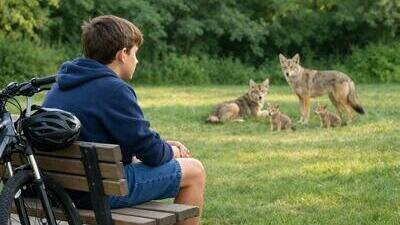
Please do not harm the coyotes, who were allegedly harassed and are trying to protect their puppies. Some cruel people are trying to harm the coyotes. One person illegally shot an arrow into a neighbour's garden. Thankfully no one was hurt.
I am very concerned about the proposed trapping and possible shooting efforts by the city. Animal protection organization Coyote Watch Canada states the coyotes are showing normal parental behaviour.
Residents are not allowed to hunt or trap, but the city hired hunter and trapper likely will.
Since the province won't allow relocation, the hired hunter will likely shoot the entire family.
I request that a relocation permit be given, to prevent shooting, but relocating or killing will not solve the problem. Leghold traps and snares are cruel and should be banned from Lalande Park. Please do not shoot the coyote family if a relocation permit is denied. Please do not kill. The coyotes will leave the natal den on their own in a few days. https://ottawa.ca/en/city-hall/city-news/newsroom/city-advances-wildlife-response-efforts-lalande-conservation-park
“Relocation options were reviewed earlier in the response within the existing regulatory framework. Given the recent escalation of the situation and increased public safety concerns, the City is furthering discussions with the Ministry to determine whether additional measures, including potential regulatory exemptions to allow for relocation, may be permitted. At the same time, the City is actively preparing for all potential outcomes available under provincial regulations. Staff, wildlife specialists and partner agencies are coordinating operational plans now so that appropriate action can be taken without delay should relocation not be approved.”
Here is an unsubstantiated quote from a resident.
"Unfortunately a young coyote was caught in the trap (see post on Lost and Found Pets of Ottawa page for details)."
Closing the park probably means a plan for trapping and shooting. This is not humane. Coyote culling is widely considered cruel because it relies on brutal, unstandardized killing methods—like leghold traps, snares, and shooting—that inflict prolonged agony. Furthermore, it is scientifically proven to be ineffective, as it creates a population vacuum that leads to more breeding and incoming coyotes, while also failing to halt the spread of diseases.
Extreme Physical Suffering
Methods used in culls frequently fail to cause instantaneous death, as coyotes move very fast and are reluctant to go in humane traps. Neck break traps often injure the animal without killing right away. Coyotes who are shot, beaten, or trapped often suffer slow, agonizing deaths, sometimes dying in full view of other animals, including members of their own family.
Scientific Ineffectiveness
Population control experts, such as the International Companion Animal Management coalition (ICAM), provide robust evidence that culling does not work.
The Vacuum Effect: Removing a localized population of coyotes leaves resources (food and territory) open, which attracts coyotes from surrounding areas or increases the survival rate of surviving puppies.
Disease Spreading:
Culling indiscriminately kills healthy, vaccinated animals. Furthermore, it disrupts the social structure of coyote packs which actively spreads diseases faster, and increases conflict.
City investigating after teen attacked by coyotes in Ottawa park https://share.google/aOs7DzSFZPYVJ39Rm
A recent incident took place in Lalande Conservation Park where a teenage boy was bitten on the leg by three coyotes while biking. There are signs asking people to respect the coyote dens which makes it most likely that a puppy was chasing the bike and the parents got scared. His injuries to his legs and feet were minor, and did not even require stitches. Earlier sightings had lead the city to close the trail. And the neighbours, who know these coyotes, think the story may be slightly exaggerated. Coyotes can outrun a human, and the paramedics stated that they had no calls for coyote bites. The treatment at the children’s hospital was a precautionary rabies vaccine and clean up of superficial scratches. The coyotes live here, are attracted to litter, and, while described as "brazen", don't really pose any big threat.
The Children's Hospital of Eastern Ontario verified treating the boy. Despite a child receiving minor injuries, the neighbours have sympathy for the boy and the coyotes, and do not want any of them harmed. One dog mom shifted her dog's walking schedule to accommodate the coyote family. One neighbour is concerned about how urban sprawl and habitat loss is affecting coyotes. And another neighbour is hazing using a birthday party whistle. Coyote Watch Canada is offering the city a humane, non lethal coexistence approach that involves educating people, hazing (discouraging) coyotes, and removing attractants.
In response, despite opposition from residents, the city has proposed hiring trappers and hunters to cull these animals in their own home. Ottawa has a terrible track record for trapping and killing animals. This bandage approach, which includes the use of leghold traps, snares, and shooting, is cruel and ineffective. There are far more humane solutions to managing coyote populations that don't involve killing.
Coyotes play a vital role in maintaining the ecological balance by controlling rodent populations and scavenging on carrion. Removing them through such drastic measures may inadvertently lead to an increase in the population of other species, causing ecological imbalance.
One effective and compassionate alternative is to implement a comprehensive coyote management strategy. This could involve public education programs about coexisting with wildlife, secure trash storage solutions, habitat modification, and aversion conditioning to teach coyotes to fear urban areas. A feeding ban is also needed.
Additionally, employing professional wildlife biologists to monitor coyote activities can provide valuable data on their patterns and movements.
Research on coexistence methods shows that educating communities about how to avoid negative encounters with coyotes—such as keeping pets on leashes, not feeding wildlife, and securing food sources—substantially reduces the likelihood of incidents like the one recently experienced.
By focusing on non-lethal measures, Ottawa can set a precedent for other cities in addressing similar issues, fostering harmonious human-wildlife interactions while preserving our natural ecosystems. The City of Markham successfully handled a situation where two children were bitten without killing coyotes.
We need to urge our city officials to consider the health of both human and animal communities and implement these non-lethal humane solutions. Please sign this petition and help Ottawa lead the way in ethical wildlife management practices that ensure safety and ecological welfare for all.

Victory
The Issue
Please do not harm the coyotes, who were allegedly harassed and are trying to protect their puppies. Some cruel people are trying to harm the coyotes. One person illegally shot an arrow into a neighbour's garden. Thankfully no one was hurt.
I am very concerned about the proposed trapping and possible shooting efforts by the city. Animal protection organization Coyote Watch Canada states the coyotes are showing normal parental behaviour.
Residents are not allowed to hunt or trap, but the city hired hunter and trapper likely will.
Since the province won't allow relocation, the hired hunter will likely shoot the entire family.
I request that a relocation permit be given, to prevent shooting, but relocating or killing will not solve the problem. Leghold traps and snares are cruel and should be banned from Lalande Park. Please do not shoot the coyote family if a relocation permit is denied. Please do not kill. The coyotes will leave the natal den on their own in a few days. https://ottawa.ca/en/city-hall/city-news/newsroom/city-advances-wildlife-response-efforts-lalande-conservation-park
“Relocation options were reviewed earlier in the response within the existing regulatory framework. Given the recent escalation of the situation and increased public safety concerns, the City is furthering discussions with the Ministry to determine whether additional measures, including potential regulatory exemptions to allow for relocation, may be permitted. At the same time, the City is actively preparing for all potential outcomes available under provincial regulations. Staff, wildlife specialists and partner agencies are coordinating operational plans now so that appropriate action can be taken without delay should relocation not be approved.”
Here is an unsubstantiated quote from a resident.
"Unfortunately a young coyote was caught in the trap (see post on Lost and Found Pets of Ottawa page for details)."
Closing the park probably means a plan for trapping and shooting. This is not humane. Coyote culling is widely considered cruel because it relies on brutal, unstandardized killing methods—like leghold traps, snares, and shooting—that inflict prolonged agony. Furthermore, it is scientifically proven to be ineffective, as it creates a population vacuum that leads to more breeding and incoming coyotes, while also failing to halt the spread of diseases.
Extreme Physical Suffering
Methods used in culls frequently fail to cause instantaneous death, as coyotes move very fast and are reluctant to go in humane traps. Neck break traps often injure the animal without killing right away. Coyotes who are shot, beaten, or trapped often suffer slow, agonizing deaths, sometimes dying in full view of other animals, including members of their own family.
Scientific Ineffectiveness
Population control experts, such as the International Companion Animal Management coalition (ICAM), provide robust evidence that culling does not work.
The Vacuum Effect: Removing a localized population of coyotes leaves resources (food and territory) open, which attracts coyotes from surrounding areas or increases the survival rate of surviving puppies.
Disease Spreading:
Culling indiscriminately kills healthy, vaccinated animals. Furthermore, it disrupts the social structure of coyote packs which actively spreads diseases faster, and increases conflict.
City investigating after teen attacked by coyotes in Ottawa park https://share.google/aOs7DzSFZPYVJ39Rm
A recent incident took place in Lalande Conservation Park where a teenage boy was bitten on the leg by three coyotes while biking. There are signs asking people to respect the coyote dens which makes it most likely that a puppy was chasing the bike and the parents got scared. His injuries to his legs and feet were minor, and did not even require stitches. Earlier sightings had lead the city to close the trail. And the neighbours, who know these coyotes, think the story may be slightly exaggerated. Coyotes can outrun a human, and the paramedics stated that they had no calls for coyote bites. The treatment at the children’s hospital was a precautionary rabies vaccine and clean up of superficial scratches. The coyotes live here, are attracted to litter, and, while described as "brazen", don't really pose any big threat.
The Children's Hospital of Eastern Ontario verified treating the boy. Despite a child receiving minor injuries, the neighbours have sympathy for the boy and the coyotes, and do not want any of them harmed. One dog mom shifted her dog's walking schedule to accommodate the coyote family. One neighbour is concerned about how urban sprawl and habitat loss is affecting coyotes. And another neighbour is hazing using a birthday party whistle. Coyote Watch Canada is offering the city a humane, non lethal coexistence approach that involves educating people, hazing (discouraging) coyotes, and removing attractants.
In response, despite opposition from residents, the city has proposed hiring trappers and hunters to cull these animals in their own home. Ottawa has a terrible track record for trapping and killing animals. This bandage approach, which includes the use of leghold traps, snares, and shooting, is cruel and ineffective. There are far more humane solutions to managing coyote populations that don't involve killing.
Coyotes play a vital role in maintaining the ecological balance by controlling rodent populations and scavenging on carrion. Removing them through such drastic measures may inadvertently lead to an increase in the population of other species, causing ecological imbalance.
One effective and compassionate alternative is to implement a comprehensive coyote management strategy. This could involve public education programs about coexisting with wildlife, secure trash storage solutions, habitat modification, and aversion conditioning to teach coyotes to fear urban areas. A feeding ban is also needed.
Additionally, employing professional wildlife biologists to monitor coyote activities can provide valuable data on their patterns and movements.
Research on coexistence methods shows that educating communities about how to avoid negative encounters with coyotes—such as keeping pets on leashes, not feeding wildlife, and securing food sources—substantially reduces the likelihood of incidents like the one recently experienced.
By focusing on non-lethal measures, Ottawa can set a precedent for other cities in addressing similar issues, fostering harmonious human-wildlife interactions while preserving our natural ecosystems. The City of Markham successfully handled a situation where two children were bitten without killing coyotes.
We need to urge our city officials to consider the health of both human and animal communities and implement these non-lethal humane solutions. Please sign this petition and help Ottawa lead the way in ethical wildlife management practices that ensure safety and ecological welfare for all.
The Decision Makers

Supporter Voices
Petition Updates
Share this petition
Petition created on June 7, 2026