Tyre pollution creates 2,000 times more particle pollution than modern car exhausts, says study

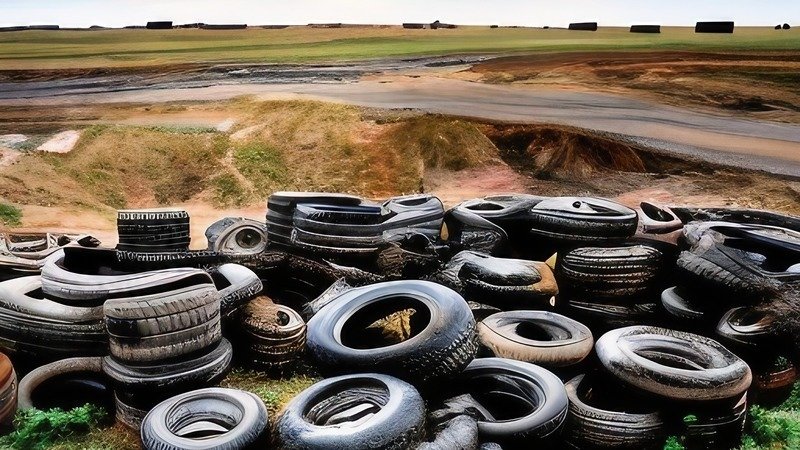
According to a study by Emissions Analytics, tyre wear is now a significant contributor to particle pollution, producing nearly 2,000 times more particle pollution than modern car exhausts. Tyre particles contain toxic organic compounds, including carcinogens, which can contaminate the air, water, and soil, making tyre pollution a growing concern for regulators.
These findings have been echoed by David Pett of Stop the Wensum Link campaign group, who is opposed to the construction of the Norwich Western Link road. "Norfolk County Council supports the construction of the Norwich Western Link road as a solution to carbon emissions and air pollution by advocating for an increase in electric cars. According to a study by Emissions Analytics, tyre wear is now a significant contributor to particle pollution, producing nearly 2,000 times more particle pollution than modern car exhausts."
The weight of cars has increased, leading to more emissions being generated as tyres wear down on the road. The study revealed that tyres produce over 1tn ultrafine particles, which can enter organs via the bloodstream and are not currently regulated in either the EU or US. According to Nick Molden, Emissions Analytics' CEO, tyre wear releases approximately 300,000 tonnes of tyre rubber into the environment every year in the UK and US from cars and vans alone.
The issue of tyre pollution is a growing concern for environmentalists, as it poses a significant threat to public health. The microscopic particles released by tyres can cause respiratory problems, heart disease, and even cancer. While electric cars may help to reduce carbon emissions, they will not solve the problem of tyre pollution.
Regulators and manufacturers need to take action to address this issue by finding alternatives to traditional tyres or developing new technologies to reduce the amount of wear on them. Without immediate action, tyre pollution will continue to be a growing threat to public health in the years to come.