STOP 🛑 PLEASE! UNLEASH YOUR INNER CHUCK NORRIS!

STOP 🛑 PLEASE! UNLEASH YOUR INNER CHUCK NORRIS!
The Issue
UNLEASH YOUR INNER CHUCK NORRIS . THE PATH BEGINS HERE.
The world is facing various challenges, such as relationship conflicts and societal unrest, that cause human suffering. I encourage you to read the attached article for a solution to counter hate and promote respect. By following the principles in the article, we can use peace and love as tools to fight negativity with compassion.
Survivability in our world has become increasingly challenging because of the prevalence of judgment, distrust, and quickness to attack those with differing beliefs. Conflicts often escalate into verbal, emotional, or physical attacks, worsening the situation. I propose the use of "STOP 🛑 PLEASE!" as a tool to de-escalate these situations.
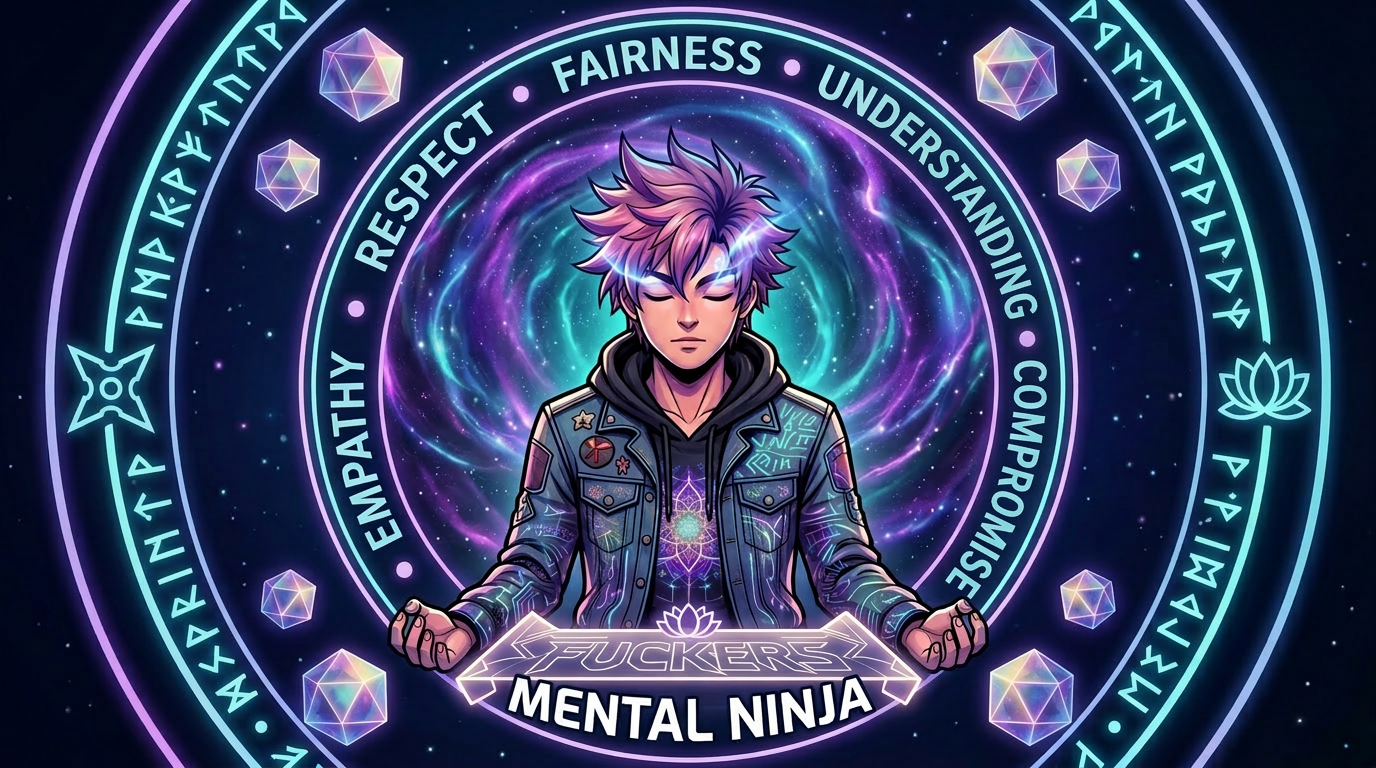
When you feel angry, think of "STOP 🛑 PLEASE!": fairness, understanding, compromise, kindness, empathy, and respect. Reflecting on these words can stop anger and violence. It helps you protect yourself and calm down. Think of it as a toolkit for managing emotions and keeping relationships healthy.
Life presents challenges such as power struggles, job loss, breakups, and strained relationships. Negative emotions and behaviors like anger, ignorance, selfishness, and betrayal often cause these challenges. Other factors include jealousy, narcissism, indifference, disrespect, and false accusations. Fighting and conflict can lead to paranoia, hatred, and violence.
We can liken these conflicts between two children, representing “good” and “evil,” on a seesaw in a playground or a garden. They are in a relationship and could be friends, partners, or siblings. They appear to be identical twins, which makes distinguishing between them challenging. Initially, their interaction may seem enjoyable and harmonious, but eventually, one of them exerts more force, creating an imbalance. This imbalance leads to escalating hostility and conflict as each side strives to assert its righteousness over the other.
Some actions produce both positive and negative consequences, often called a "double-effect." People might commit harmful acts, believing the ultimate result will be positive. Although some may see their actions as wrong, moral considerations motivated them. To determine validity, we must consider whether the motive was good, the positive effects outweigh the negative ones, and the action itself was morally good or neutral. A common example would be whether to punish a child who misbehaves.
If the dispute isn't resolved, the parties may label each other as "good" or "evil" out of hatred from a broken friendship or relationship. This lack of resolution is often because of unfairness, lack of understanding, and unwillingness to compromise, combined with a strong desire to defeat enemies and emerge victorious.
When someone feels threatened, they can either back off or confront the situation. Confrontation might lead to verbal, emotional, or physical abuse. Instead of fleeing or fighting, suggest standing your ground and calmly saying, "STOP 🛑 PLEASE!" Listen to their concerns and aim for a compromise. Stay calm and avoid name-calling or violence, even if they are misbehaving.
Remember that words can cause harm. Avoid put-downs, insults, and cursing. Using psychological terms, diagnoses, or political jargon to label and judge others can be just as hurtful as name-calling. Focus on the actual issue at hand. If you can't agree, agree to disagree and take a break. If others don't respect your boundaries, tell them to "STOP 🛑 PLEASE!"
Fairness: We aim to treat everyone equally and regarding creating a fair environment. Fairness is important in our interactions to make sure every voice is heard and valued. People are sensitive to unfairness from a young age. Even small injustices can upset adults, making them feel disrespected. It's crucial to think about what is fair to all parties involved to establish a healthy dynamic.
Understanding: To build strong relationships, understanding is crucial. We promote empathy and active listening to develop a culture of deep connection and support. When upset, people may get aggressive to prove their point, causing arguments. Instead of attacking, try to understand the other person's perspective by asking questions to uncover their beliefs and feelings.
Compromise: Is essential for harmony in life. Open dialogue and collaboration help individuals find common ground and work towards shared goals. Understanding fairness and the other person's perspective is key to reaching a compromise. In relationships, both parties need to give up something or take turns. Strive to find a middle ground for a successful compromise.
Kindness: Is a powerful force, but often perceived as weakness, but it can change lives positively. It requires acting with mindfulness and appreciating others' thoughts and feelings and leads to a tactful approach to communicating out ideas without attacking and putting down others.
Empathy: Empathy goes beyond simply feeling sympathy; it calls for action. Try to understand the other person's perspective and actively offer your support. Engaging in shared activities, such as taking a walk together, can foster a connection and produce a safe space for open communication.
Respect: it's crucial to remember that anger can escalate to rage, which increases the risk of violence. Maintaining respect for one another is paramount. Please refrain from any form of physical or verbal aggression. If you feel rage building within you, it's important to take a break and remove yourself from the situation.
*STOP 🛑 PLEASE!* At the first sign of unkindness or disrespect, stop, slow down, and separate to find serenity. Continued discussion at that point is unproductive and may lead to abuse, violence, and hate. If you feel overwhelmed by rage, try calming your body to relax your mind. Take a time-out of at least 15 minutes. Once calm, you can try discussing the issues again.
We are all bombarded with messages that try to shape our thoughts and beliefs. These messages come from different sources as educational materials, political propaganda, and social media. They aim to persuade us with the goal of financial gain or power. This constant flow of persuasive content can be overwhelming and cause stress. It may lead to feelings of unease. Many people desire a simpler and more peaceful life that aligns with their values and lets them decide at their own pace.
Remember to consider how others see your approach when sharing ideas. Being too assertive or aggressive may not be helpful. Change needs time, and we should respect each person's pace. STOP 🛑 PLEASE! focuses on accepting others and aiding their growth through challenges.
The forceful imposition of opinions and attacks on others only makes further division. Regardless of individual beliefs, strongly held ideologies can lead to irreparable schisms. Harassing those who do not conform to your beliefs will alienate and diminish support.
When threatened, individuals will naturally reject the ideas of those they perceive as forcing an agenda upon them. This perceived attack fosters resistance and closes them off to alternative perspectives. No matter what you believe, your "isms"(strongly held ideas and beliefs) can lead to schisms (irreversible divisions).
Today, the issue is that online negativity influences individuals to take sides quickly. Constant exposure to harmful content can lead to a dangerous level of belief and a surge in violence and hate.
Social media platforms, in allowing the spread of propaganda and hateful messages, have unfortunately contributed to this growing problem. As a result, many individuals have become less understanding, more accusatory, and unwilling to compromise.
People often see love and hate as good and evil, but choosing sides can fuel animosity. Instead, we should aim to resolve conflicts and seek balance. Prioritizing peace and understanding can foster love, compassion, respect, and appreciation. It's important to confront self-righteousness and overbearing behavior.
I believe we could significantly improve things by intentionally teaching children and adults the concept of “STOP 🛑 PLEASE! I believe schools should be required to teach interpersonal skills, conflict resolution, and emotional intelligence, and they should give these skills the same importance as core subjects. STOP 🛑 PLEASE: Students Teaching Others Peace, Love, Empathy, Acceptance, Safety, and Equality.
The school environment is toxic, competitive, and uncaring. Violence, drug use, and school shootings are common issues. These problems continue into adulthood, making healthy relationships challenging and causing loneliness. Teaching "STOP 🛑 PLEASE: FUCKERS!" principles early on may help reduce bullying, hate, violence, and school shootings.
Just as we teach children to ride a bicycle, we can teach them the values of fairness, understanding, compromise, kindness, empathy, and respect, along with the concept of "STOP 🛑 PLEASE!" While this learning process will take time, practice, and may involve setbacks, it's crucial that we instill these values in our children.
I want to delve into human relationships by looking at emotional reactions. Let's use a simple scenario to show how we react to human suffering. Imagine you're at a school playground, watching kids play. A child falls and hurts their knee. You see blood and have the option to help. We can classify your response as "good" or "evil." Let's talk about the different reactions and the emotions behind them.
"GOOD" RESPONSES:
Pity is a short, distant recognition of a dangerous situation, like saying, "That sucks." Sympathy is a passive form of concern shown through kind gestures, like asking, "Are you okay?" Empathy means offering help while still expecting the person to resolve the issue on their own. For instance, giving a bandage without putting it on.
Compassion means taking full responsibility for helping someone in need. For instance, bringing them to a nurse for care. Love is when you will sacrifice for someone else's well-being. For example, a parent rushing to help their child.
"EVIL" RESPONSES:
Ignorance means being unaware of the situation. When asked, the response is usually "What happened?"
Apathy happens when someone sees a situation but doesn't feel motivated to act or thinks it's not their duty. For example, like a driver who slows down to see a car accident but drives on without helping. Seeing too much negative news can make people feel indifferent, desensitized, and apathetic towards others' pain.
Indifference happens when we acknowledge the situation but downplay its importance. For instance, saying, "Kids fall all the time. What's the difference?" Spitefulness occurs when we blame the victim. For example, saying, "It's your fault for not paying attention while running. If you had been more careful, you wouldn't have fallen."
Hate is when you harm someone on purpose, usually out of anger, jealousy, or self-righteousness. It involves having negative thoughts and feelings towards someone and acting on them.
Hate can cause teasing, bullying, abuse, and violence. In extreme cases, hate can lead to war. Love is stronger because it can give give birth to life, and hate destroys life. Hate lasts longer and spreads easier. Lack of love or rejection can lead to hate. Be cautious of hate spreaders; they don't show love even to their supporters. Haters want you to love only them through their hate.
Idealistic thinkers often promote unconditional love in relationships. However, it may not always be realistic or attainable. No one, not even our parents, can love us unconditionally all the time. Parents have expectations of their children from infancy, which increase as the child grows.
Parents may impose consequences or label children as deficient if they cannot meet these expectations. Expecting unconditional love from others can be unrealistic and demanding. It can also be a manipulative tactic to maintain a relationship, regardless of one's actions. If someone believes your actions were wrong, expecting unconditional love could be a way to guilt them into staying in a potentially abusive relationship.
"Love bombing" is when someone abuses the word "love" and insincerely, especially in the beginning of a relationship. This behavior could be a warning sign, possibly used by manipulative people. Be careful if someone claims to love you too fast and without a proper basis.
It is a rare and precious gift to find enduring, lifelong love, which many dream of. Losing love, whether through a breakup, divorce, or death, causes deep suffering and psychological pain that most people will go through in their lives.
Fear is powerful, but do not fear love. Love is precious and empowering. Our souls need love to survive. Love sustains us like the sun. We cannot control it. Love and the sun can burn us, so we must respect their power and live in harmony with them.
Embracing love and respecting its power brings rewards. It helps nurture relationships, build powerful communities, and live life fully. Love motivates us to care for and protect our loved ones, making it a vital reason to live.
We have different expectations of friends and partners. We expect more from partners. When visiting a hospital or doctor, we expect compassion from healthcare professionals, even in brief interactions. As patients, we believe we deserve compassion and respect.
The analogy compares a nurse's care to a loved one's love. Nurses provide professional care, while loved ones show affection through special acts like organ donation. This highlights the difference between professional duty and genuine love.
Relationship dynamics are complex and influenced by emotional needs and actions of others. Feeling valued and appreciated fosters positive connections. Consistently invalidating others' emotional needs can lead to resentment and harmful behaviors.
Unresolved tension in a relationship can lead to a breakup, divorce, or ghosting. Even well-meaning people may say hurtful things during conflicts. Sometimes, criticism is honest, though it's hard to hear.
In relationships, love and hate dynamics are complex. Lack of boundaries can lead to enabling and reinforcing harmful behavior. Understanding how love and hate interact is crucial for finding balance. Focusing too much on one extreme can worsen things, as not all love is good and not all hate is evil.
Good and evil, love and hate, are on a spectrum. Emotions in a relationship can shift between these. Relationships often end with negative feelings, like anger and hate.
There are countless belief systems and scientific theories that seek to explain the origins of the universe. It's important to appreciate our existence and learn to peacefully coexist to find success and happiness in life.
Human life is a series of relationships. It starts with our parents, then teachers, and many others we meet. These relationships shape our life story. Love is crucial for a rich life. To be happy, we must cherish and nurture our relationships.
The pursuit of healthy relationships brings us emotional and physical closeness and awakens our passions. This energy ignites our spirit and sustains our souls, acting as a vital force in an otherwise cold and empty universe. Conversely, when we isolate, abandon, or "ghost" others, we dissociate and experience a profound loss of love and emptiness.
Isolation can lead to suffering as anxiety, depression, substance abuse, self-harm, and suicide. We should appreciate connection as much as independence. If we misuse our freedom to harm others, we may promote malevolence and loneliness.
The phrase "STOP 🛑 PLEASE!" embodies the principles of fairness, understanding, compromise, kindness, empathy, and respect. These principles can strengthen connections and foster harmony in society. Respecting boundaries and collaborating can drive progress and unity. Yielding and taking turns, like at a crossroads, can prevent conflicts and steer interactions positively.
Thank you for learning more about the message of "STOP 🛑 PLEASE!" for a more understanding world. Let's work together to replace anger and hate with consideration and cooperation. Join us in making a positive difference with "STOP 🛑 PLEASE!"
NO BEAUTY SHINES BRIGHTER THAN THAT OF A GOOD HEART
Https://www.Change.Org/p/no-Beauty-Shines-Brighter-Than-That-Of-A-Good-Heart
कोई भी सुन्दरता अच्छे हृदय से अधिक चमकती नहीं है।
لا يوجد جمال أكثر إشراقا من جمال القلب الطيب
Nessuna Bellezza Splende Più Di Quella Di Un Buon Cuore
"עצור, בבקשה!" וזכור, טוב ורע תלויים בך ועניין של פרספקטיבה
Няма Прыгажосці, Якая Ззяе Ярчэй За Прыгажосць Добрага Сэрца
Ninguna Belleza Brilla Más Que La De Un Buen Corazón
একটি ভালো হৃদয়ের চেয়ে উজ্জ্বল আর কোন সৌন্দর্য নেই।
ไม่มีความงามใดที่ส่องสว่างไปกว่าจิตใจที่ดี
Нет Красоты Ярче, Чем Красота Доброго Сердца
좋은 마음보다 더 밝게 빛나는 아름다움은 없습니다
没有什么比一颗善良的心更闪耀
Aucune Beauté Ne Brille Plus Que Celle D’un Bon Cœur
Không Có Vẻ Đẹp Nào Tỏa Sáng Hơn Vẻ Đẹp Của Một Trái Tim Nhân Hậu
Tiada Kecantikan Lebih Bersinar Daripada Hati Yang Baik
Καμία Ομορφιά Δεν Λάμπει Πιο Λαμπρά Από Αυτή Μιας Καλής Καρδιάς
Geen Schoonheid Schittert Helderder Dan Die Van Een Goed Hart
Keine Schönheit Strahlt Heller Als Die Eines Guten Herzens
善良な心ほど輝く美しさはありません

1,254
The Issue
UNLEASH YOUR INNER CHUCK NORRIS . THE PATH BEGINS HERE.
The world is facing various challenges, such as relationship conflicts and societal unrest, that cause human suffering. I encourage you to read the attached article for a solution to counter hate and promote respect. By following the principles in the article, we can use peace and love as tools to fight negativity with compassion.
Survivability in our world has become increasingly challenging because of the prevalence of judgment, distrust, and quickness to attack those with differing beliefs. Conflicts often escalate into verbal, emotional, or physical attacks, worsening the situation. I propose the use of "STOP 🛑 PLEASE!" as a tool to de-escalate these situations.
When you feel angry, think of "STOP 🛑 PLEASE!": fairness, understanding, compromise, kindness, empathy, and respect. Reflecting on these words can stop anger and violence. It helps you protect yourself and calm down. Think of it as a toolkit for managing emotions and keeping relationships healthy.
Life presents challenges such as power struggles, job loss, breakups, and strained relationships. Negative emotions and behaviors like anger, ignorance, selfishness, and betrayal often cause these challenges. Other factors include jealousy, narcissism, indifference, disrespect, and false accusations. Fighting and conflict can lead to paranoia, hatred, and violence.
We can liken these conflicts between two children, representing “good” and “evil,” on a seesaw in a playground or a garden. They are in a relationship and could be friends, partners, or siblings. They appear to be identical twins, which makes distinguishing between them challenging. Initially, their interaction may seem enjoyable and harmonious, but eventually, one of them exerts more force, creating an imbalance. This imbalance leads to escalating hostility and conflict as each side strives to assert its righteousness over the other.
Some actions produce both positive and negative consequences, often called a "double-effect." People might commit harmful acts, believing the ultimate result will be positive. Although some may see their actions as wrong, moral considerations motivated them. To determine validity, we must consider whether the motive was good, the positive effects outweigh the negative ones, and the action itself was morally good or neutral. A common example would be whether to punish a child who misbehaves.
If the dispute isn't resolved, the parties may label each other as "good" or "evil" out of hatred from a broken friendship or relationship. This lack of resolution is often because of unfairness, lack of understanding, and unwillingness to compromise, combined with a strong desire to defeat enemies and emerge victorious.
When someone feels threatened, they can either back off or confront the situation. Confrontation might lead to verbal, emotional, or physical abuse. Instead of fleeing or fighting, suggest standing your ground and calmly saying, "STOP 🛑 PLEASE!" Listen to their concerns and aim for a compromise. Stay calm and avoid name-calling or violence, even if they are misbehaving.
Remember that words can cause harm. Avoid put-downs, insults, and cursing. Using psychological terms, diagnoses, or political jargon to label and judge others can be just as hurtful as name-calling. Focus on the actual issue at hand. If you can't agree, agree to disagree and take a break. If others don't respect your boundaries, tell them to "STOP 🛑 PLEASE!"
Fairness: We aim to treat everyone equally and regarding creating a fair environment. Fairness is important in our interactions to make sure every voice is heard and valued. People are sensitive to unfairness from a young age. Even small injustices can upset adults, making them feel disrespected. It's crucial to think about what is fair to all parties involved to establish a healthy dynamic.
Understanding: To build strong relationships, understanding is crucial. We promote empathy and active listening to develop a culture of deep connection and support. When upset, people may get aggressive to prove their point, causing arguments. Instead of attacking, try to understand the other person's perspective by asking questions to uncover their beliefs and feelings.
Compromise: Is essential for harmony in life. Open dialogue and collaboration help individuals find common ground and work towards shared goals. Understanding fairness and the other person's perspective is key to reaching a compromise. In relationships, both parties need to give up something or take turns. Strive to find a middle ground for a successful compromise.
Kindness: Is a powerful force, but often perceived as weakness, but it can change lives positively. It requires acting with mindfulness and appreciating others' thoughts and feelings and leads to a tactful approach to communicating out ideas without attacking and putting down others.
Empathy: Empathy goes beyond simply feeling sympathy; it calls for action. Try to understand the other person's perspective and actively offer your support. Engaging in shared activities, such as taking a walk together, can foster a connection and produce a safe space for open communication.
Respect: it's crucial to remember that anger can escalate to rage, which increases the risk of violence. Maintaining respect for one another is paramount. Please refrain from any form of physical or verbal aggression. If you feel rage building within you, it's important to take a break and remove yourself from the situation.
*STOP 🛑 PLEASE!* At the first sign of unkindness or disrespect, stop, slow down, and separate to find serenity. Continued discussion at that point is unproductive and may lead to abuse, violence, and hate. If you feel overwhelmed by rage, try calming your body to relax your mind. Take a time-out of at least 15 minutes. Once calm, you can try discussing the issues again.
We are all bombarded with messages that try to shape our thoughts and beliefs. These messages come from different sources as educational materials, political propaganda, and social media. They aim to persuade us with the goal of financial gain or power. This constant flow of persuasive content can be overwhelming and cause stress. It may lead to feelings of unease. Many people desire a simpler and more peaceful life that aligns with their values and lets them decide at their own pace.
Remember to consider how others see your approach when sharing ideas. Being too assertive or aggressive may not be helpful. Change needs time, and we should respect each person's pace. STOP 🛑 PLEASE! focuses on accepting others and aiding their growth through challenges.
The forceful imposition of opinions and attacks on others only makes further division. Regardless of individual beliefs, strongly held ideologies can lead to irreparable schisms. Harassing those who do not conform to your beliefs will alienate and diminish support.
When threatened, individuals will naturally reject the ideas of those they perceive as forcing an agenda upon them. This perceived attack fosters resistance and closes them off to alternative perspectives. No matter what you believe, your "isms"(strongly held ideas and beliefs) can lead to schisms (irreversible divisions).
Today, the issue is that online negativity influences individuals to take sides quickly. Constant exposure to harmful content can lead to a dangerous level of belief and a surge in violence and hate.
Social media platforms, in allowing the spread of propaganda and hateful messages, have unfortunately contributed to this growing problem. As a result, many individuals have become less understanding, more accusatory, and unwilling to compromise.
People often see love and hate as good and evil, but choosing sides can fuel animosity. Instead, we should aim to resolve conflicts and seek balance. Prioritizing peace and understanding can foster love, compassion, respect, and appreciation. It's important to confront self-righteousness and overbearing behavior.
I believe we could significantly improve things by intentionally teaching children and adults the concept of “STOP 🛑 PLEASE! I believe schools should be required to teach interpersonal skills, conflict resolution, and emotional intelligence, and they should give these skills the same importance as core subjects. STOP 🛑 PLEASE: Students Teaching Others Peace, Love, Empathy, Acceptance, Safety, and Equality.
The school environment is toxic, competitive, and uncaring. Violence, drug use, and school shootings are common issues. These problems continue into adulthood, making healthy relationships challenging and causing loneliness. Teaching "STOP 🛑 PLEASE: FUCKERS!" principles early on may help reduce bullying, hate, violence, and school shootings.
Just as we teach children to ride a bicycle, we can teach them the values of fairness, understanding, compromise, kindness, empathy, and respect, along with the concept of "STOP 🛑 PLEASE!" While this learning process will take time, practice, and may involve setbacks, it's crucial that we instill these values in our children.
I want to delve into human relationships by looking at emotional reactions. Let's use a simple scenario to show how we react to human suffering. Imagine you're at a school playground, watching kids play. A child falls and hurts their knee. You see blood and have the option to help. We can classify your response as "good" or "evil." Let's talk about the different reactions and the emotions behind them.
"GOOD" RESPONSES:
Pity is a short, distant recognition of a dangerous situation, like saying, "That sucks." Sympathy is a passive form of concern shown through kind gestures, like asking, "Are you okay?" Empathy means offering help while still expecting the person to resolve the issue on their own. For instance, giving a bandage without putting it on.
Compassion means taking full responsibility for helping someone in need. For instance, bringing them to a nurse for care. Love is when you will sacrifice for someone else's well-being. For example, a parent rushing to help their child.
"EVIL" RESPONSES:
Ignorance means being unaware of the situation. When asked, the response is usually "What happened?"
Apathy happens when someone sees a situation but doesn't feel motivated to act or thinks it's not their duty. For example, like a driver who slows down to see a car accident but drives on without helping. Seeing too much negative news can make people feel indifferent, desensitized, and apathetic towards others' pain.
Indifference happens when we acknowledge the situation but downplay its importance. For instance, saying, "Kids fall all the time. What's the difference?" Spitefulness occurs when we blame the victim. For example, saying, "It's your fault for not paying attention while running. If you had been more careful, you wouldn't have fallen."
Hate is when you harm someone on purpose, usually out of anger, jealousy, or self-righteousness. It involves having negative thoughts and feelings towards someone and acting on them.
Hate can cause teasing, bullying, abuse, and violence. In extreme cases, hate can lead to war. Love is stronger because it can give give birth to life, and hate destroys life. Hate lasts longer and spreads easier. Lack of love or rejection can lead to hate. Be cautious of hate spreaders; they don't show love even to their supporters. Haters want you to love only them through their hate.
Idealistic thinkers often promote unconditional love in relationships. However, it may not always be realistic or attainable. No one, not even our parents, can love us unconditionally all the time. Parents have expectations of their children from infancy, which increase as the child grows.
Parents may impose consequences or label children as deficient if they cannot meet these expectations. Expecting unconditional love from others can be unrealistic and demanding. It can also be a manipulative tactic to maintain a relationship, regardless of one's actions. If someone believes your actions were wrong, expecting unconditional love could be a way to guilt them into staying in a potentially abusive relationship.
"Love bombing" is when someone abuses the word "love" and insincerely, especially in the beginning of a relationship. This behavior could be a warning sign, possibly used by manipulative people. Be careful if someone claims to love you too fast and without a proper basis.
It is a rare and precious gift to find enduring, lifelong love, which many dream of. Losing love, whether through a breakup, divorce, or death, causes deep suffering and psychological pain that most people will go through in their lives.
Fear is powerful, but do not fear love. Love is precious and empowering. Our souls need love to survive. Love sustains us like the sun. We cannot control it. Love and the sun can burn us, so we must respect their power and live in harmony with them.
Embracing love and respecting its power brings rewards. It helps nurture relationships, build powerful communities, and live life fully. Love motivates us to care for and protect our loved ones, making it a vital reason to live.
We have different expectations of friends and partners. We expect more from partners. When visiting a hospital or doctor, we expect compassion from healthcare professionals, even in brief interactions. As patients, we believe we deserve compassion and respect.
The analogy compares a nurse's care to a loved one's love. Nurses provide professional care, while loved ones show affection through special acts like organ donation. This highlights the difference between professional duty and genuine love.
Relationship dynamics are complex and influenced by emotional needs and actions of others. Feeling valued and appreciated fosters positive connections. Consistently invalidating others' emotional needs can lead to resentment and harmful behaviors.
Unresolved tension in a relationship can lead to a breakup, divorce, or ghosting. Even well-meaning people may say hurtful things during conflicts. Sometimes, criticism is honest, though it's hard to hear.
In relationships, love and hate dynamics are complex. Lack of boundaries can lead to enabling and reinforcing harmful behavior. Understanding how love and hate interact is crucial for finding balance. Focusing too much on one extreme can worsen things, as not all love is good and not all hate is evil.
Good and evil, love and hate, are on a spectrum. Emotions in a relationship can shift between these. Relationships often end with negative feelings, like anger and hate.
There are countless belief systems and scientific theories that seek to explain the origins of the universe. It's important to appreciate our existence and learn to peacefully coexist to find success and happiness in life.
Human life is a series of relationships. It starts with our parents, then teachers, and many others we meet. These relationships shape our life story. Love is crucial for a rich life. To be happy, we must cherish and nurture our relationships.
The pursuit of healthy relationships brings us emotional and physical closeness and awakens our passions. This energy ignites our spirit and sustains our souls, acting as a vital force in an otherwise cold and empty universe. Conversely, when we isolate, abandon, or "ghost" others, we dissociate and experience a profound loss of love and emptiness.
Isolation can lead to suffering as anxiety, depression, substance abuse, self-harm, and suicide. We should appreciate connection as much as independence. If we misuse our freedom to harm others, we may promote malevolence and loneliness.
The phrase "STOP 🛑 PLEASE!" embodies the principles of fairness, understanding, compromise, kindness, empathy, and respect. These principles can strengthen connections and foster harmony in society. Respecting boundaries and collaborating can drive progress and unity. Yielding and taking turns, like at a crossroads, can prevent conflicts and steer interactions positively.
Thank you for learning more about the message of "STOP 🛑 PLEASE!" for a more understanding world. Let's work together to replace anger and hate with consideration and cooperation. Join us in making a positive difference with "STOP 🛑 PLEASE!"
NO BEAUTY SHINES BRIGHTER THAN THAT OF A GOOD HEART
Https://www.Change.Org/p/no-Beauty-Shines-Brighter-Than-That-Of-A-Good-Heart
कोई भी सुन्दरता अच्छे हृदय से अधिक चमकती नहीं है।
لا يوجد جمال أكثر إشراقا من جمال القلب الطيب
Nessuna Bellezza Splende Più Di Quella Di Un Buon Cuore
"עצור, בבקשה!" וזכור, טוב ורע תלויים בך ועניין של פרספקטיבה
Няма Прыгажосці, Якая Ззяе Ярчэй За Прыгажосць Добрага Сэрца
Ninguna Belleza Brilla Más Que La De Un Buen Corazón
একটি ভালো হৃদয়ের চেয়ে উজ্জ্বল আর কোন সৌন্দর্য নেই।
ไม่มีความงามใดที่ส่องสว่างไปกว่าจิตใจที่ดี
Нет Красоты Ярче, Чем Красота Доброго Сердца
좋은 마음보다 더 밝게 빛나는 아름다움은 없습니다
没有什么比一颗善良的心更闪耀
Aucune Beauté Ne Brille Plus Que Celle D’un Bon Cœur
Không Có Vẻ Đẹp Nào Tỏa Sáng Hơn Vẻ Đẹp Của Một Trái Tim Nhân Hậu
Tiada Kecantikan Lebih Bersinar Daripada Hati Yang Baik
Καμία Ομορφιά Δεν Λάμπει Πιο Λαμπρά Από Αυτή Μιας Καλής Καρδιάς
Geen Schoonheid Schittert Helderder Dan Die Van Een Goed Hart
Keine Schönheit Strahlt Heller Als Die Eines Guten Herzens
善良な心ほど輝く美しさはありません
1,254
The Decision Makers

Supporter Voices
Share this petition
Petition created on May 2, 2024