
Stop Exporting Waste to Developing Countries – Take Responsibility at Home
The Issue
Every year, developed nations export millions of tons of waste to developing countries—a practice that devastates communities, harms the environment, and perpetuates global inequality. This not only endangers the health of people in receiving countries but also allows exporting nations to shirk their responsibility for managing waste responsibly.
Plastic Pollution: An Unjust Burden
Recent reports show that Western countries ship nearly 70% of their plastic waste to low-income countries in Southeast Asia and Africa, many of which lack the infrastructure to manage it safely. As a result, these nations face severe pollution: plastic clogs waterways, harms wildlife, and infiltrates the food chain. In Malaysia alone, Greenpeace reports that imported plastic waste has caused widespread environmental degradation, threatening biodiversity and damaging agriculture and fisheries.
This practice is deeply unjust. Developing countries are forced to bear the burden of waste they did not produce, often under hazardous and unsanitary conditions. It also accelerates climate change, as unrecycled waste is incinerated or replaced with newly manufactured materials, generating large amounts of greenhouse gas emissions
Proven Solutions Exist
There are proven alternatives. Germany has achieved a recycling rate above 65% through its Extended Producer Responsibility (EPR) system, which holds producers accountable for the entire lifecycle of their products. South Korea’s RFID-based pay-as-you-throw program cut direct landfill disposal of food waste by over 90%. Japan enforces strict waste separation and circular resource policies, creating one of the most advanced recycling frameworks in the world. These examples prove that strong policies and public participation can achieve measurable environmental progress.
A Call to Action
Governments of exporting countries must take responsibility by investing in sustainable recycling and waste management systems at home. Stricter regulations should ban the export of waste and hold violators accountable. Supporting innovative waste reduction and recycling technologies can create new jobs while lowering environmental footprints.
Sign the Petition
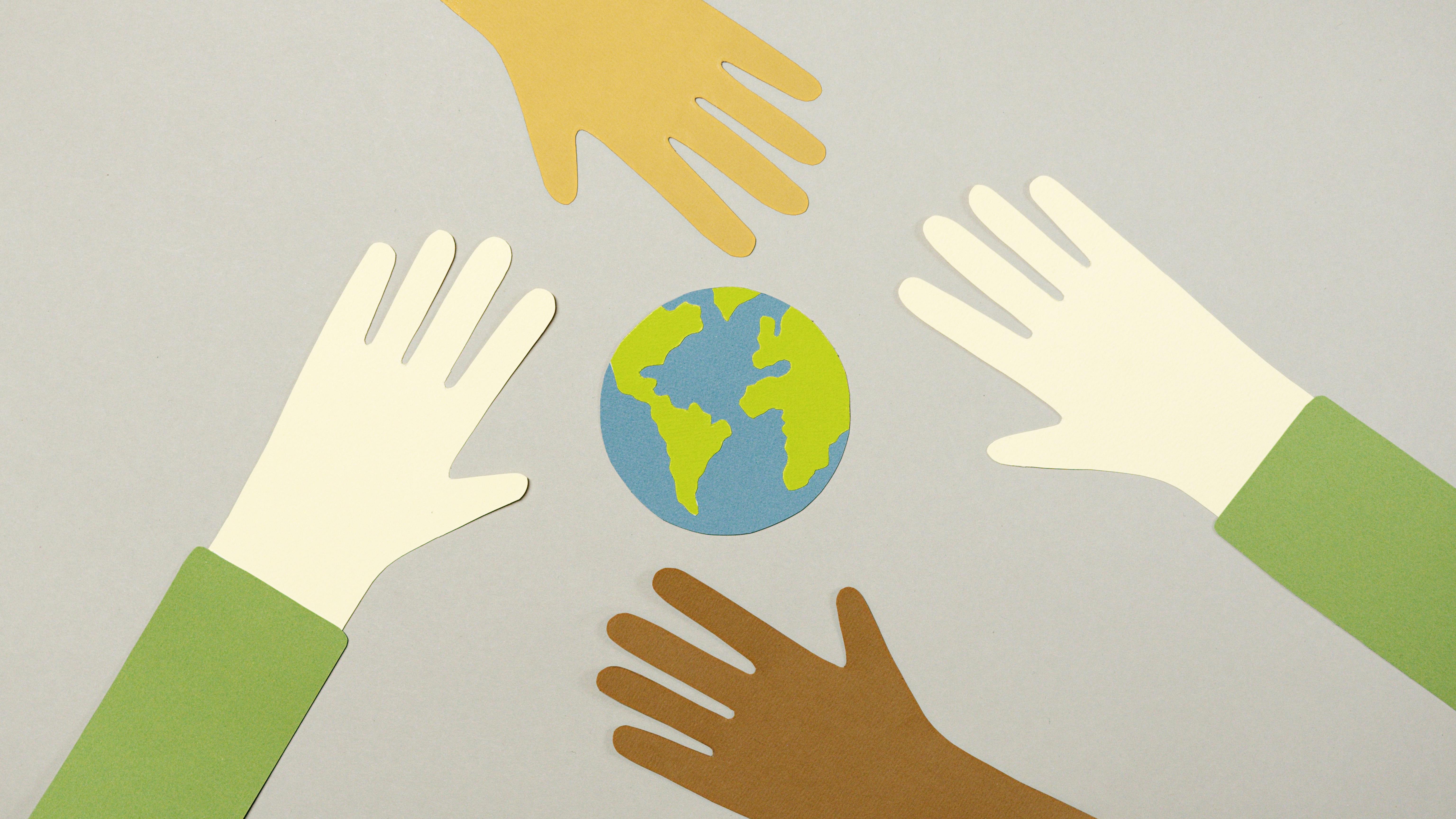
Sign this petition to demand that global leaders stop exporting waste to developing countries and adopt fair, sustainable waste management practices at home. Together, we can create a cleaner, safer, and more equitable world for everyone.

17
The Issue
Every year, developed nations export millions of tons of waste to developing countries—a practice that devastates communities, harms the environment, and perpetuates global inequality. This not only endangers the health of people in receiving countries but also allows exporting nations to shirk their responsibility for managing waste responsibly.
Plastic Pollution: An Unjust Burden
Recent reports show that Western countries ship nearly 70% of their plastic waste to low-income countries in Southeast Asia and Africa, many of which lack the infrastructure to manage it safely. As a result, these nations face severe pollution: plastic clogs waterways, harms wildlife, and infiltrates the food chain. In Malaysia alone, Greenpeace reports that imported plastic waste has caused widespread environmental degradation, threatening biodiversity and damaging agriculture and fisheries.
This practice is deeply unjust. Developing countries are forced to bear the burden of waste they did not produce, often under hazardous and unsanitary conditions. It also accelerates climate change, as unrecycled waste is incinerated or replaced with newly manufactured materials, generating large amounts of greenhouse gas emissions
Proven Solutions Exist
There are proven alternatives. Germany has achieved a recycling rate above 65% through its Extended Producer Responsibility (EPR) system, which holds producers accountable for the entire lifecycle of their products. South Korea’s RFID-based pay-as-you-throw program cut direct landfill disposal of food waste by over 90%. Japan enforces strict waste separation and circular resource policies, creating one of the most advanced recycling frameworks in the world. These examples prove that strong policies and public participation can achieve measurable environmental progress.
A Call to Action
Governments of exporting countries must take responsibility by investing in sustainable recycling and waste management systems at home. Stricter regulations should ban the export of waste and hold violators accountable. Supporting innovative waste reduction and recycling technologies can create new jobs while lowering environmental footprints.
Sign the Petition
Sign this petition to demand that global leaders stop exporting waste to developing countries and adopt fair, sustainable waste management practices at home. Together, we can create a cleaner, safer, and more equitable world for everyone.


Supporter Voices
Petition Updates
Share this petition
Petition created on September 6, 2025