

Stop eKYC for social media in Malaysia and promote digital literacy
The Issue
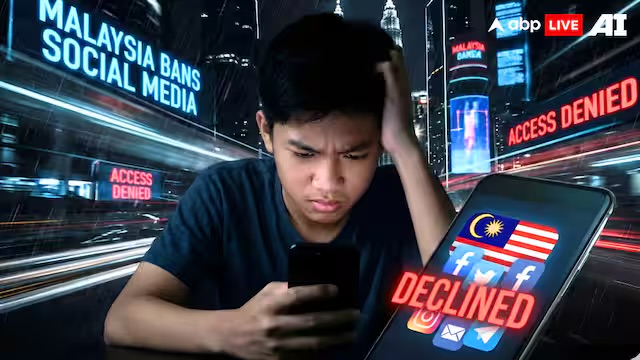
Recently, the Malaysian Government have been pushing for a social media ban for under 16s.
While this may sound good, the method of forcing users to submit their Government ID or Passports to the internet is a very dangerous idea.
Although we've been seeing countries like the UK forcing age verification on its citizens, it has already faced massive data breaches like Discord leaking around 70,000 users, some of which were children, essentially doxxing them and putting them at risk. As a matter of fact, predators attempted to buy the IDs of these children which increases child safety issues. If a predator gets hold of a child's ID, they can stalk and potentially kidnap these kids in real life. Even for adults, bad actors can commit identity theft and open false bank accounts. Let's respect our dignity, our safety and our privacy. The UK government has also arrested people who criticise the government with their ID laws, and now Malaysia wants to do the same? In a healthy democracy, we should be able to give legitimate criticism to governments without the fear of persecution. 30 people in the UK go to prison a day for a social media post while real life criminals walk free. Legitimate criticism is not to spread hate but to ask people to do better. Although I want to believe that the government wouldn't arrest people over things said on social media, power in excess only leads to an eventual abuse of a system and corruption.
Protecting children and trying to make the internet safe is important, yes, but not at the cost of privacy, freedom of speech and anonymity. Instead of forcing children to submit their IDs, we should instead create…
Mandatory digital literacy classes
Since some schools already have mandatory moral studies class/ computer science classes, we can probably teach children how to safely navigate the internet by teaching digital ethics, how to report content and how to deal with unknown contacts. Typically, countries with high digital literacy have medium to low cybercrimes and high cyber-capability
Examples: Finland, Netherlands, Japan,Sweden
Parental engagement
For parents or family members looking after children, we can encourage them to monitor what content children can consume, learn how to use parental controls and possibly teach them how to set time limits for children (Eg One hour social media/ game use after school at 5-6pm, a bit like family TV time)
Proper content moderation
Since some companies over rely on AI to do content moderation (which AI largely do not understand), it would be better to combine both AI and human moderation (Eg AI detects report, human checks content)
Mental Health Programs in schools and online that are accessible
In countries with high emphasis on mental health programs or strong culture of mental wellbeing, the happiness index are usually around medium to high levels and levels of violent crime are typically medium to low
Examples: Finland, Sweden, Netherlands
We want kids to be safe, but we want to do it in a way that’s smart, effective, doesn’t put kids in more risk and a long term solution. Even if the solutions are not immediate, it's better to have solutions that take time but are effective rather than 'solutions' that are fast but causes more harm than good
Here's an additional video explaining why: https://youtu.be/T8XtQdubJsc?si=tpHrQ9zyFsmi7-eD

154
The Issue
Recently, the Malaysian Government have been pushing for a social media ban for under 16s.
While this may sound good, the method of forcing users to submit their Government ID or Passports to the internet is a very dangerous idea.
Although we've been seeing countries like the UK forcing age verification on its citizens, it has already faced massive data breaches like Discord leaking around 70,000 users, some of which were children, essentially doxxing them and putting them at risk. As a matter of fact, predators attempted to buy the IDs of these children which increases child safety issues. If a predator gets hold of a child's ID, they can stalk and potentially kidnap these kids in real life. Even for adults, bad actors can commit identity theft and open false bank accounts. Let's respect our dignity, our safety and our privacy. The UK government has also arrested people who criticise the government with their ID laws, and now Malaysia wants to do the same? In a healthy democracy, we should be able to give legitimate criticism to governments without the fear of persecution. 30 people in the UK go to prison a day for a social media post while real life criminals walk free. Legitimate criticism is not to spread hate but to ask people to do better. Although I want to believe that the government wouldn't arrest people over things said on social media, power in excess only leads to an eventual abuse of a system and corruption.
Protecting children and trying to make the internet safe is important, yes, but not at the cost of privacy, freedom of speech and anonymity. Instead of forcing children to submit their IDs, we should instead create…
Mandatory digital literacy classes
Since some schools already have mandatory moral studies class/ computer science classes, we can probably teach children how to safely navigate the internet by teaching digital ethics, how to report content and how to deal with unknown contacts. Typically, countries with high digital literacy have medium to low cybercrimes and high cyber-capability
Examples: Finland, Netherlands, Japan,Sweden
Parental engagement
For parents or family members looking after children, we can encourage them to monitor what content children can consume, learn how to use parental controls and possibly teach them how to set time limits for children (Eg One hour social media/ game use after school at 5-6pm, a bit like family TV time)
Proper content moderation
Since some companies over rely on AI to do content moderation (which AI largely do not understand), it would be better to combine both AI and human moderation (Eg AI detects report, human checks content)
Mental Health Programs in schools and online that are accessible
In countries with high emphasis on mental health programs or strong culture of mental wellbeing, the happiness index are usually around medium to high levels and levels of violent crime are typically medium to low
Examples: Finland, Sweden, Netherlands
We want kids to be safe, but we want to do it in a way that’s smart, effective, doesn’t put kids in more risk and a long term solution. Even if the solutions are not immediate, it's better to have solutions that take time but are effective rather than 'solutions' that are fast but causes more harm than good
Here's an additional video explaining why: https://youtu.be/T8XtQdubJsc?si=tpHrQ9zyFsmi7-eD
The Decision Makers

Supporter Voices
Petition Updates
Share this petition
Petition created on 28 October 2025