Where We Are Now, The Work Continues on a Different Track

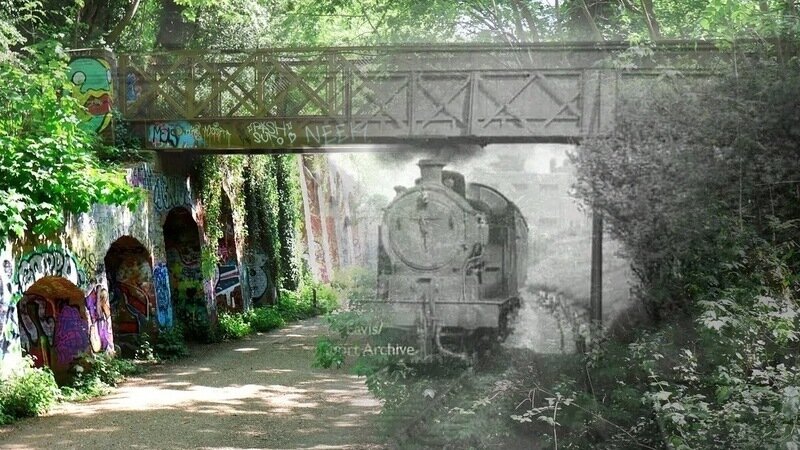
To everyone who has signed and shared this petition — thank you.
You have helped keep Parkland Walk visible when it could so easily have disappeared into process.
Since the recent planning approval, we have been exploring legal and procedural routes very carefully.
The initial Judicial Review route raised important questions, but the legal position is complex and the grounds are narrow. We are now continuing the work on a different track: through formal complaints, evidence gathering, policy pressure, and wider public scrutiny.
This case has never been only about one house.
It raises wider questions about how green edges are assessed, how long planning histories are treated, how trees and ecological loss are accounted for, and how decisions with years of public concern can still be handled without full public committee scrutiny.
The issues we are continuing to challenge include:
• the loss of trees and habitat being treated as background rather than consequence
• green space being reframed through planning language as if its relational and ecological value had disappeared
• delegated decisions being used in cases with long histories of public objection
• the difficulty communities face when trying to hold planning systems accountable
I have also begun writing about this wider work under the name Relational Activism — exploring what happens when care, ecology, grief and public systems meet.
My first Field Note is here:
Field Notes #1: From Highgate to the Fens — What Happens When Care Meets Systems
You can still help by:
Signing and sharing this petition:
https://www.change.org/p/stop-developer-led-abuse-from-highgate-to-the-fens
Supporting the legal fund if you are able:
https://www.gofundme.com/f/stop-secret-planning-at-parkland-walk-green-corridor-build
From Highgate to the Fens, the work continues.
Not only to defend particular places, but to ask how care for living places can survive systems that too often make that care difficult to sustain.
— Aisha Ali