
The Latest from IFALPA (The International Federation Of Air Line Pilots’ Association):
https://www.ifalpa.org/media/3141/18hupbl03-cabin-fumes.pdf?platform=hootsuite

The latest on the issue from BALPA (The British Air Line Pilots Association) on the link below.
You will see at the bottom of the page that BALPA state: ‘Our principle instrument for the investigation of health effects is the cabin air care pathway’.
What investigation into health effects they refer to is unclear. As far as we are aware there are no investigations, studies or research into contaminated air and the effects on health currently taking place in the U.K.
Fume Events are still occurring regularly. Airlines and Regulators continue to keep them hidden and are not informing passengers when a Fume Event has occurred.
It’s been 13 years since the former BALPA Chairman made his powerful speech on the issue - so why have BALPA changed their view from that of their previous Chairman?
https://vimeo.com/11111751
https://www.balpa.org/Positions/Cabin-Air-Quality
Click on Care Pathway which will take you to the CAA Website. When you get to the Fumes Events section you are taken to these pages which they refer to:
https://www.caa.co.uk/uploadedFiles/CAA/Content/Standard_Content/Passengers/Before_you_fly/Health/NHS%20CARE%20PATHWAY.pdf

https://www.caa.co.uk/uploadedFiles/CAA/Content/Standard_Content/Passengers/Before_you_fly/Health/170626%20Information%20sheet%20v7.pdf

Unfortunately this information has STILL not been given to NHS A&E departments and even if it was, the correct testing for these exposures is not available in NHS A&E departments - because the NHS, CAA and U.K. Government does not believe that contaminated air onboard aircraft can cause any health issues or long-term health effects to anyone. They also refuse to believe the evidence from scientific studies that contaminants/chemicals from aircraft oil can build up over time in the body of crew and frequent flyers leading to serious illnesses and death. The number of deaths of airline crew from cancer and heart attacks is extremely high. In any other industry an investigation would have been launched by now.
We keep hearing from the U.K. Government & the CAA that the levels of contaminants found onboard aircraft (from the Cranfield Study Of 2011 of just 100 flights) were very low and unlikely to cause harm. THERE SHOULD BE NO CONTAMINATION FROM AIRCRAFT OIL OR FROM ANY OTHER SOURCE WHATSOEVER ON ANY AIRCRAFT! Why do they think that contamination at ANY LEVEL is acceptable?
The other point being missed here is the number of aircraft flying each day and what is considered ‘low level’ to one person, may be extremely high to someone else. No one seems to know what these permitted levels actually are and being at altitude and in a pressurised environment are also not taken into account. There is NO monitoring of contamination on any aircraft anyway - so although acceptable/permitted levels may have been set, who knows what people are being exposed to and more importantly how any individual will react? This ‘one size fits all’ attitude is outrageous.
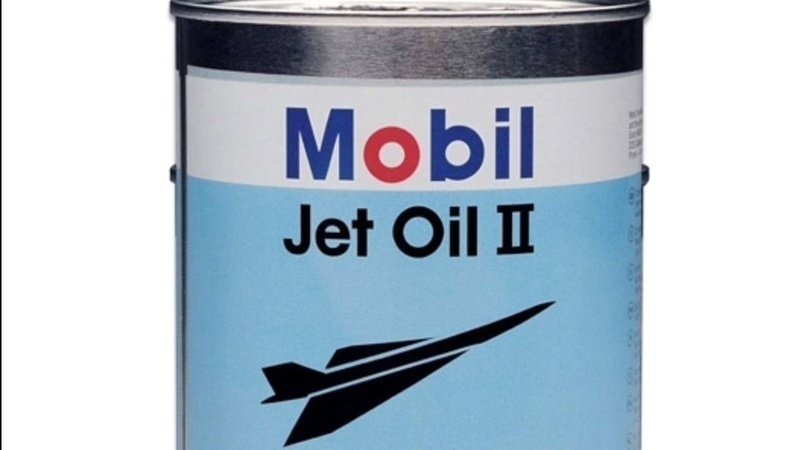
We are all different genetically and these harmful chemicals/toxins from aircraft oil (plus hydraulic fluid, de-icing fluid, disinsection sprays etc) with repeated low level exposure (let alone an onboard Fume Event) can and do build up in the body. When the body can no longer cope (when the liver is no longer able to process and eliminate the chemicals/toxins) health issues can occur.
This is from the Canadian Union of Transportation Employees and explains the issue succinctly:
https://cupe.ca/onboard-fume-events
NO READINGS OF CONTAMINANTS HAVE EVER BEEN RECORDED DURING A FUME EVENT ON ANY AIRCRAFT. For the establishment to claim that it is safe for passengers and crew to breathe contaminants during a Fume Event is also unacceptable.
Aerotoxic Syndrome remains as an unrecognised illness.
Dated 19th January 2018:
‘Aerotoxic Syndrome is not a medically recognised condition. Any patient presenting with chronic fatigue, respiratory problems or any other known symptom which could be associated with what has been described by some as “Aerotoxic Syndrome” would be treated using the appropriate Care Pathway for their specific medical diagnosis’.
⁃ Sir Bruce Keogh KBE, MD, DSc, FRCS, FRCP
National Medical Director - NHS England.
We know of passengers, crew and former crew (both Pilots and Flight Attendants) who have followed the CAA/NHS Care Pathway after exposure to toxic fumes onboard aircraft. No tests were conducted at St. Thomas’ Hospital - Clinical Toxicology Service Outpatient Clinic during their appointments. This is the final place to visit on this Care Pathway in order to get much needed answers, information and help.
Some have said: ‘It was a complete waste of time’. ‘It was just a chat about my symptoms - no tests were done’. ‘It could have been done over the phone’.
Why would the CAA introduce a Care Pathway through the NHS if no CARE can actually be given? The NHS doesn’t recognise Aerotoxic Syndrome so how could they possibly treat anyone presenting with it? NHS (England) will only treat each symptom separately as declared by their National Medical Director.
https://gavinpublishers.com/admin/assets/articles_pdf/1519819962new_article_pdf2072382190.pdf

http://www.itcoba.net/24MI11A.pdf

This is the testing required for anyone who has been involved in an aircraft fume event - but unfortunately it’s very doubtful you will receive this treatment under the NHS at this time:
https://www.aerotoxicteam.com/medical.html
From all of us campaigning for an end to contaminated air in aircraft cockpits and cabins, we wish you
A Merry Christmas & A Happy New Year.
If you have been in a Fume Event onboard an aircraft please complete the form on the link below:
http://fumes.dallasmcintosh.co.uk

If you are Crew please follow your Airline’s official reporting procedure. Ensure you keep a copy of all paperwork for yourself and forward a copy to your Union also. It’s also a good idea to keep a diary of any health effects as and when they happen.