Petition updateStop contaminated cabin air in aircraft!
THE SEARCH FOR TRUTH: The Aviation Medical Doctor/Adviser VS The Senior Boeing Engineer

Trudie DaddCrewkerne, ENG, United Kingdom
Jun 19, 2018
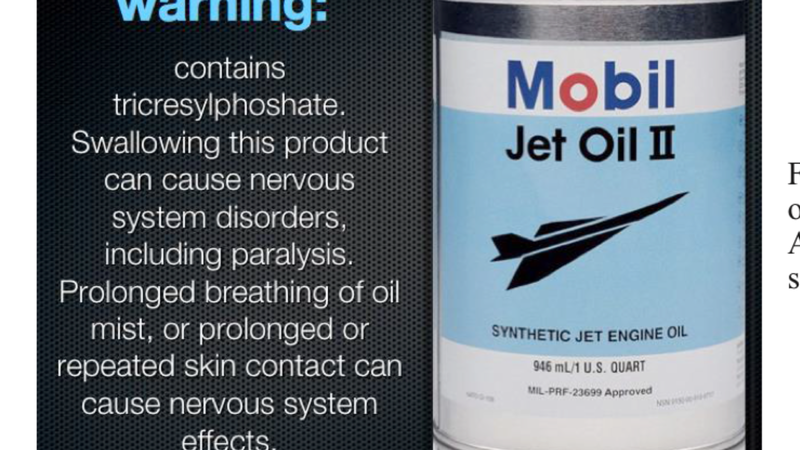
Mobil Jet II Aircraft Oil -
Dr. Michael Bagshaw - Former Chief Medical Officer, British Airways/ Professor of Aviation Medicine at King’s College Hospital, London/Gave Evidence to The House of Lords Select Committees on Aviation Health -
From the ‘British Airways Cabin Crew News - 03 October 2003’:
‘Medical—Fumes in the Cabin
Following a number of recent incidents in which oily smells have been detected in the aircraft cabin, it is recognised that there is understandable concern about the possible toxicity of these fumes. The preferred oil on the [Boeing] 757/767 fleet is Mobil Jet Oil II. This contains synthetic hydrocarbons and additives, including an organophosphate known as Tricresyl Phosphate (TCP), which acts as a high- pressure lubricant. Engine lubricating oil contains around 3% TCP. TCP is a toxic mixture that can cause a wide array of transitory or permanent neurological dysfunctions when swallowed. However there have been no recorded cases of neurological harm in humans following dermal or inhalation exposure. This means that the substance can be potentially harmful if swallowed in large enough quantity, but is not harmful if absorbed through the skin or breathed in. Exposure to large doses of some organophosphates by skin contact, inhalation or by swallowing may cause adverse effects on the nervous system. However not every organophosphate compound will cause these problems, including those used in jet engine oil.’
⁃ Dr Michael Bagshaw
VS
George Bates - Senior Engineer - Boeing.
Internal Boeing Email from 26 October 2007:
‘Hydraulic Mist is another toxic product I refuse to get involved with, even though our recirculation filters have the capability to coalesce the mist ... I will add that the propulsion folks do not account or certify the bleed air quality they feed to us. John Klym was the most recent to try to get the propulsion folks to step up to owning their system by-products. All he got was the run-around like I got in 2000 for the 747-400. ... The engine specs are the hole no one has addressed ... Given the number of [contamination] events for the 757/RB211-535C and 535E engines resulting from failed Fan and Forward IFC Bearing Seals allowing oil by-products in the bleed ducts, I would have thought that the FAA would have forced the issue ... With all the diversions (about 1 every 2 weeks) and return to base events due to Haze in the Cabin, I would have thought the FAA would have made the Engine Manufacturers address this by now. Some of the 757 events have been pretty significant in that the crew reported blue smoke with defined waves in the smoke. The visibility was limited so that the attendants in the aft galley could not see to the mid-cabin over-wing exits. This is more than a light haze that we debate endlessly about for smoke evacuation. Who knows what the by-products are in hot synthetic Turbine Oil. The Material Data Sheet has warnings about skin contact and breathing the fumes of the oil, let alone the partial combustion products ... Bottom line is I think we are looking for a tombstone before anyone with any horsepower is going to take interest.’
⁃ George Bates, Senior Boeing Engineer - Environmental Controls Department.
We’ve encountered numerous tombstones George, but there’s still no one with any horsepower taking an interest.
Rest in Peace George Bates.
Support now
Sign this petition
Copy link
WhatsApp
Facebook
Nextdoor
Email
X