
🌲 Glyphosate Use in BC Forestry: A Hidden Environmental Catastrophe
Approximately 17,000 hectares per year of forested land in B.C. have been sprayed with glyphosate-based herbicides since 1985—used primarily via aerial and ground applications to favor commercially desired conifers over deciduous species.
Since the 1970s, over 1 million hectares across B.C. have been extensively treated to suppress plants like aspen, willow, berries, grasses, and shrubs.
A 2019 review mentioned that while aerial spraying is largely in the northern interior, total herbicide applications reached around 11,000 hectares in 2018 alone, with thousands of hectares treated annually.
🚨 Cascading Impacts and Environmental Risks
1. Forest Fires & Aerial Drift
Removal of less-flammable deciduous species (like aspen and willow) reduces natural firebreaks, increasing wildfire intensity and spread.
Glyphosate-sprayed plants dry and die, adding to fuel loads and compounding wildfire risks.
Aerial spraying drifts beyond target zones, leaving residues in surrounding soils, streams, and plant tissues for up to 10+ years, with potential smoke-transport of herbicide particles during wildfires.
2. Airborne and Smoke-Related Exposure
Wildfire smoke from glyphosate-contaminated sites carries particulate-bound contaminants, potentially spreading toxins and carcinogens across miles—affecting animals, children, and vulnerable populations far from the origin.
3. Water Runoff & Aquatic Toxicity
Rain and snowmelt wash glyphosate residues from decaying vegetation and soil into streams and rivers, where it binds to sediment and persists for weeks or months.
Herbicide sprays reduce riparian plant root systems that naturally filter pollutants and stabilize banks, increasing sediment loads and chemical exposure in waterways.
Even if glyphosate degrades, early impacts on aquatic habitats and food chains—like fish spawning areas—can harm salmon and other keystone species.
4. Marine Food Web: Fish → Salmon → Orca
Salmon accumulate contaminants in their tissue from polluted waterways. They are the primary food source for Southern Resident Killer Whales (orca).
Studies link declining orca population health—including increased pregnancy loss and immunosuppression—to eating contaminated salmon.
Glyphosate-derived pollutants moving through river systems to oceans exacerbate this risk.
5. Monarch Butterflies & Milkweed Loss
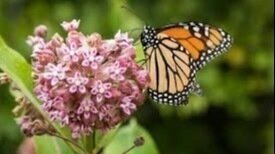
Glyphosate kills vast areas of milkweed, the sole larval food source for monarch butterflies.
Empirical research shows a direct negative correlation between glyphosate use and local monarch abundance.
⚖️ The Moral Case & Urgency for Action
This isn’t merely a local forestry issue—it’s a multilayered ecological cascade:
Forest herbicide use
Increased wildfire danger
Long-range aerial contamination
Stream and river pollution
Contaminated salmon
Orca miscarriages and decline
Vanishing monarchs
Each link in this chain compounds the next, multiplying harm across ecosystems and generations.
Eliminating milkweed impacts disrupts entire migratory patterns of monarchs—illustrating widespread biodiversity loss.
💡 Why This Matters & What We Must Do
Glyphosate—especially aerial spraying—aggravates existing climate-driven fire risks in B.C.
Contamination is not merely local; it travels via smoke, runoff, and food chains, harming human children, wildlife, fisheries, and First Nations communities.
The connection to orca miscarriages and species decline makes this a matter of urgent moral and ecological accountability.
🙏 A Call to Collective Action
Sign the petition demanding immediate suspension of glyphosate spraying by forestry companies.
Demand that the provincial government take swift and permanent action to end glyphosate use in forestry.
Pressure FPInnovations and the Ministry of Forests to replace chemical methods with manual brushing and mechanical clearing—protecting biodiverse, resilient ecosystems.
Advocate for protected riparian zones, wildfire-resistant mixed forests, and restoration of milkweed corridors.
✅ Final Takeaway
This is not just bad forestry management—it’s a toxic practice that wages war on ecosystems, public health, Indigenous rights, wildlife, and future generations.
We must unite, raise our voices, and compel government leadership to end glyphosate spraying now.