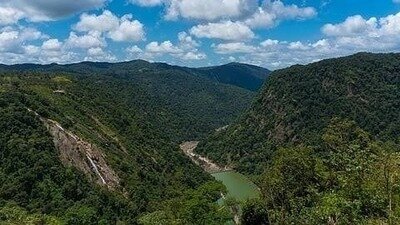

"Save Sharavathi" from Pumped Storage Project
"Save Sharavathi" from Pumped Storage Project
The Issue
Save sharavathi river from pumped storage project. Proposed by the Karnataka Power Corporation Ltd., seeks to build a pumped storage hydroelectric system of 2,000 MW in the heart of the Western Ghats.
The Sharavathi Pumped Storage Project (PSP) is considered illogical by many due to significant environmental damage in a highly sensitive Western Ghats area, a net energy loss for the state grid, and the availability of superior, non-forest-destroying alternatives like Battery Energy Storage Systems (BESS). Critics also cite lack of transparency, increased landslide risk, and potential harm to endangered wildlife like the lion-tailed macaque, leading to concerns about its necessity and feasibility.
Here are the specific reasons why the project is seen as illogical:
Environmental & Ecological Concerns
Ecological Damage: The project involves clear-felling around 15,000 mature trees in a globally significant biodiversity hotspot, potentially destroying the habitat of endangered species like the lion-tailed macaque and Great Indian hornbill.
Hydrological Disruptions: Altering the river's natural water flow can harm aquatic ecosystems and impact downstream communities and existing hydel projects.
Geological Risks: Construction in steep, fragile slopes of the Western Ghats increases the risk of landslides.
Increased Human Activity: The project will bring roads and people into this pristine, fragile zone, raising the risk of further deforestation, illegal logging, and poaching.
Violation of Wildlife Sanctuary Status: Critics argue that massive forest destruction within a Wildlife Sanctuary contradicts the very purpose of the sanctuary and legal mandates for preserving wildlife.
Energy & Economic Concerns
Net Energy Loss: The energy required to pump the water back up is more than the electricity it will generate, resulting in a net loss of power for the state's grid, not a net gain.
High Costs: The project's societal costs, including construction and transmission line expenses, are estimated to be far greater than its benefits, potentially leading to a negative net present value.
Feasibility & Alternatives
Lack of Transparency: The project proponent, Karnataka Power Corporation Limited (KPCL), has not been transparent about the project's detailed project report (DPR), hindering proper public challenge and review.
Better Alternatives Exist: Experts suggest Battery Energy Storage Systems (BESS) as a superior alternative, as they can store energy without requiring forest clearance or posing ecological risks.
Legal & Policy Conflicts
Contravention of Laws: Experts argue the project violates the Wildlife Protection Act by harming the flora and fauna within a sanctuary, notes Counterview.
Incomplete Environmental Assessment: There are concerns that the project violates Supreme Court orders on "fait accompli" considerations, as the environmental impact of the existing transmission line and the need for new lines were not fully accounted for.

3
The Issue
Save sharavathi river from pumped storage project. Proposed by the Karnataka Power Corporation Ltd., seeks to build a pumped storage hydroelectric system of 2,000 MW in the heart of the Western Ghats.
The Sharavathi Pumped Storage Project (PSP) is considered illogical by many due to significant environmental damage in a highly sensitive Western Ghats area, a net energy loss for the state grid, and the availability of superior, non-forest-destroying alternatives like Battery Energy Storage Systems (BESS). Critics also cite lack of transparency, increased landslide risk, and potential harm to endangered wildlife like the lion-tailed macaque, leading to concerns about its necessity and feasibility.
Here are the specific reasons why the project is seen as illogical:
Environmental & Ecological Concerns
Ecological Damage: The project involves clear-felling around 15,000 mature trees in a globally significant biodiversity hotspot, potentially destroying the habitat of endangered species like the lion-tailed macaque and Great Indian hornbill.
Hydrological Disruptions: Altering the river's natural water flow can harm aquatic ecosystems and impact downstream communities and existing hydel projects.
Geological Risks: Construction in steep, fragile slopes of the Western Ghats increases the risk of landslides.
Increased Human Activity: The project will bring roads and people into this pristine, fragile zone, raising the risk of further deforestation, illegal logging, and poaching.
Violation of Wildlife Sanctuary Status: Critics argue that massive forest destruction within a Wildlife Sanctuary contradicts the very purpose of the sanctuary and legal mandates for preserving wildlife.
Energy & Economic Concerns
Net Energy Loss: The energy required to pump the water back up is more than the electricity it will generate, resulting in a net loss of power for the state's grid, not a net gain.
High Costs: The project's societal costs, including construction and transmission line expenses, are estimated to be far greater than its benefits, potentially leading to a negative net present value.
Feasibility & Alternatives
Lack of Transparency: The project proponent, Karnataka Power Corporation Limited (KPCL), has not been transparent about the project's detailed project report (DPR), hindering proper public challenge and review.
Better Alternatives Exist: Experts suggest Battery Energy Storage Systems (BESS) as a superior alternative, as they can store energy without requiring forest clearance or posing ecological risks.
Legal & Policy Conflicts
Contravention of Laws: Experts argue the project violates the Wildlife Protection Act by harming the flora and fauna within a sanctuary, notes Counterview.
Incomplete Environmental Assessment: There are concerns that the project violates Supreme Court orders on "fait accompli" considerations, as the environmental impact of the existing transmission line and the need for new lines were not fully accounted for.
3
Petition Updates
Share this petition
Petition created on 17 September 2025