Save Our Red Squirrels: Enforce Protection Laws and Protect UK Woodland Habitat

Save Our Red Squirrels: Enforce Protection Laws and Protect UK Woodland Habitat
The Issue
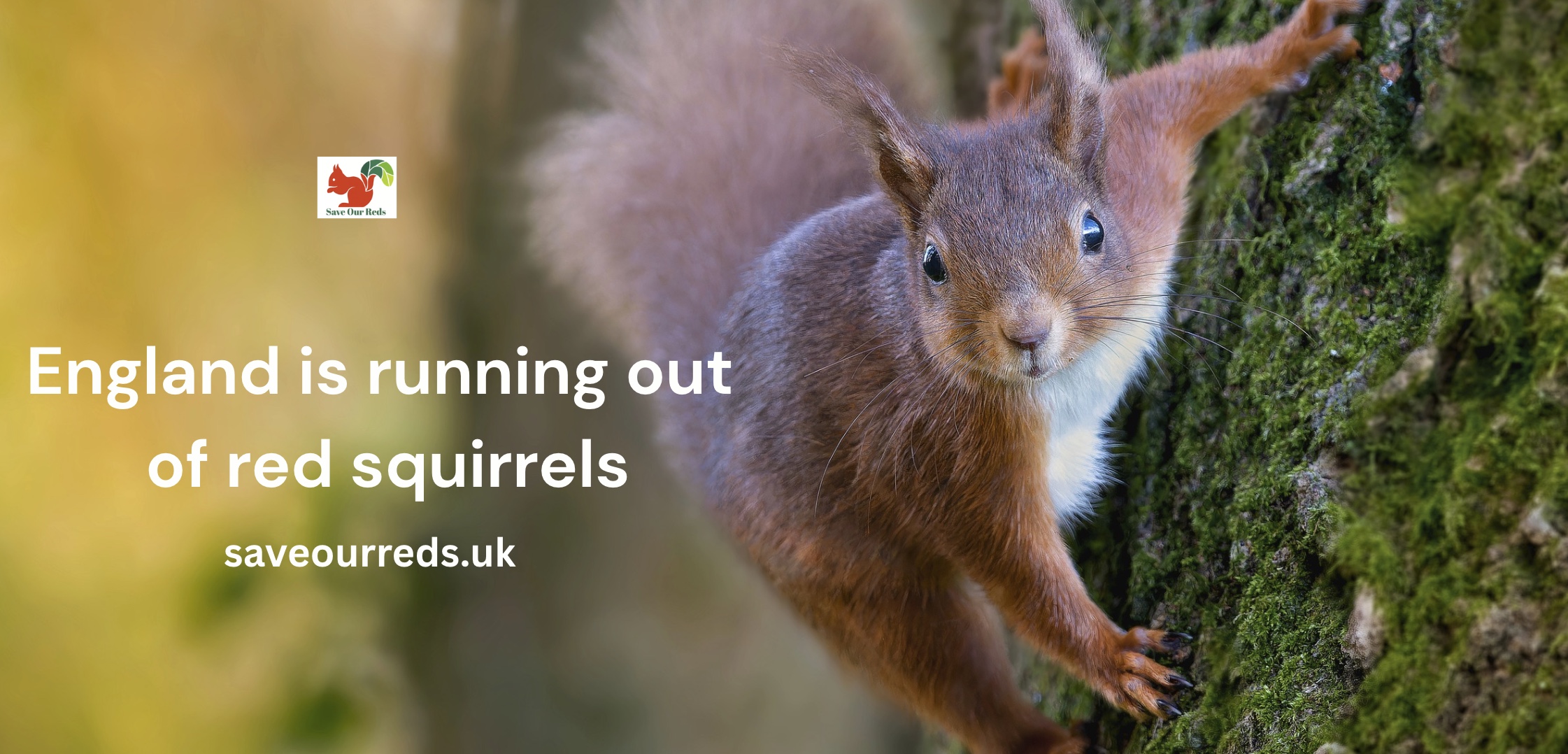
Red squirrels are disappearing from much of the UK and, in England, they are now close to being lost altogether.
This is what red squirrel habitat loss looks like:
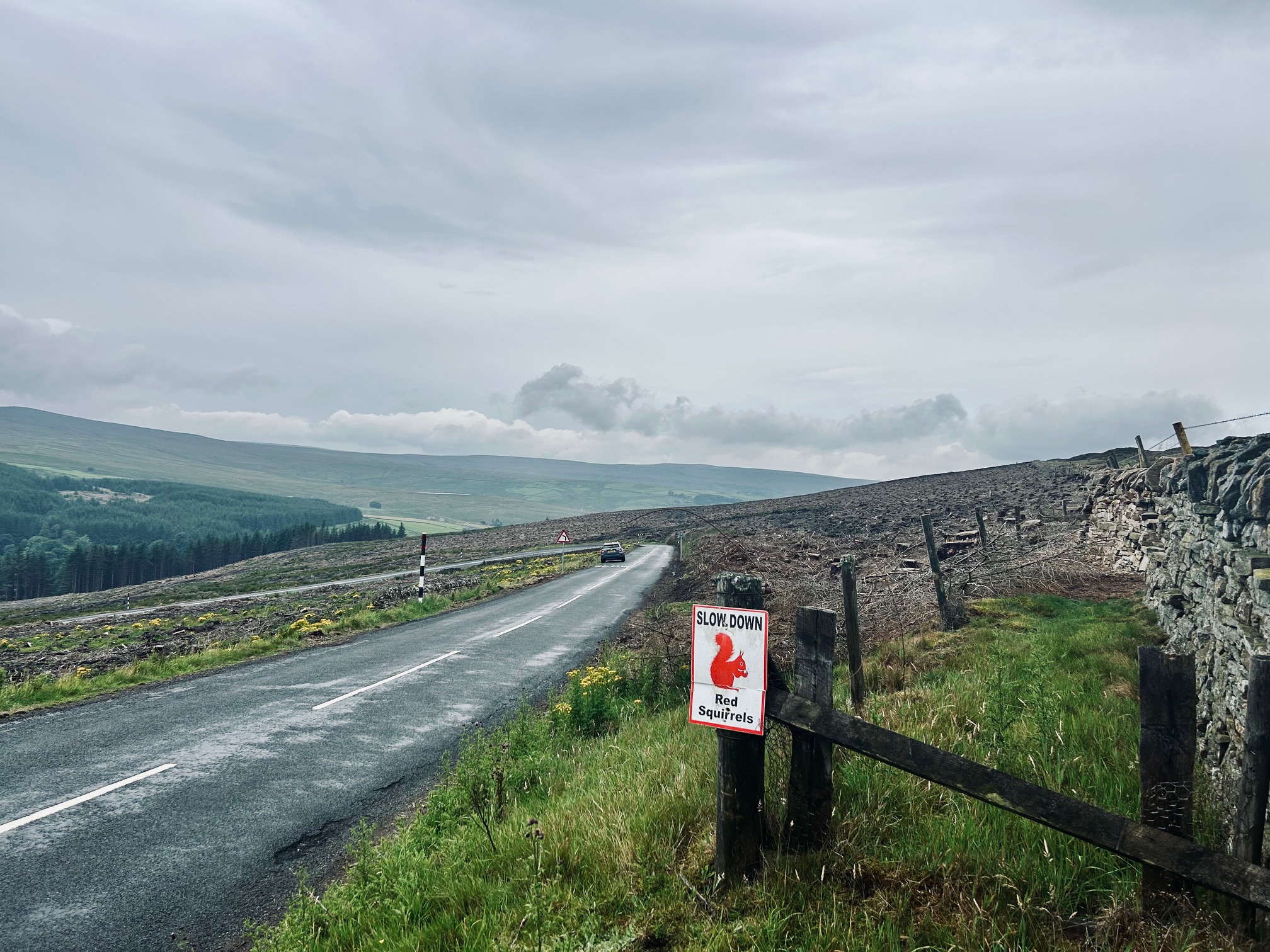
Once common across the UK, these shy, iconic mammals now cling to survival in just a few woodland strongholds. Red squirrels are now classified as Endangered on the Great Britain Red List. In England and Wales, they are Endangered. In much of England, they are all but gone.
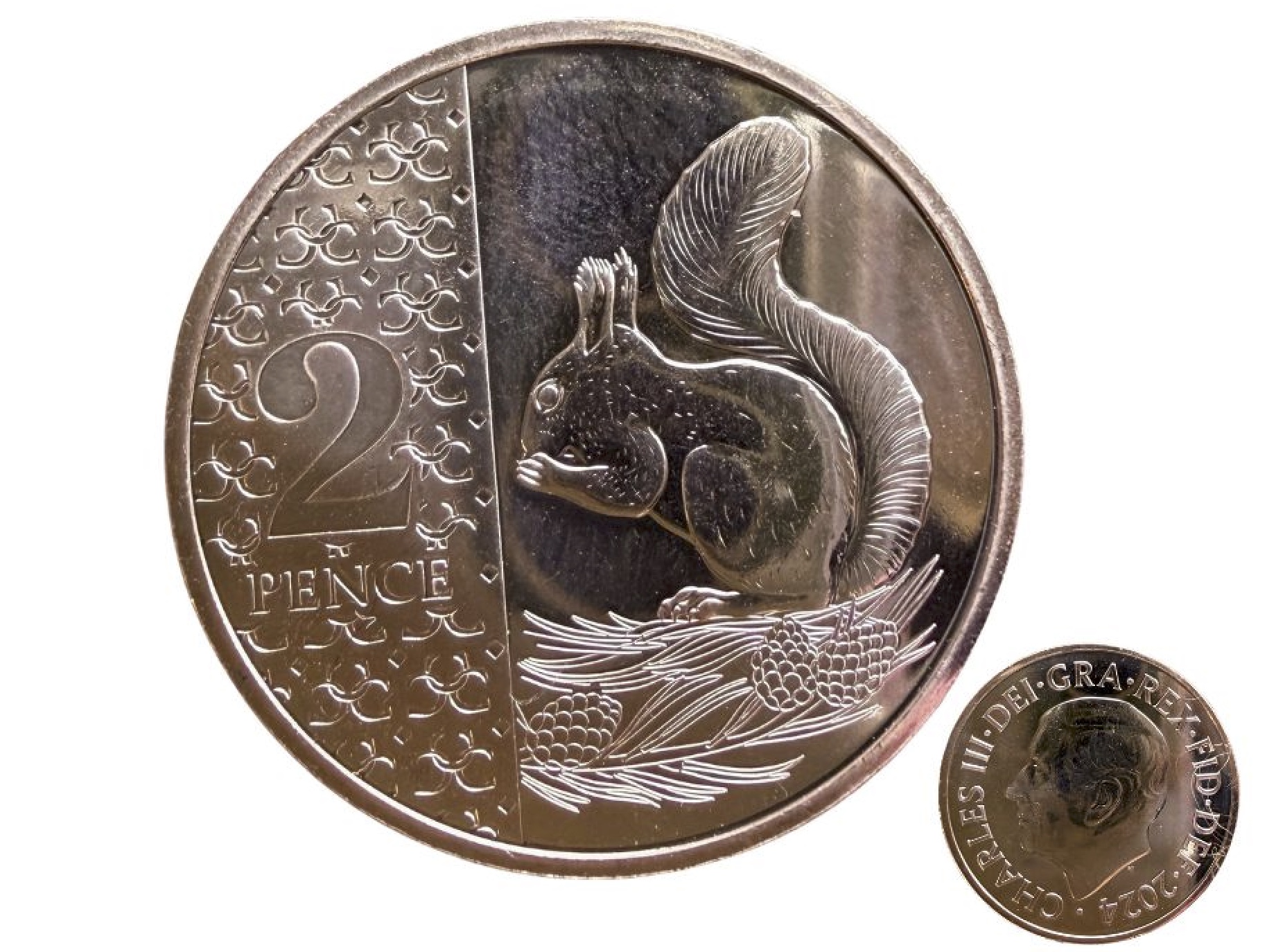
They are more than a countryside symbol: they are a national favourite. Even King Charles has called them “ambassadors for nature”. Their cultural importance is so widely felt that they now feature on the UK’s new commemorative 2p coin.
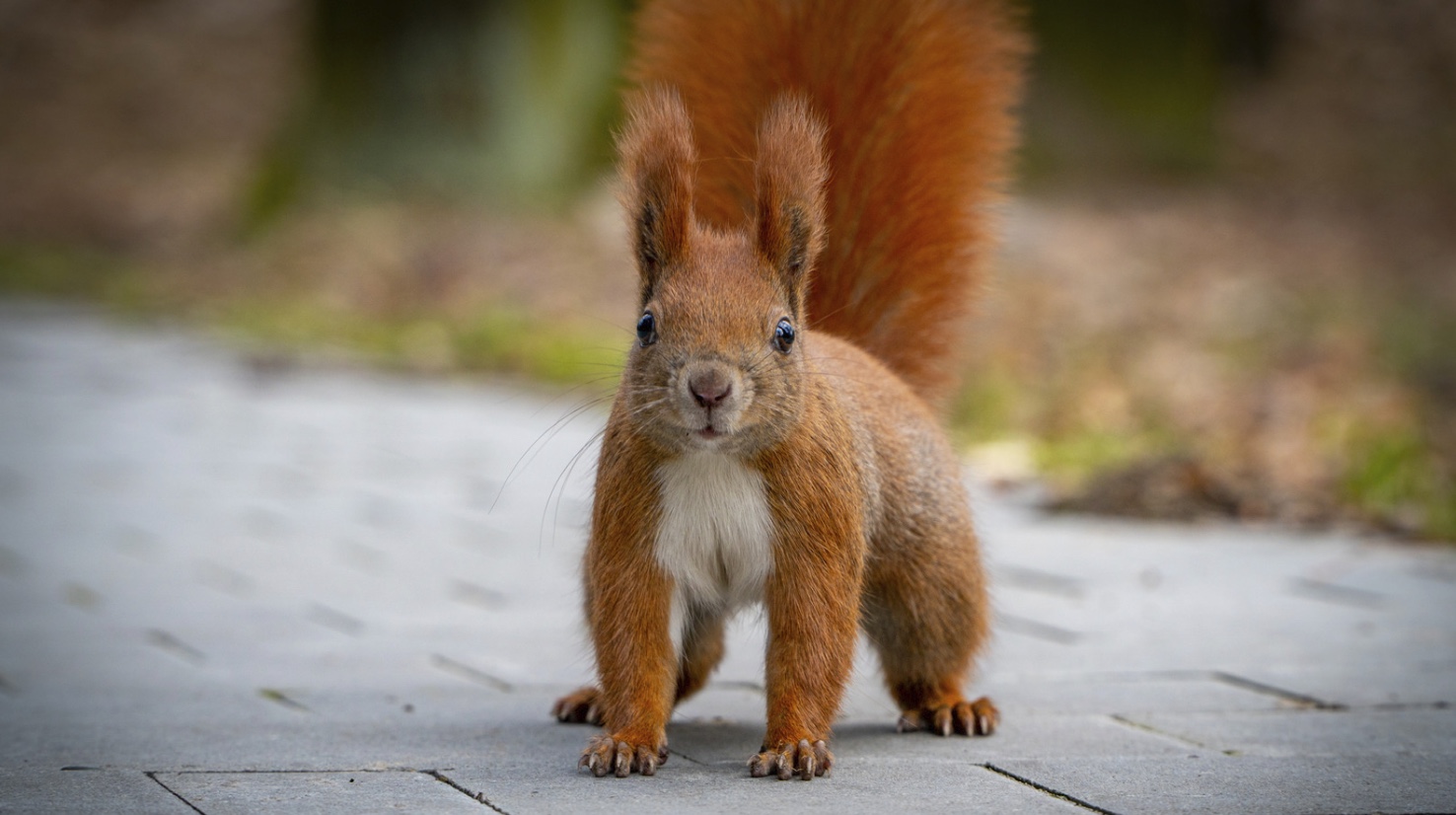
Once numbering in the millions, red squirrels are now confined to a handful of northern strongholds. It is only thanks to tireless volunteers, local groups and small charities that red squirrels survive in England at all.
While it is illegal to kill a red squirrel, destroying its habitat is still allowed, and it is happening. Ancient plantations known to support reds are being felled with no meaningful mitigation, no reassessment, and no consequence.
Those efforts are being quietly undone.
If we do not act now, we risk losing red squirrels from England altogether.
This petition calls on the UK Government and devolved authorities to act urgently to protect and restore red squirrel populations.
Why it matters
Core red squirrel populations remain in Cumbria, Northumberland, County Durham, Lancashire and parts of North Yorkshire. Their range has shrunk drastically due to habitat loss and the spread of the non-native North American grey squirrel, which outcompetes reds and carries the deadly squirrelpox virus.
DEFRA data shows grey squirrels now outnumber reds in both Cumbria and Northumberland.
These regions represent the last realistic opportunity for long-term recovery, if we act now to protect and restore habitat.
The quiet crisis
Despite conservation success stories, such as the recovery of reds on Anglesey, serious threats remain.
Forestry England is reportedly planning to clear-fell one of the largest remaining red squirrel strongholds in northern England. At Killhope, County Durham, a thriving red squirrel plantation has already been razed. At Pow Hill Bog, reds cling to a fragile strip of woodland under increasing pressure from recreation and nearby habitat loss. In Northumberland, several red-supporting conifer plantations have already been heavily or entirely felled.
Current forestry guidance recommends biodiversity set-aside within woodland schemes, but campaigners argue implementation and enforcement remain inconsistent.
The grey squirrel problem
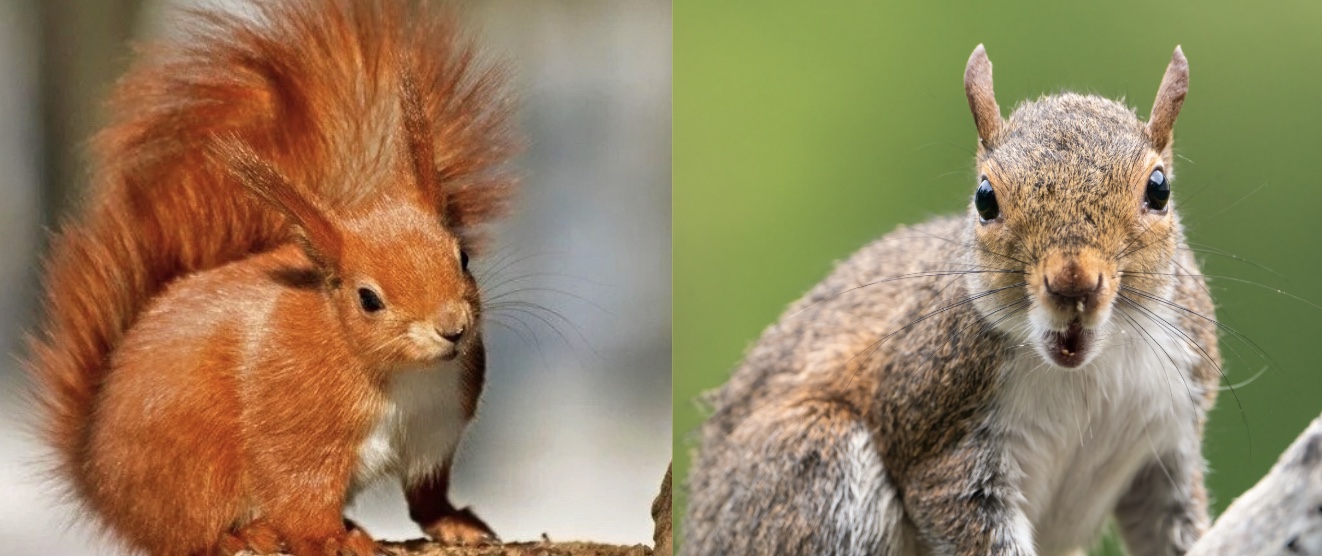
Grey squirrels are not at fault: they were introduced from North America by the Victorians. However, their impact is severe.
They carry squirrelpox, which is fatal to red squirrels.
They strip bark from hardwood trees, causing widespread environmental and economic damage.
They outcompete reds for food and habitat across much of England.
We already have wildlife protections in law, but too often they are weakly enforced or ignored altogether.
Save Our Reds: A 5-Point Emergency Plan
We urge the UK Government and devolved authorities to act immediately on the following:
1. Legally protect red squirrel woodlands immediately
Designate all known red squirrel habitats as protected zones. No large-scale felling should proceed without mandatory wildlife impact assessment, independent oversight, and enforceable penalties.
If a woodland supports red squirrels, it must not be cleared without legally enforceable protection in place.
2. Enforce existing wildlife law, with named accountability
Red squirrels are already protected in law. That protection is too often ignored in practice.
Government must properly enforce existing legislation across all red squirrel areas, with clear responsibility placed on Forestry England, land managers and relevant authorities, alongside meaningful consequences where protections are breached.
3. Deliver and audit biodiversity set-aside properly
Biodiversity protections already exist within forestry guidance and public woodland schemes. These must now be implemented in reality, not simply referenced on paper.
All publicly funded woodland schemes should demonstrate genuine biodiversity protection, including suitable habitat retention for red squirrels, supported by transparent monitoring and public reporting.
4. Fund and fast-track vaccine and fertility control, with a public timetable
Immediately restart and fully fund the squirrelpox vaccine programme in partnership with the Moredun Research Institute.
Publish a clear national timetable for grey squirrel fertility control, moving beyond small-scale trials toward practical deployment.
If public funding has already been allocated, the public deserves transparency: where is it going, and what is being delivered?
5. Put rangers on the ground now, not next year
Significant funding has been announced for red squirrel conservation, yet local groups continue to ask the same question: where are the rangers?
Dedicated, trained wildlife rangers must be deployed immediately in key areas such as Cumbria, Northumberland and County Durham to monitor populations, support volunteers, and respond rapidly to threats on the ground.
Protection on paper means nothing without presence on the ground.
Time to Put Red Squirrels on the National Agenda
Most people do not realise the true impact grey squirrels have, or how close we are to losing red squirrels from England entirely.
We do not need to rewrite policy from scratch. We need to enforce what already exists. We must protect vital habitat, prioritise native biodiversity, and support practical, science-led solutions that secure the future of our remaining reds.
Sign this petition to demand that the UK Government delivers the Save Our Reds 5-Point Emergency Plan: legal habitat protection, enforcement of existing law, genuine biodiversity safeguards, funded science-led solutions, and properly supported wildlife rangers on the ground.
To find out more about the campaign, visit saveourreds.uk
Thank you for helping protect our precious reds. 🐿️

78,664
The Issue
Red squirrels are disappearing from much of the UK and, in England, they are now close to being lost altogether.
This is what red squirrel habitat loss looks like:
Once common across the UK, these shy, iconic mammals now cling to survival in just a few woodland strongholds. Red squirrels are now classified as Endangered on the Great Britain Red List. In England and Wales, they are Endangered. In much of England, they are all but gone.
They are more than a countryside symbol: they are a national favourite. Even King Charles has called them “ambassadors for nature”. Their cultural importance is so widely felt that they now feature on the UK’s new commemorative 2p coin.
Once numbering in the millions, red squirrels are now confined to a handful of northern strongholds. It is only thanks to tireless volunteers, local groups and small charities that red squirrels survive in England at all.
While it is illegal to kill a red squirrel, destroying its habitat is still allowed, and it is happening. Ancient plantations known to support reds are being felled with no meaningful mitigation, no reassessment, and no consequence.
Those efforts are being quietly undone.
If we do not act now, we risk losing red squirrels from England altogether.
This petition calls on the UK Government and devolved authorities to act urgently to protect and restore red squirrel populations.
Why it matters
Core red squirrel populations remain in Cumbria, Northumberland, County Durham, Lancashire and parts of North Yorkshire. Their range has shrunk drastically due to habitat loss and the spread of the non-native North American grey squirrel, which outcompetes reds and carries the deadly squirrelpox virus.
DEFRA data shows grey squirrels now outnumber reds in both Cumbria and Northumberland.
These regions represent the last realistic opportunity for long-term recovery, if we act now to protect and restore habitat.
The quiet crisis
Despite conservation success stories, such as the recovery of reds on Anglesey, serious threats remain.
Forestry England is reportedly planning to clear-fell one of the largest remaining red squirrel strongholds in northern England. At Killhope, County Durham, a thriving red squirrel plantation has already been razed. At Pow Hill Bog, reds cling to a fragile strip of woodland under increasing pressure from recreation and nearby habitat loss. In Northumberland, several red-supporting conifer plantations have already been heavily or entirely felled.
Current forestry guidance recommends biodiversity set-aside within woodland schemes, but campaigners argue implementation and enforcement remain inconsistent.
The grey squirrel problem
Grey squirrels are not at fault: they were introduced from North America by the Victorians. However, their impact is severe.
They carry squirrelpox, which is fatal to red squirrels.
They strip bark from hardwood trees, causing widespread environmental and economic damage.
They outcompete reds for food and habitat across much of England.
We already have wildlife protections in law, but too often they are weakly enforced or ignored altogether.
Save Our Reds: A 5-Point Emergency Plan
We urge the UK Government and devolved authorities to act immediately on the following:
1. Legally protect red squirrel woodlands immediately
Designate all known red squirrel habitats as protected zones. No large-scale felling should proceed without mandatory wildlife impact assessment, independent oversight, and enforceable penalties.
If a woodland supports red squirrels, it must not be cleared without legally enforceable protection in place.
2. Enforce existing wildlife law, with named accountability
Red squirrels are already protected in law. That protection is too often ignored in practice.
Government must properly enforce existing legislation across all red squirrel areas, with clear responsibility placed on Forestry England, land managers and relevant authorities, alongside meaningful consequences where protections are breached.
3. Deliver and audit biodiversity set-aside properly
Biodiversity protections already exist within forestry guidance and public woodland schemes. These must now be implemented in reality, not simply referenced on paper.
All publicly funded woodland schemes should demonstrate genuine biodiversity protection, including suitable habitat retention for red squirrels, supported by transparent monitoring and public reporting.
4. Fund and fast-track vaccine and fertility control, with a public timetable
Immediately restart and fully fund the squirrelpox vaccine programme in partnership with the Moredun Research Institute.
Publish a clear national timetable for grey squirrel fertility control, moving beyond small-scale trials toward practical deployment.
If public funding has already been allocated, the public deserves transparency: where is it going, and what is being delivered?
5. Put rangers on the ground now, not next year
Significant funding has been announced for red squirrel conservation, yet local groups continue to ask the same question: where are the rangers?
Dedicated, trained wildlife rangers must be deployed immediately in key areas such as Cumbria, Northumberland and County Durham to monitor populations, support volunteers, and respond rapidly to threats on the ground.
Protection on paper means nothing without presence on the ground.
Time to Put Red Squirrels on the National Agenda
Most people do not realise the true impact grey squirrels have, or how close we are to losing red squirrels from England entirely.
We do not need to rewrite policy from scratch. We need to enforce what already exists. We must protect vital habitat, prioritise native biodiversity, and support practical, science-led solutions that secure the future of our remaining reds.
Sign this petition to demand that the UK Government delivers the Save Our Reds 5-Point Emergency Plan: legal habitat protection, enforcement of existing law, genuine biodiversity safeguards, funded science-led solutions, and properly supported wildlife rangers on the ground.
To find out more about the campaign, visit saveourreds.uk
Thank you for helping protect our precious reds. 🐿️
78,664

Supporter Voices
Petition Updates
Share this petition
Petition created on 6 August 2025