

Save Local Coromandel Maternity Care
The issue
Keep Coromandel women and babies safe with care close to home and without the added cost and burden of travel
We are calling on Health New Zealand and the Government to restore funding for essential locum relief for upper Coromandel Peninsula community midwives to ensure the continuation of a safe, sustainable model of 24-hour local maternity care.
The locally based maternity service supports over 120 women and their families in the upper Coromandel Peninsula each year. The area has a long-standing shortage of midwives, and the long travel distances make it impractical for midwives to provide regular backup cover for one another to ensure adequate time off-call.
To support the required 24/7 service, Health NZ Waikato has for many years funded four days of locum relief each month, providing protected time off-call to maintain safe clinical practice and support sustainable, locally accessible maternity care.
This funding was cut in June 2026 — NOT because the need for locum relief had reduced but due to Health NZ budget constraints.
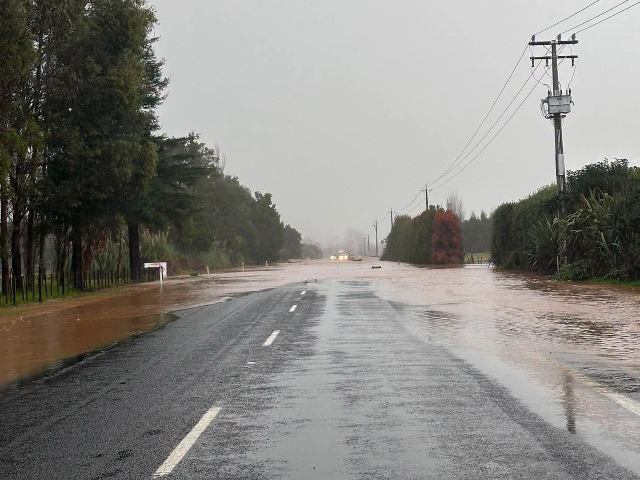
Health NZ's proposed alternative would require women and newborns to travel 1 to 2.5 hours to Thames for midwifery care when their own midwife is unavailable. The upper Coromandel Peninsula's geographic isolation, challenging roads, vulnerability to severe weather and road closures can make travel to Thames impossible. Removing locum relief does not remove the need for urgent maternity care — it shifts the responsibility and potential cost onto women and whānau, and potentially onto other emergency services such as St John and rescue helicopter services.
Local midwives can currently provide timely assessments in women's homes and communities. They play an important role in emergency response when complications arise. Without adequate relief and backup, the already small workforce is at risk of becoming unsustainable, potentially resulting in the loss of locally based maternity care altogether.
The women and whānau of the upper Coromandel Peninsula deserve safe, equitable and sustainable maternity care close to home. We cannot wait until local midwives are gone before recognising how necessary this service is.
**** Please sign this petition to protect the future of local maternity care on the upper Coromandel Peninsula. Share it with your whānau, friends and community. Help make sure the voices of Coromandel women are heard ****
Frequently Asked Questions:
Why is locum relief necessary?
Community midwives cannot safely remain continuously on-call without regular protected time off. Locum relief allows midwives to rest, maintain safe clinical practice and continue providing 24-hour emergency maternity support.
Why can't women just travel to Thames?
The Government's Rural Health Strategy identifies access to services closer to home and a valued rural health workforce as national priorities. The upper Coromandel Peninsula is geographically isolated, with long, challenging rural roads and vulnerability to severe weather and road closures. For women experiencing pregnancy or postnatal concerns, in labour, or caring for a newborn, travelling for urgent assessment may be difficult or unsafe. Access to maternity care should not depend on whether a woman can safely get to Thames.
Is this only about the current midwives?
No. It is about ensuring women continue to have access to local maternity care by retaining current midwives and attracting future midwives. A sustainable service requires appropriate locum relief, backup and working conditions to support the rural workforce over the long term.
Is this about midwives getting more pay?
No. This is about locum relief, safe working conditions, protected time off and appropriate backup — not increased pay.
What happens if local midwives are not supported and cannot continue?
Without a sustainable local workforce, the existing maternity service is at risk of being lost. Women may lose access to locally based 24/7 continuity of care and would need to travel to Thames for maternity services, potentially putting the health and wellbeing of women and babies at risk.
Is funding for locum relief only needed as an interim measure while the Government develops its Maternity Commissioning Framework?
Yes. Restoring locum relief funding is an essential interim measure to protect the existing workforce and keep local maternity care safe and sustainable while the Government’s Maternity Commissioning Framework is developed and implemented. The Maternity Commissioning Framework work has been underway since 2024, but the process is still in progress and implementation remains some way off.
What about other areas of New Zealand?
Community midwives in other similar rural areas currently receive sustainability support to maintain local maternity services. When regional funding decisions determine which communities receive this support, access to sustainable maternity care can become a postcode lottery. Women should not have different access to safe, local maternity care simply because of where they live or where their midwife practises.

1,205
The issue
Keep Coromandel women and babies safe with care close to home and without the added cost and burden of travel
We are calling on Health New Zealand and the Government to restore funding for essential locum relief for upper Coromandel Peninsula community midwives to ensure the continuation of a safe, sustainable model of 24-hour local maternity care.
The locally based maternity service supports over 120 women and their families in the upper Coromandel Peninsula each year. The area has a long-standing shortage of midwives, and the long travel distances make it impractical for midwives to provide regular backup cover for one another to ensure adequate time off-call.
To support the required 24/7 service, Health NZ Waikato has for many years funded four days of locum relief each month, providing protected time off-call to maintain safe clinical practice and support sustainable, locally accessible maternity care.
This funding was cut in June 2026 — NOT because the need for locum relief had reduced but due to Health NZ budget constraints.
Health NZ's proposed alternative would require women and newborns to travel 1 to 2.5 hours to Thames for midwifery care when their own midwife is unavailable. The upper Coromandel Peninsula's geographic isolation, challenging roads, vulnerability to severe weather and road closures can make travel to Thames impossible. Removing locum relief does not remove the need for urgent maternity care — it shifts the responsibility and potential cost onto women and whānau, and potentially onto other emergency services such as St John and rescue helicopter services.
Local midwives can currently provide timely assessments in women's homes and communities. They play an important role in emergency response when complications arise. Without adequate relief and backup, the already small workforce is at risk of becoming unsustainable, potentially resulting in the loss of locally based maternity care altogether.
The women and whānau of the upper Coromandel Peninsula deserve safe, equitable and sustainable maternity care close to home. We cannot wait until local midwives are gone before recognising how necessary this service is.
**** Please sign this petition to protect the future of local maternity care on the upper Coromandel Peninsula. Share it with your whānau, friends and community. Help make sure the voices of Coromandel women are heard ****
Frequently Asked Questions:
Why is locum relief necessary?
Community midwives cannot safely remain continuously on-call without regular protected time off. Locum relief allows midwives to rest, maintain safe clinical practice and continue providing 24-hour emergency maternity support.
Why can't women just travel to Thames?
The Government's Rural Health Strategy identifies access to services closer to home and a valued rural health workforce as national priorities. The upper Coromandel Peninsula is geographically isolated, with long, challenging rural roads and vulnerability to severe weather and road closures. For women experiencing pregnancy or postnatal concerns, in labour, or caring for a newborn, travelling for urgent assessment may be difficult or unsafe. Access to maternity care should not depend on whether a woman can safely get to Thames.
Is this only about the current midwives?
No. It is about ensuring women continue to have access to local maternity care by retaining current midwives and attracting future midwives. A sustainable service requires appropriate locum relief, backup and working conditions to support the rural workforce over the long term.
Is this about midwives getting more pay?
No. This is about locum relief, safe working conditions, protected time off and appropriate backup — not increased pay.
What happens if local midwives are not supported and cannot continue?
Without a sustainable local workforce, the existing maternity service is at risk of being lost. Women may lose access to locally based 24/7 continuity of care and would need to travel to Thames for maternity services, potentially putting the health and wellbeing of women and babies at risk.
Is funding for locum relief only needed as an interim measure while the Government develops its Maternity Commissioning Framework?
Yes. Restoring locum relief funding is an essential interim measure to protect the existing workforce and keep local maternity care safe and sustainable while the Government’s Maternity Commissioning Framework is developed and implemented. The Maternity Commissioning Framework work has been underway since 2024, but the process is still in progress and implementation remains some way off.
What about other areas of New Zealand?
Community midwives in other similar rural areas currently receive sustainability support to maintain local maternity services. When regional funding decisions determine which communities receive this support, access to sustainable maternity care can become a postcode lottery. Women should not have different access to safe, local maternity care simply because of where they live or where their midwife practises.
Petition Updates
Share this petition
Petition created on 18 August 2026