
Reverse the ban on e-scooters and e-bikes in long island
Reverse the ban on e-scooters and e-bikes in long island
The Issue
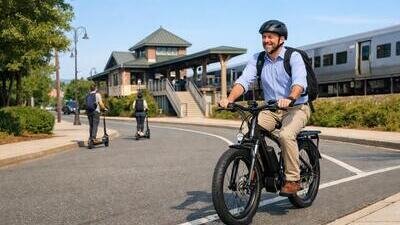
In recent times, many Long Islanders, especially adults, have come to rely heavily on e-scooters and e-bikes for their daily commute. They are a convenient, efficient, and eco-friendly alternative, allowing residents to navigate through traffic with ease and reach the Long Island Rail Road (LIRR) on time, enhancing the region's connectivity without contributing to pollution.
However, a recent ban on e-scooters and e-bikes threatens to disrupt the lives of countless Long Islanders who depend on these forms of micro-mobility. This decision impacts our community's ability to reduce our carbon footprint and undermines efforts to adopt sustainable transport solutions.
According to research, e-bikes and e-scooters can reduce carbon emissions by approximately 3% compared to traditional vehicles. Moreover, they do not require significant upfront investments like cars, making them accessible to a wider range of people from different socio-economic backgrounds. Not to mention, they relieve congestion in densely trafficked areas, contributing to smoother urban transport.
Reversing the ban would align with New York State's goals to promote cleaner air and fight climate change. Cities like New York have already recognized the advantages of e-bikes and e-scooters, incorporating them into their comprehensive urban transit strategies.
We propose that the authorities implement regulations that ensure the safe integration of e-scooters and e-bikes into our roads instead of imposing a blanket ban. This could include designated lanes, mandatory helmets, and speed limits that would enhance safety while allowing continued use.
Let's urge the decision-makers to rethink this ban and work towards a solution that promotes sustainable commuting without sacrificing safety or accessibility. Join us in signing this petition to safeguard the future of micro-mobility in Long Island and continue progressing towards a greener, more connected community.

86
The Issue
In recent times, many Long Islanders, especially adults, have come to rely heavily on e-scooters and e-bikes for their daily commute. They are a convenient, efficient, and eco-friendly alternative, allowing residents to navigate through traffic with ease and reach the Long Island Rail Road (LIRR) on time, enhancing the region's connectivity without contributing to pollution.
However, a recent ban on e-scooters and e-bikes threatens to disrupt the lives of countless Long Islanders who depend on these forms of micro-mobility. This decision impacts our community's ability to reduce our carbon footprint and undermines efforts to adopt sustainable transport solutions.
According to research, e-bikes and e-scooters can reduce carbon emissions by approximately 3% compared to traditional vehicles. Moreover, they do not require significant upfront investments like cars, making them accessible to a wider range of people from different socio-economic backgrounds. Not to mention, they relieve congestion in densely trafficked areas, contributing to smoother urban transport.
Reversing the ban would align with New York State's goals to promote cleaner air and fight climate change. Cities like New York have already recognized the advantages of e-bikes and e-scooters, incorporating them into their comprehensive urban transit strategies.
We propose that the authorities implement regulations that ensure the safe integration of e-scooters and e-bikes into our roads instead of imposing a blanket ban. This could include designated lanes, mandatory helmets, and speed limits that would enhance safety while allowing continued use.
Let's urge the decision-makers to rethink this ban and work towards a solution that promotes sustainable commuting without sacrificing safety or accessibility. Join us in signing this petition to safeguard the future of micro-mobility in Long Island and continue progressing towards a greener, more connected community.
86
Supporter Voices
Petition Updates
Share this petition
Petition created on March 11, 2026