Time For Change 'Community-Led Pressure'

As we enter our second heatwave of 2026, with record-breaking temperatures forecast across the country, many of us are beginning to compare today's conditions with the famous drought and heatwave of 1976.
Whilst there are similarities, there is one significant difference: climate change is increasing the frequency, intensity and duration of extreme weather events. We are now facing a future of hotter, drier summers punctuated by increasingly intense rainfall events.
For many months I have been highlighting the urgent need to prevent clean rainwater from entering our combined sewer systems. Every litre of rainwater that enters a foul sewer unnecessarily increases the risk of sewer surcharging, Combined Sewer Overflow (CSO) discharges and untreated sewage entering our rivers.
However, this is only part of the solution.
We must also stop viewing rainwater as a waste product. Rainwater is a valuable natural resource that should be captured, stored and reused locally rather than being rapidly channelled away through drains and sewers.
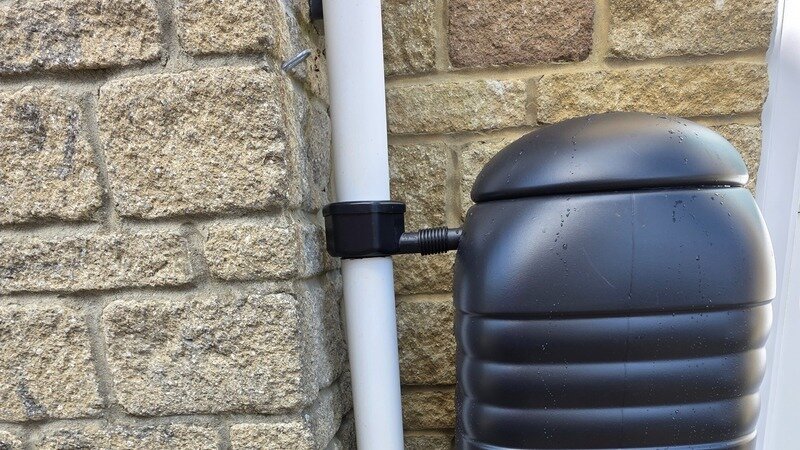
Water butts are a great starting point and every household should consider installing at least one. However, they simply do not have the capacity to keep enough water from our combined sewers during the extremely wet winters or provide sufficient water throughout prolonged dry periods. As our summers become hotter and drier, many households are forced to rely on expensive mains water to keep gardens alive and allotments productive.
Imagine instead if homes, schools, village halls, businesses, farms and community allotments were equipped with larger rainwater harvesting systems capable of storing thousands of litres of clean water collected during the wetter winter months and replenished during summer downpours.
That water could then be used to irrigate gardens, support food production, maintain wildlife habitats, supply ponds and reduce demand on our precious drinking water supplies.
Alongside rainwater harvesting, we should be encouraging rain gardens, ponds, swales, infiltration features and other Sustainable Drainage Systems (SuDS) that allow water to soak naturally into the landscape, replenish groundwater and reduce flood risk downstream.
The legislation already exists. Through the Environment Act 2021, the Flood and Water Management Act 2010 and emerging Schedule 3 requirements, new developments are expected to manage surface water responsibly and reduce pressure on sewer infrastructure.
Now is the time for local planning authorities, district councillors, parish councils, developers and water companies to work together to ensure that every new development contributes positively to the future resilience of the River Wriggle catchment.
Our vision should be clear:
"All new developments within the River Wriggle catchment should be designed to capture, store, reuse and slowly release rainwater, ensuring that no additional burden is placed on existing sewer infrastructure and that water becomes a local resource rather than a waste product."
The rain that falls on our roofs today should help sustain our communities tomorrow.
If we continue to allow clean rainwater to be treated as waste, we will face increasing pressure on our sewers, more pollution in our rivers, greater flood risk and growing water shortages during drought.
The solution is literally falling from the sky.
Let's start capturing it.