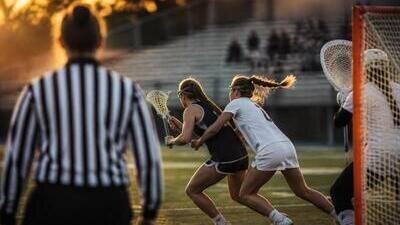

Require the NCAA to investigate 2026 Women's Lax QF: CO vs NW & Championship: UNC vs NW
Require the NCAA to investigate 2026 Women's Lax QF: CO vs NW & Championship: UNC vs NW
The Issue
The 2026 NCAA Division I Women’s Lacrosse Championship has sparked widespread controversy following several disputed officiating decisions that left players, coaches, and fans questioning the fairness and credibility of the results. Although Northwestern University ultimately claimed the national title, the championship game was overshadowed by calls that many believe had a major impact on the outcome. Concerns have also emerged regarding the officiating in the quarterfinal matchup between University of Colorado Boulder and Northwestern University, where several critical decisions during overtime appeared to influence which team advanced to the Final Four.
In the quarterfinal game between Colorado and Northwestern, three overtime plays have drawn significant criticism:
Play 1: A charging call against Colorado on its first overtime possession at the 2:41 mark.
Play 2: A foul committed by Northwestern with one second remaining in the first overtime period that did not result in either a free-position opportunity for Colorado or a card being issued.
Play 3: A dangerous follow-through by Northwestern at the 2:00 mark of the second overtime period that went uncalled moments before the game-winning free-position goal.
Similarly, the championship game between University of North Carolina at Chapel Hill and Northwestern University featured three controversial moments that many believe altered the course of the game:
Play 1: During a 6–2 scoring run, UNC appeared to cut the deficit to 10–7 with 8:11 remaining in the third quarter. After Northwestern challenged the play, officials overturned the goal due to a crease violation. Northwestern then scored less than a minute later.
Play 2: UNC appeared to tie the game 12–12 with 6:37 remaining, but after video review, the goal was overturned because of a dangerous follow-through call.
Play 3: Northwestern scored with 1:18 remaining to extend the lead to 14–11. Despite what many viewed as a clear crease violation, the officials did not initiate a review, and the goal was allowed to stand.
The National Collegiate Athletic Association and USA Lacrosse must take meaningful action to ensure that officiating throughout the NCAA Women’s Lacrosse Tournament is conducted with consistency, transparency, and impartiality. An independent investigation into the officiating of both the national championship game between North Carolina and Northwestern and the quarterfinal game between Colorado and Northwestern is necessary to restore confidence in the integrity of the sport.
By signing this petition, supporters join a unified call for accountability and transparency in NCAA officiating. The goal is to encourage the NCAA and USA Lacrosse to formally review the officiating standards and decisions used during both the quarterfinal and championship games, examine whether bias or procedural inconsistencies played a role, and implement corrective measures to address any injustices uncovered.

75
The Issue
The 2026 NCAA Division I Women’s Lacrosse Championship has sparked widespread controversy following several disputed officiating decisions that left players, coaches, and fans questioning the fairness and credibility of the results. Although Northwestern University ultimately claimed the national title, the championship game was overshadowed by calls that many believe had a major impact on the outcome. Concerns have also emerged regarding the officiating in the quarterfinal matchup between University of Colorado Boulder and Northwestern University, where several critical decisions during overtime appeared to influence which team advanced to the Final Four.
In the quarterfinal game between Colorado and Northwestern, three overtime plays have drawn significant criticism:
Play 1: A charging call against Colorado on its first overtime possession at the 2:41 mark.
Play 2: A foul committed by Northwestern with one second remaining in the first overtime period that did not result in either a free-position opportunity for Colorado or a card being issued.
Play 3: A dangerous follow-through by Northwestern at the 2:00 mark of the second overtime period that went uncalled moments before the game-winning free-position goal.
Similarly, the championship game between University of North Carolina at Chapel Hill and Northwestern University featured three controversial moments that many believe altered the course of the game:
Play 1: During a 6–2 scoring run, UNC appeared to cut the deficit to 10–7 with 8:11 remaining in the third quarter. After Northwestern challenged the play, officials overturned the goal due to a crease violation. Northwestern then scored less than a minute later.
Play 2: UNC appeared to tie the game 12–12 with 6:37 remaining, but after video review, the goal was overturned because of a dangerous follow-through call.
Play 3: Northwestern scored with 1:18 remaining to extend the lead to 14–11. Despite what many viewed as a clear crease violation, the officials did not initiate a review, and the goal was allowed to stand.
The National Collegiate Athletic Association and USA Lacrosse must take meaningful action to ensure that officiating throughout the NCAA Women’s Lacrosse Tournament is conducted with consistency, transparency, and impartiality. An independent investigation into the officiating of both the national championship game between North Carolina and Northwestern and the quarterfinal game between Colorado and Northwestern is necessary to restore confidence in the integrity of the sport.
By signing this petition, supporters join a unified call for accountability and transparency in NCAA officiating. The goal is to encourage the NCAA and USA Lacrosse to formally review the officiating standards and decisions used during both the quarterfinal and championship games, examine whether bias or procedural inconsistencies played a role, and implement corrective measures to address any injustices uncovered.
75
The Decision Makers

Supporter Voices
Petition Updates
Share this petition
Petition created on May 24, 2026