

Require Body Cameras for Healthcare Professionals
The Issue
To whom it may concern,
I am calling for all healthcare professionals to be required to wear body cameras with audio and recording capabilities—once and for all putting an end to any inaccurate or falsified documentation, vague referrals, inadequate examinations/findings, discrimination, negligence, and overall maltreatment of patients that can occur. All too often, a patient goes through an experience of a provider either not documenting accurately or truthfully of the patient’s account (i.e their symptoms), as well as overall callousness in charting. As a result, patients’ medical care tends to deviate from the standard of care. This impacts the patient’s outcome, and can often times lead to complications such as delayed diagnoses, misdiagnoses, malpractice, negligence, and even wrongful death. By implementing the requirement for healthcare professionals to wear body cameras and recording equipment during their interactions with patients, many of the grievances and injustices that are immensely hard to prove can suddenly be accessed if needed by the patient and/or their families for legal proceedings, as well as helping to discourage the harmful culture of some providers who manipulate, dismiss, and gaslight their patients. This implementation would also be immensely beneficial and far more accurate than medical scribes, who often can be just as biased and inaccurate. This implementation would also allow hospitals and other healthcare administrations to review and provide critical feedback to providers, as well as responding with adequate training regimens and policy changes to improve the healthcare, wellbeing, and outcomes for all patients. It would be a huge step forward, transforming the efficacy of patient care representatives that cannot do much with “the doctor said, the patient said” narratives that are often unsuccessful in pursuing the necessary accountability of the providers in question, as well as ensuring justice for the patient and their families. This implementation can also be helpful for providers who are a victim of any crime on the job, protecting our hard-working healthcare professionals as well. Both the providers and their patients would have a sense of assurance and security—an issue that must be addressed properly for all parties. Although many ethical implications must be considered, I would argue your patients would feel a sense of relief and security in implementation of body cameras for healthcare professionals due to: (1) knowing that if something goes wrong with their care, and/or the medical care is inadequate and with malpractice, there is direct evidence for lawyers to work with (2) having the most accurate and correct documentation processed in their chart to improve the efficacy of insurance claims and possibility for coverage, and (3) consideration of such an initiative could overall transform our healthcare system to becoming a more trustworthy, comfortable, and overall positive experience for both patients and healthcare professionals caring for the sick and injured across the states. That said, it would be of paramount if the initiative were to be implemented, that officials would abide to the law in requiring patients’ signatures in giving their consent in order to have their medical care recorded and documented. Upholding your patients’ rights including adherence to patient privacy laws is non-negotiable. If a patient would prefer to opt-out, either partially or entirely from their visit being recorded, that would be part of their rights as a patient and required by law to adhere to as well. In addition, if signed into legislation, there would have to be ways to ensure the security and proper storage of such data with the same measures of HIPAA and other patient confidentiality regulations, including for sensitive exams and/or visits. Upholding patient privacy would mean that such body camera implementation with audio and video recording capabilities be stored similar to how police officers’ footage is safely and securely stored, with further protections and confidentiality mechanisms in place to ensure patient privacy laws such as HIPAA is never breached. It would require diligence, consistency in following regulations, and strict adherence to the potential legislation of implementing body cameras in the healthcare setting—with all medical information documented and recorded remaining confidential like typical chart notes, and other protected medical information. Body camera implementation must have the same extensive safeguards in place to prevent any breaching of HIPAA, and other confidentiality measures to uphold patients’ rights and privacy. To conclude, in calling for the requirement of healthcare professionals to wear body cameras during their shifts in caring for their patients, I believe that through this innovative initiative of accountability, healthcare for your patients throughout the USA and possibly on a global scale one day, will result in more equitable, non-discriminatory, and adequate care. Similar to how police officers are held accountable thanks to the evidence of police brutality caught on body camera footage, I strongly believe that such implementation in healthcare will be profoundly successful in better helping and protecting your patients, and yourselves, establishing healthcare as a safe setting for all.
Imagine for one moment, this improved future for patients and their care. One healthcare provider, a doctor, is engaged in a warm conversation with a patient. The provider speaks to the patient with professionalism, their tone welcoming and reassuring. The provider listens actively and attentively, nodding thoughtfully and taking notes as the patient shares their concerns. As the doctor charts about the patient and health issues addressed, this very provider has an increased mindfulness to the fact that every aspect of the visit and interaction with their patient was recorded. No more possibilities to change the narrative, leave out important details, nor copy and pasted findings related to the assessments of your patients.
The body cameras capture every interaction, ensuring transparency and fostering trust between the patient and healthcare provider. Meanwhile, the cameras also serve as a tool for training, quality assurance, improved safety, compliance, and accountability, helping staff and administrations continuously improve their quality of care—taking complaints and grievances from incidents seriously, with due diligence.
Envision this transformation of the healthcare system as a result of implementing required body cameras for healthcare providers. I see a future in our healthcare system that is brighter, saving more lives, due in part to the improvement in fostering an environment in which all healthcare providers value professionalism, compassion, and overall mindfulness towards how they care for and treat their patients, committed to offering the best care possible and honoring their patients’ experiences: transforming the healthcare system.
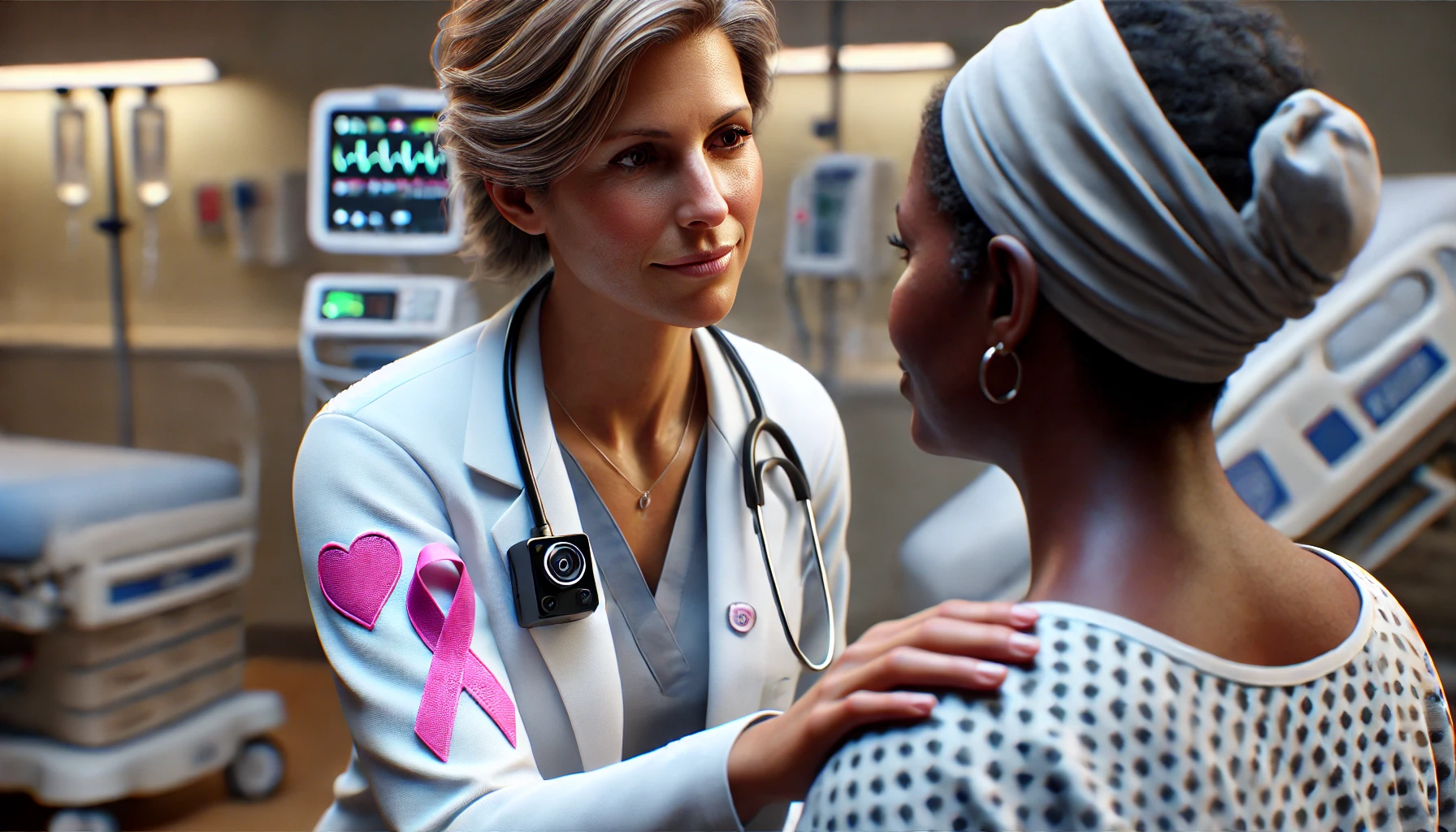
Improved healthcare and dismantling systemic issues, in return, helps to save the lives of our loved ones.
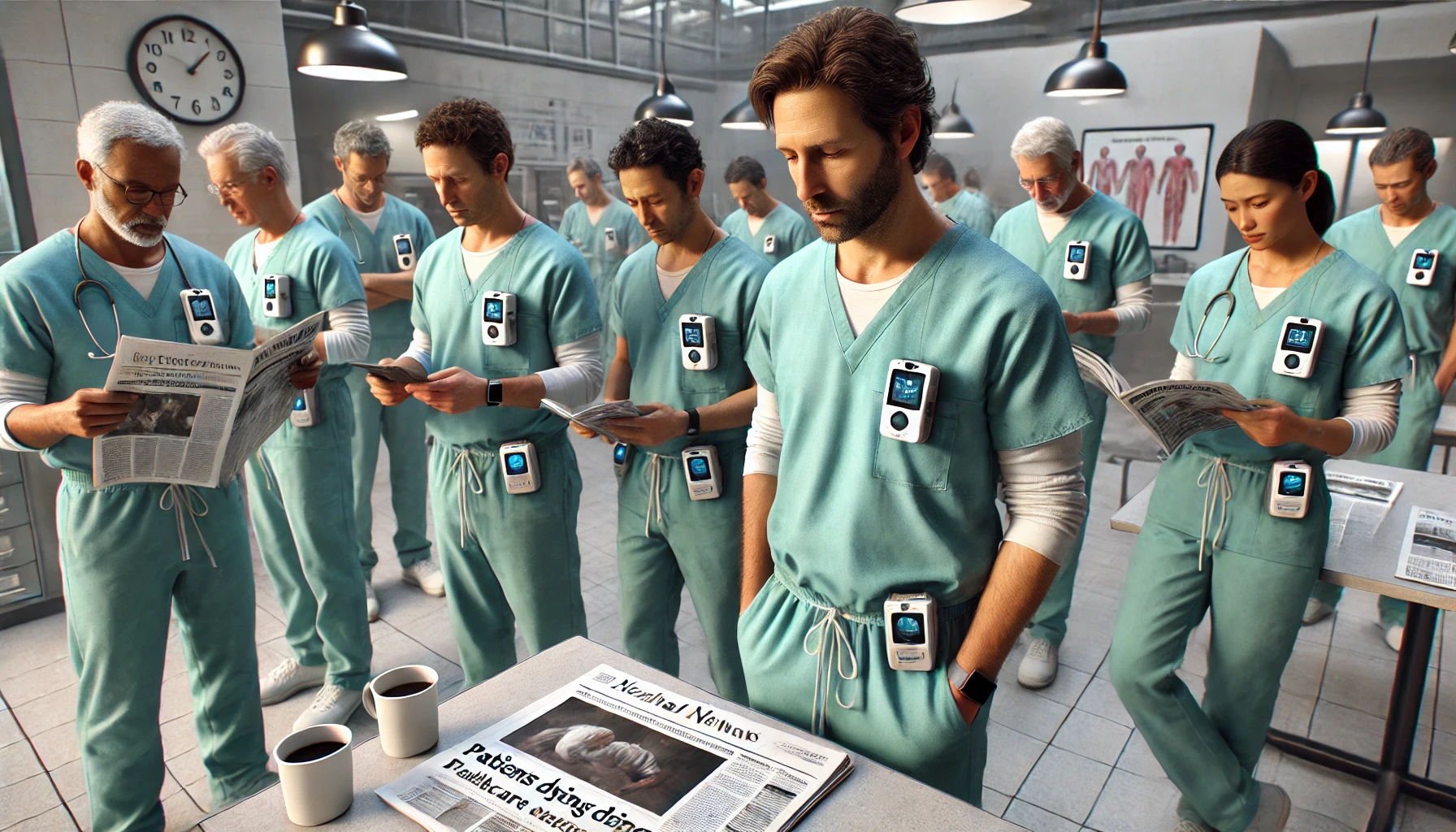
How did we get here? Necessary moments of reflection for why body cameras in the healthcare system are urged to be considered, with too many grievances and losses in which change in policy is a must.
Please review the following articles that further explore this call to implement body cameras in the healthcare system:
Campus Safety Magazine: “Body-Worn Cameras Are Revolutionizing Hospital Safety and Security“
Improving Healthcare with Body-Worn Cameras
Harvard Public Health: Can Body Cameras Reduce Discrimination in Hospitals?
Thank you for your consideration in signing my petition. It means more than you know.

54
The Issue
To whom it may concern,
I am calling for all healthcare professionals to be required to wear body cameras with audio and recording capabilities—once and for all putting an end to any inaccurate or falsified documentation, vague referrals, inadequate examinations/findings, discrimination, negligence, and overall maltreatment of patients that can occur. All too often, a patient goes through an experience of a provider either not documenting accurately or truthfully of the patient’s account (i.e their symptoms), as well as overall callousness in charting. As a result, patients’ medical care tends to deviate from the standard of care. This impacts the patient’s outcome, and can often times lead to complications such as delayed diagnoses, misdiagnoses, malpractice, negligence, and even wrongful death. By implementing the requirement for healthcare professionals to wear body cameras and recording equipment during their interactions with patients, many of the grievances and injustices that are immensely hard to prove can suddenly be accessed if needed by the patient and/or their families for legal proceedings, as well as helping to discourage the harmful culture of some providers who manipulate, dismiss, and gaslight their patients. This implementation would also be immensely beneficial and far more accurate than medical scribes, who often can be just as biased and inaccurate. This implementation would also allow hospitals and other healthcare administrations to review and provide critical feedback to providers, as well as responding with adequate training regimens and policy changes to improve the healthcare, wellbeing, and outcomes for all patients. It would be a huge step forward, transforming the efficacy of patient care representatives that cannot do much with “the doctor said, the patient said” narratives that are often unsuccessful in pursuing the necessary accountability of the providers in question, as well as ensuring justice for the patient and their families. This implementation can also be helpful for providers who are a victim of any crime on the job, protecting our hard-working healthcare professionals as well. Both the providers and their patients would have a sense of assurance and security—an issue that must be addressed properly for all parties. Although many ethical implications must be considered, I would argue your patients would feel a sense of relief and security in implementation of body cameras for healthcare professionals due to: (1) knowing that if something goes wrong with their care, and/or the medical care is inadequate and with malpractice, there is direct evidence for lawyers to work with (2) having the most accurate and correct documentation processed in their chart to improve the efficacy of insurance claims and possibility for coverage, and (3) consideration of such an initiative could overall transform our healthcare system to becoming a more trustworthy, comfortable, and overall positive experience for both patients and healthcare professionals caring for the sick and injured across the states. That said, it would be of paramount if the initiative were to be implemented, that officials would abide to the law in requiring patients’ signatures in giving their consent in order to have their medical care recorded and documented. Upholding your patients’ rights including adherence to patient privacy laws is non-negotiable. If a patient would prefer to opt-out, either partially or entirely from their visit being recorded, that would be part of their rights as a patient and required by law to adhere to as well. In addition, if signed into legislation, there would have to be ways to ensure the security and proper storage of such data with the same measures of HIPAA and other patient confidentiality regulations, including for sensitive exams and/or visits. Upholding patient privacy would mean that such body camera implementation with audio and video recording capabilities be stored similar to how police officers’ footage is safely and securely stored, with further protections and confidentiality mechanisms in place to ensure patient privacy laws such as HIPAA is never breached. It would require diligence, consistency in following regulations, and strict adherence to the potential legislation of implementing body cameras in the healthcare setting—with all medical information documented and recorded remaining confidential like typical chart notes, and other protected medical information. Body camera implementation must have the same extensive safeguards in place to prevent any breaching of HIPAA, and other confidentiality measures to uphold patients’ rights and privacy. To conclude, in calling for the requirement of healthcare professionals to wear body cameras during their shifts in caring for their patients, I believe that through this innovative initiative of accountability, healthcare for your patients throughout the USA and possibly on a global scale one day, will result in more equitable, non-discriminatory, and adequate care. Similar to how police officers are held accountable thanks to the evidence of police brutality caught on body camera footage, I strongly believe that such implementation in healthcare will be profoundly successful in better helping and protecting your patients, and yourselves, establishing healthcare as a safe setting for all.
Imagine for one moment, this improved future for patients and their care. One healthcare provider, a doctor, is engaged in a warm conversation with a patient. The provider speaks to the patient with professionalism, their tone welcoming and reassuring. The provider listens actively and attentively, nodding thoughtfully and taking notes as the patient shares their concerns. As the doctor charts about the patient and health issues addressed, this very provider has an increased mindfulness to the fact that every aspect of the visit and interaction with their patient was recorded. No more possibilities to change the narrative, leave out important details, nor copy and pasted findings related to the assessments of your patients.
The body cameras capture every interaction, ensuring transparency and fostering trust between the patient and healthcare provider. Meanwhile, the cameras also serve as a tool for training, quality assurance, improved safety, compliance, and accountability, helping staff and administrations continuously improve their quality of care—taking complaints and grievances from incidents seriously, with due diligence.
Envision this transformation of the healthcare system as a result of implementing required body cameras for healthcare providers. I see a future in our healthcare system that is brighter, saving more lives, due in part to the improvement in fostering an environment in which all healthcare providers value professionalism, compassion, and overall mindfulness towards how they care for and treat their patients, committed to offering the best care possible and honoring their patients’ experiences: transforming the healthcare system.
Improved healthcare and dismantling systemic issues, in return, helps to save the lives of our loved ones.
How did we get here? Necessary moments of reflection for why body cameras in the healthcare system are urged to be considered, with too many grievances and losses in which change in policy is a must.
Please review the following articles that further explore this call to implement body cameras in the healthcare system:
Campus Safety Magazine: “Body-Worn Cameras Are Revolutionizing Hospital Safety and Security“
Improving Healthcare with Body-Worn Cameras
Harvard Public Health: Can Body Cameras Reduce Discrimination in Hospitals?
Thank you for your consideration in signing my petition. It means more than you know.


Supporter Voices
Petition Updates
Share this petition
Petition created on January 25, 2025