Request a Formal Review of Ali Alizadeh’s Activities Under UK Counter-Terrorism Laws

Request a Formal Review of Ali Alizadeh’s Activities Under UK Counter-Terrorism Laws
The Issue
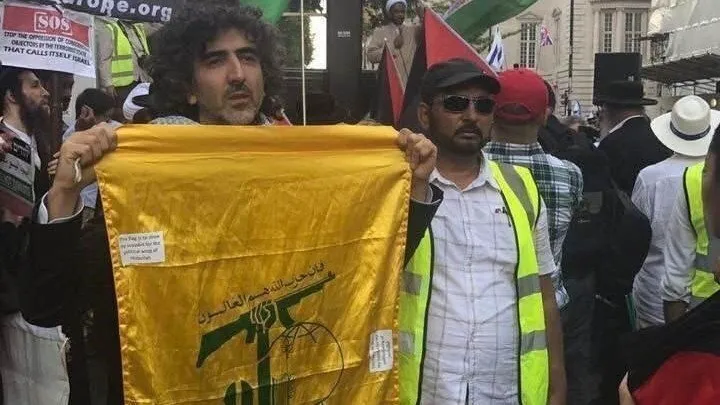
Ali Alizadeh, a London-based commentator, has repeatedly used his public platforms to defend the Islamic Republic of Iran, express support for Hezbollah, anti-Jewish, anti-USA and publicly align himself with the Islamic Revolutionary Guard Corps, while also making statements that include threats and calls for violent escalation.
In the United Kingdom, Hezbollah is a fully proscribed terrorist organization. Under the Terrorism Act 2000 (Sections 12–13), inviting or expressing support for a proscribed organization—especially in a public and influential context—can constitute a criminal offence. Furthermore, under the Terrorism Act 2006, statements that encourage, justify, or glorify violence or terrorism are subject to legal scrutiny and enforcement.
- Additional Public Concerns: Threats, Hate Speech, and Support for Violent Repression Publicly available statements and media appearances also indicate that Ali Alizadeh has:
- Used rhetoric that includes threats and intimidation directed at Iranian individuals and protesters, including statements suggesting that those opposing the Islamic Revolutionary Guard Corps (IRGC) or the Islamic Republic should face severe punishment, including execution
- Expressed support for the leadership of the Islamic Republic, including Ali Khamenei, whose administration has been widely associated with crackdowns, arrests, and executions of protesters. Recent reports highlight that Iranian authorities have called for harsh punishment and executions of dissenters during periods of unrest
- Promoted or justified narratives aligned with state-led repression, including actions against protesters and dissidents, which raises serious concerns when echoed by individuals operating in Western jurisdictions
These elements, taken together with previously outlined concerns—including support for Hezbollah—contribute to a broader pattern of public conduct that raises legitimate questions under UK counter-terrorism, public order, and national security frameworks.
In addition, rhetoric involving threats, intimidation, or incitement to violence falls within the scope of the Public Order Act 1986, which governs abusive or threatening conduct that may endanger public safety or social stability.
Across Europe, similar legal principles apply. Under frameworks aligned with the European Convention on Human Rights, freedom of expression is protected—but it does not extend to speech that promotes violence, supports terrorist organizations, or undermines public order and security. These are established legal boundaries, not political interpretations.
This pattern of conduct raises serious concerns that warrant attention—not only from the public, but also from media and relevant institutions. Similar cases in Western jurisdictions have led to investigations, legal action, and immigration enforcement where links to sanctioned or extremist-aligned entities were involved.
This issue is being raised for clear reasons: to ensure public awareness, to prompt media scrutiny, to inform international audiences, and to demonstrate the unity of Iranians who reject violence, intimidation, and extremist alignment. In addition, there are concerns regarding his public support for individuals linked to extremist-aligned activities. This includes expressions of support for Yousof Sadat Azizi, who has been detained in the United States with involvement from federal authorities, including the Federal Bureau of Investigation and immigration enforcement agencies, and is currently facing immigration proceedings in connection with alleged ties to organizations affiliated with the Islamic Revolutionary Guard Corps. Publicly supporting individuals under such serious legal scrutiny further raises concerns regarding judgment, alignment, and the broader implications of these associations.
This is not about silencing opinion. It is about the consistent and equal application of the law. If such conduct meets legal thresholds, it must be reviewed under the relevant legal frameworks of the United Kingdom and Europe.
⚖️We respectfully call on the relevant authorities in the United Kingdom, including the Home Office, to:
- Open a formal review into the public statements, activities, and affiliations of Ali Alizadeh
Assess whether these statements constitute support for a proscribed organisation, including Hezbollah, under the Terrorism Act 2000 - Examine whether any statements amount to encouragement or justification of violence under the Terrorism Act 2006
- Evaluate whether any rhetoric meets the threshold for threats, intimidation, or incitement under the Public Order Act 1986
- Review whether such conduct is compatible with the responsibilities associated with residency or citizenship in the UK, including considerations under the British Nationality Act 1981, where applicable
- Take appropriate legal or administrative action, if and where legal thresholds are met
Referred to:
The Right Honourable Shabana Mahmood MP Secretary of State for the Home Department (Home Secretary)
The Right Honourable Dan Jarvis MBE MP Minister of State for Security
The Right Honourable Sir Keir Starmer KCB KC MP Prime Minister of the United Kingdom

158
The Issue
Ali Alizadeh, a London-based commentator, has repeatedly used his public platforms to defend the Islamic Republic of Iran, express support for Hezbollah, anti-Jewish, anti-USA and publicly align himself with the Islamic Revolutionary Guard Corps, while also making statements that include threats and calls for violent escalation.
In the United Kingdom, Hezbollah is a fully proscribed terrorist organization. Under the Terrorism Act 2000 (Sections 12–13), inviting or expressing support for a proscribed organization—especially in a public and influential context—can constitute a criminal offence. Furthermore, under the Terrorism Act 2006, statements that encourage, justify, or glorify violence or terrorism are subject to legal scrutiny and enforcement.
- Additional Public Concerns: Threats, Hate Speech, and Support for Violent Repression Publicly available statements and media appearances also indicate that Ali Alizadeh has:
- Used rhetoric that includes threats and intimidation directed at Iranian individuals and protesters, including statements suggesting that those opposing the Islamic Revolutionary Guard Corps (IRGC) or the Islamic Republic should face severe punishment, including execution
- Expressed support for the leadership of the Islamic Republic, including Ali Khamenei, whose administration has been widely associated with crackdowns, arrests, and executions of protesters. Recent reports highlight that Iranian authorities have called for harsh punishment and executions of dissenters during periods of unrest
- Promoted or justified narratives aligned with state-led repression, including actions against protesters and dissidents, which raises serious concerns when echoed by individuals operating in Western jurisdictions
These elements, taken together with previously outlined concerns—including support for Hezbollah—contribute to a broader pattern of public conduct that raises legitimate questions under UK counter-terrorism, public order, and national security frameworks.
In addition, rhetoric involving threats, intimidation, or incitement to violence falls within the scope of the Public Order Act 1986, which governs abusive or threatening conduct that may endanger public safety or social stability.
Across Europe, similar legal principles apply. Under frameworks aligned with the European Convention on Human Rights, freedom of expression is protected—but it does not extend to speech that promotes violence, supports terrorist organizations, or undermines public order and security. These are established legal boundaries, not political interpretations.
This pattern of conduct raises serious concerns that warrant attention—not only from the public, but also from media and relevant institutions. Similar cases in Western jurisdictions have led to investigations, legal action, and immigration enforcement where links to sanctioned or extremist-aligned entities were involved.
This issue is being raised for clear reasons: to ensure public awareness, to prompt media scrutiny, to inform international audiences, and to demonstrate the unity of Iranians who reject violence, intimidation, and extremist alignment. In addition, there are concerns regarding his public support for individuals linked to extremist-aligned activities. This includes expressions of support for Yousof Sadat Azizi, who has been detained in the United States with involvement from federal authorities, including the Federal Bureau of Investigation and immigration enforcement agencies, and is currently facing immigration proceedings in connection with alleged ties to organizations affiliated with the Islamic Revolutionary Guard Corps. Publicly supporting individuals under such serious legal scrutiny further raises concerns regarding judgment, alignment, and the broader implications of these associations.
This is not about silencing opinion. It is about the consistent and equal application of the law. If such conduct meets legal thresholds, it must be reviewed under the relevant legal frameworks of the United Kingdom and Europe.
⚖️We respectfully call on the relevant authorities in the United Kingdom, including the Home Office, to:
- Open a formal review into the public statements, activities, and affiliations of Ali Alizadeh
Assess whether these statements constitute support for a proscribed organisation, including Hezbollah, under the Terrorism Act 2000 - Examine whether any statements amount to encouragement or justification of violence under the Terrorism Act 2006
- Evaluate whether any rhetoric meets the threshold for threats, intimidation, or incitement under the Public Order Act 1986
- Review whether such conduct is compatible with the responsibilities associated with residency or citizenship in the UK, including considerations under the British Nationality Act 1981, where applicable
- Take appropriate legal or administrative action, if and where legal thresholds are met
Referred to:
The Right Honourable Shabana Mahmood MP Secretary of State for the Home Department (Home Secretary)
The Right Honourable Dan Jarvis MBE MP Minister of State for Security
The Right Honourable Sir Keir Starmer KCB KC MP Prime Minister of the United Kingdom
158
The Decision Makers

Supporter Voices
Petition Updates
Share this petition
Petition created on April 17, 2026