

Regulate LED Headlights to Reduce Dangerous Glare
The Issue
My ex girlfriend, like many others, suffers from astigmatism, making night driving particularly challenging. Recently, she was momentarily blinded by the glare of oncoming LED headlights and nearly veered off the road into a ditch. Thankfully, she regained control, but this incident underscores the dangers of excessively bright headlights for all road users.
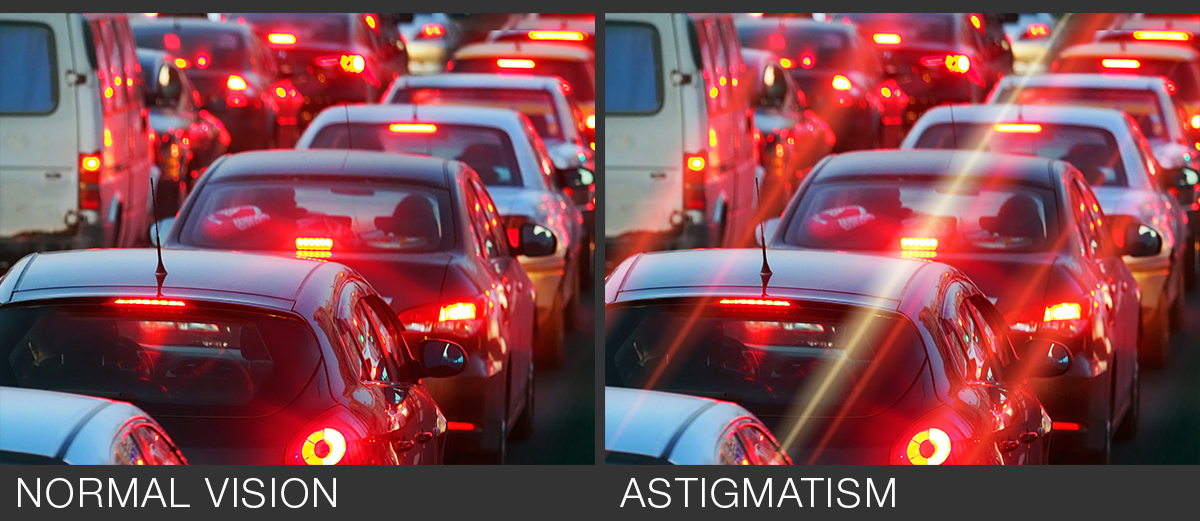
Here’s a side by side comparison of normal vision and astigmatism vision:
Modern LED headlights, even on low beams, are intensely bright, leading to:
- Disability Glare: Disability glare reduces visibility by lowering the contrast of objects, making it difficult to see, especially at night. According to the National Highway Traffic Safety Administration (NHTSA), older drivers are particularly vulnerable to this type of glare, as it can significantly affect their ability to see clearly and slow their reaction times.
- Discomfort Glare: While it doesn’t necessarily impair vision, discomfort glare causes significant visual discomfort and distraction. The American Optometric Association (AOA) has noted that modern headlights, especially LEDs, increase discomfort glare, making night driving unpleasant and potentially unsafe for many drivers.
For more insight, watch this CBC News report: “Blinded by the light? New LED headlights are extremely bright”
International Practices
In contrast to North America, many countries have implemented strict glare control measures, such as:
- Adaptive Driving Beam (ADB) Systems: Widely used in Europe and Japan, ADB headlights automatically adjust the beam pattern to prevent dazzling other drivers while maintaining optimal illumination for the driver.
- Headlamp Leveling Systems: European regulations mandate headlamp leveling systems that adjust the vertical aim of headlights based on vehicle load, ensuring proper alignment and reducing glare.
Proposed Solutions
To enhance road safety in North America, we urge the implementation of the following measures:
- Set Limits on Brightness: Establish a maximum luminance standard for LED headlights, measured in lumens, to reduce excessive glare.
- Enforce Proper Alignment: Mandate regular inspections to ensure headlights are correctly angled and aligned.
- Encourage Adaptive Technology: Promote the adoption of glare-reducing headlights, such as adaptive systems that automatically adjust brightness based on surrounding conditions and traffic.
Why This Matters
Implementing these measures will align North American standards with international best practices, making roads safer for everyone—especially individuals like my girlfriend, older drivers, and those struggling with night glare.
Call to Action:
This is a public safety issue requiring urgent attention. Please join me in advocating for stricter regulations on LED headlights.

109
The Issue
My ex girlfriend, like many others, suffers from astigmatism, making night driving particularly challenging. Recently, she was momentarily blinded by the glare of oncoming LED headlights and nearly veered off the road into a ditch. Thankfully, she regained control, but this incident underscores the dangers of excessively bright headlights for all road users.
Here’s a side by side comparison of normal vision and astigmatism vision:
Modern LED headlights, even on low beams, are intensely bright, leading to:
- Disability Glare: Disability glare reduces visibility by lowering the contrast of objects, making it difficult to see, especially at night. According to the National Highway Traffic Safety Administration (NHTSA), older drivers are particularly vulnerable to this type of glare, as it can significantly affect their ability to see clearly and slow their reaction times.
- Discomfort Glare: While it doesn’t necessarily impair vision, discomfort glare causes significant visual discomfort and distraction. The American Optometric Association (AOA) has noted that modern headlights, especially LEDs, increase discomfort glare, making night driving unpleasant and potentially unsafe for many drivers.
For more insight, watch this CBC News report: “Blinded by the light? New LED headlights are extremely bright”
International Practices
In contrast to North America, many countries have implemented strict glare control measures, such as:
- Adaptive Driving Beam (ADB) Systems: Widely used in Europe and Japan, ADB headlights automatically adjust the beam pattern to prevent dazzling other drivers while maintaining optimal illumination for the driver.
- Headlamp Leveling Systems: European regulations mandate headlamp leveling systems that adjust the vertical aim of headlights based on vehicle load, ensuring proper alignment and reducing glare.
Proposed Solutions
To enhance road safety in North America, we urge the implementation of the following measures:
- Set Limits on Brightness: Establish a maximum luminance standard for LED headlights, measured in lumens, to reduce excessive glare.
- Enforce Proper Alignment: Mandate regular inspections to ensure headlights are correctly angled and aligned.
- Encourage Adaptive Technology: Promote the adoption of glare-reducing headlights, such as adaptive systems that automatically adjust brightness based on surrounding conditions and traffic.
Why This Matters
Implementing these measures will align North American standards with international best practices, making roads safer for everyone—especially individuals like my girlfriend, older drivers, and those struggling with night glare.
Call to Action:
This is a public safety issue requiring urgent attention. Please join me in advocating for stricter regulations on LED headlights.
The Decision Makers

Supporter Voices
Petition Updates
Share this petition
Petition created on December 23, 2024