Reduction of Food Deserts in Arizona

Reduction of Food Deserts in Arizona
The Issue
Reducing and Eliminating Food Dessert in Phoenix
After a long day of work or school, you face the dreaded task of making dinner. The closest grocery store is over 5 miles away, while McDonald’s is just down the road. After a hard day, you settle for that greasy burger you’ve been craving. The next day, you feel guilty for eating something so unhealthy, so you borrow your parents’ car because you can’t afford one yourself in this economy. You make the long drive to the nearest grocery store and start filling your cart with vegetables, meats, fruits, and carbs, feeling good about your choices—until you hit the register. Four items total over $60. If you did this more often, it would cost you over $200 a week, which isn’t sustainable as a poor student. You could have gotten a frozen food pack that would last days for much less. Plus, having the energy to drive there and use up gas is a luxury you can’t afford.
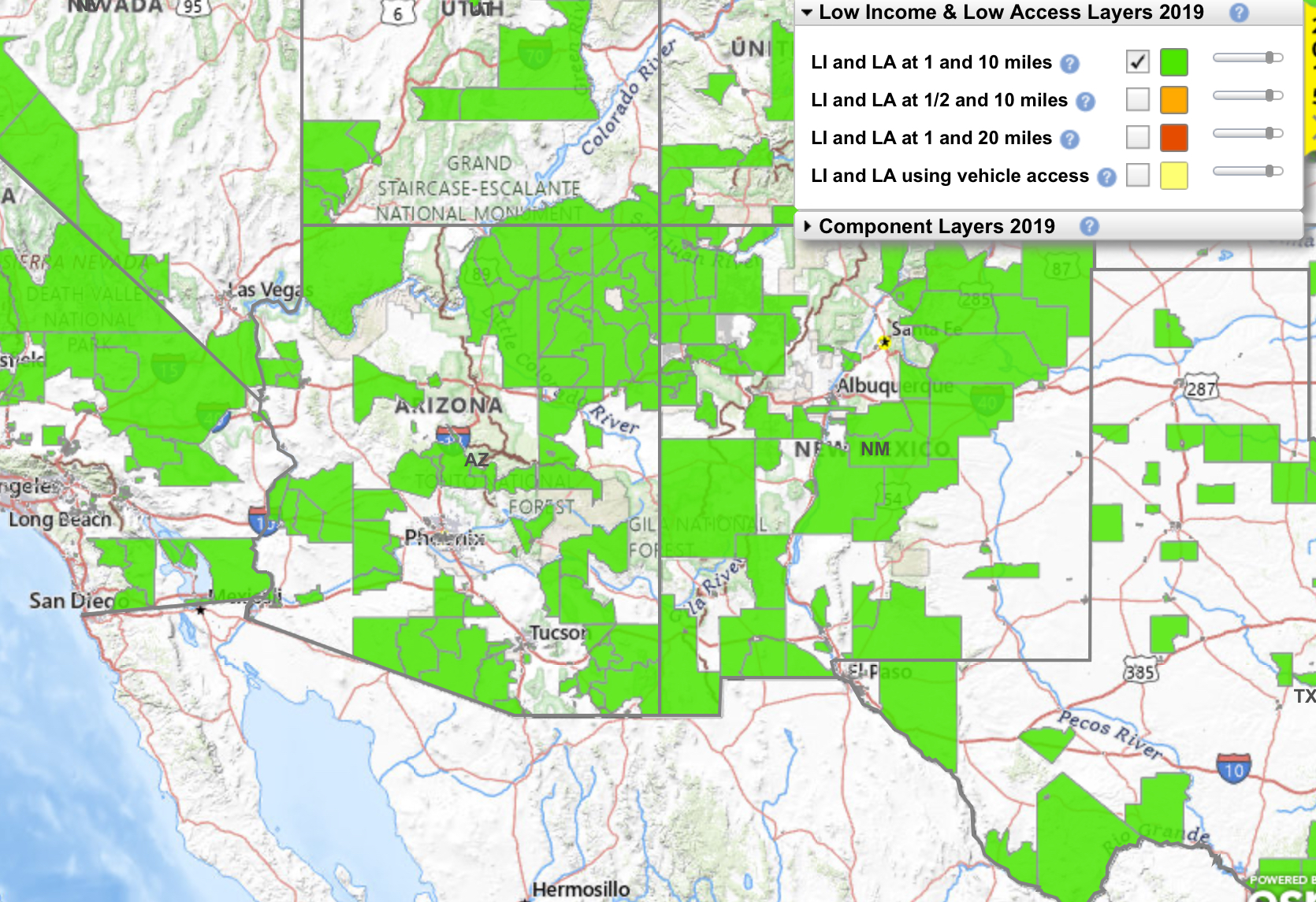
Living in a food desert is the harsh reality for many low-income Americans, and this problem should be reduced or eliminated. Food deserts are areas within a 1 to 10-mile radius that have limited or no access to affordable, nutritious, and healthy food. Scarce food access and limited public transportation force people to turn to fast food or convenience stores. The poor nutrition from these high-fat, saturated foods leads to higher rates of chronic diseases like obesity, hypertension, diabetes, and more. Even though Arizona has great potential for agriculture, the City of Phoenix identifies over 40 food deserts in the metro area alone, affecting hundreds of people in each. With inflation, rising medical costs, and limited healthcare access, it’s crucial we address these food deserts and support our neighbors.
Understanding the Issue
Many food deserts are found in low-income neighborhoods, rural tribal communities, and areas with limited public infrastructure. A food desert is not just the absence of grocery stores; it is part of a broader system of inequality that includes issues like transportation, zoning laws, income disparities, and a lack of investment. These disparities will continue to grow if we don’t address the issue. It creates a cycle where poor nutrition leads to chronic health problems, which then result in medical financial burdens that keep people trapped in poverty. Medical debt is one of the top five reasons people file for bankruptcy in America.
How to Help!
First, identify a food desert in Arizona. Follow this link and enter “Phoenix, Arizona” to see all the identified food deserts. -> Food Desert Map
Next choose the best way for you to help reduce and eliminate these food deserts!
What can you do?
- Educate yourself and others on Nutrition and it’s importance | https://www.azed.gov/hns
- Create, support, and maintain community gardens | https://www.goodfoodfinderaz.com/community-gardens-2
- Support farmers’ markets and local businesses | https://downtownphoenixfarmersmarket.org/
- Vote for officials who want to help low-income communities and protect important welfare funding
- Sign this petition!
What can you tell your official to do?
Contact elected Arizona government officials to represent your voice and needs for our state! Use this link to find out who they are -> AZ OFFICIALS
- Create tax incentives for grocery stores in food deserts.
- Provide funding for urban agriculture.
- Improve and fund public transportation.
- Offer grants and funding for local food initiatives.
- Streamline the permitting process or waive fees for businesses wanting to open in food deserts.
- Advocate for the protection and increase of important funding in the federal Government to solve these issues
Thank you for reading this through and advocating for the erasure of food deserts. By taking these small steps, we will create a happier and healthier Arizona for everyone no matter the income or area.

27
The Issue
Reducing and Eliminating Food Dessert in Phoenix
After a long day of work or school, you face the dreaded task of making dinner. The closest grocery store is over 5 miles away, while McDonald’s is just down the road. After a hard day, you settle for that greasy burger you’ve been craving. The next day, you feel guilty for eating something so unhealthy, so you borrow your parents’ car because you can’t afford one yourself in this economy. You make the long drive to the nearest grocery store and start filling your cart with vegetables, meats, fruits, and carbs, feeling good about your choices—until you hit the register. Four items total over $60. If you did this more often, it would cost you over $200 a week, which isn’t sustainable as a poor student. You could have gotten a frozen food pack that would last days for much less. Plus, having the energy to drive there and use up gas is a luxury you can’t afford.
Living in a food desert is the harsh reality for many low-income Americans, and this problem should be reduced or eliminated. Food deserts are areas within a 1 to 10-mile radius that have limited or no access to affordable, nutritious, and healthy food. Scarce food access and limited public transportation force people to turn to fast food or convenience stores. The poor nutrition from these high-fat, saturated foods leads to higher rates of chronic diseases like obesity, hypertension, diabetes, and more. Even though Arizona has great potential for agriculture, the City of Phoenix identifies over 40 food deserts in the metro area alone, affecting hundreds of people in each. With inflation, rising medical costs, and limited healthcare access, it’s crucial we address these food deserts and support our neighbors.
Understanding the Issue
Many food deserts are found in low-income neighborhoods, rural tribal communities, and areas with limited public infrastructure. A food desert is not just the absence of grocery stores; it is part of a broader system of inequality that includes issues like transportation, zoning laws, income disparities, and a lack of investment. These disparities will continue to grow if we don’t address the issue. It creates a cycle where poor nutrition leads to chronic health problems, which then result in medical financial burdens that keep people trapped in poverty. Medical debt is one of the top five reasons people file for bankruptcy in America.
How to Help!
First, identify a food desert in Arizona. Follow this link and enter “Phoenix, Arizona” to see all the identified food deserts. -> Food Desert Map
Next choose the best way for you to help reduce and eliminate these food deserts!
What can you do?
- Educate yourself and others on Nutrition and it’s importance | https://www.azed.gov/hns
- Create, support, and maintain community gardens | https://www.goodfoodfinderaz.com/community-gardens-2
- Support farmers’ markets and local businesses | https://downtownphoenixfarmersmarket.org/
- Vote for officials who want to help low-income communities and protect important welfare funding
- Sign this petition!
What can you tell your official to do?
Contact elected Arizona government officials to represent your voice and needs for our state! Use this link to find out who they are -> AZ OFFICIALS
- Create tax incentives for grocery stores in food deserts.
- Provide funding for urban agriculture.
- Improve and fund public transportation.
- Offer grants and funding for local food initiatives.
- Streamline the permitting process or waive fees for businesses wanting to open in food deserts.
- Advocate for the protection and increase of important funding in the federal Government to solve these issues
Thank you for reading this through and advocating for the erasure of food deserts. By taking these small steps, we will create a happier and healthier Arizona for everyone no matter the income or area.
27
The Decision Makers


Petition Updates
Share this petition
Petition created on April 1, 2025