
Reconsider the Refused Classification of Halloween: The Game
The issue
Petition to Reconsider the Refused Classification of Halloween: The Game
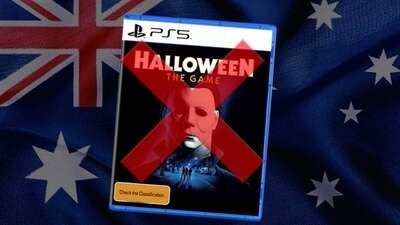
On the 22nd of July 2026, Australia refused classification (RC) for Halloween: The Game. According to the Australian Classification Board's explanation, the reason for the decision was not the game's violence or its slasher-horror content, but its depiction of marijuana use being connected to a gameplay advantage.
The Board observed gameplay in which the player can use a marijuana "joint" that provides an ability intended to assist the player in surviving a match. The Board determined that this constitutes illicit drug use related to an incentive or reward, and under the current classification rules, required the game to receive an RC classification.
I am asking for this decision to be reconsidered.
I am not asking the Australian Classification Board to ignore the game's content, nor am I suggesting that Halloween: The Game is suitable for children. I am asking that the game's content be considered within the broader context of Australia's existing R18+ classification system and the way interactive drug use is already treated in other video games.
Australia already permits mature games containing drug use
Grand Theft Auto V is classified R18+ in Australia and carries consumer advice for drug use. Later modified versions have also been classified R18+ with consumer advice covering high-impact themes, drug use, violence, sex and online interactivity.
The game contains fictional substances and drug-related gameplay, including substances that can affect gameplay and provide advantages to the player.
The existence of GTA V demonstrates that the presence of drug use within an interactive video game does not, by itself, make that game incapable of receiving an R18+ classification.
More recently, Schedule I was classified R18+ in Australia with consumer advice for high-impact drug themes, interactive drug use and simulated gambling. Its gameplay revolves around growing, manufacturing and selling drugs including marijuana, cocaine and methamphetamine. Players can also interactively consume marijuana, methamphetamine and cocaine.
The Classification Board specifically noted that the interactive drug use in Schedule I was not linked to direct incentives or rewards. That distinction is important, but it also demonstrates that Australian classification standards already recognise interactive drug use within an R18+ video game.
The question raised by Halloween: The Game is therefore more specific:
Should a fictional depiction of marijuana use that provides a gameplay advantage necessarily prevent an otherwise adult horror game from receiving an R18+ classification?
The issue is the classification framework, not whether the content exists
The Classification Board's response to members of the public makes clear that it is applying the current legislation and guidelines as written.
That is precisely why this issue deserves further consideration.
If the existing rules require Halloween: The Game to be refused classification because its fictional marijuana use provides a gameplay advantage, then the relevant question should not simply be whether the game contains a prohibited element.
The broader question is whether Australia's current classification framework is producing a proportionate and consistent outcome when compared with other mature games that are already legally available to Australian adults.
An R18+ classification exists specifically for computer games containing high-impact adult material. The classification system provides a mechanism for identifying mature content, communicating that content to consumers and legally restricting access to people aged 18 and over.
The answer to mature content does not always have to be unrestricted access. Classification is itself the mechanism for dealing with mature content.
This is not an argument that every game should receive R18+
I recognise that every game must be assessed according to its own content and the legislation and guidelines that apply to it.
I am not arguing that Halloween: The Game should automatically receive R18+ simply because other games have done so.
I am asking for the decision to be reconsidered in light of the actual content at issue and the broader application of Australia's classification system.
The game is a mature horror title based on the Halloween franchise. Its intended audience is adults and horror fans. It is not children's entertainment, and an R18+ classification would make that distinction clear.
If the appropriate classification is R18+, then the game could be legally restricted to adults and accompanied by appropriate consumer advice regarding its content.
If the current legislation genuinely prevents that outcome because of the specific interaction between illicit drug use and gameplay rewards, then that raises a broader policy question about whether the classification rules themselves should be reconsidered.
Rockstar Games' Manhunt and the changing classification landscape
Manhunt provides another important historical example when considering how Australia's treatment of mature video games has changed.
Manhunt was originally classified MA15+ in Australia before an Attorney-General-initiated review took place in 2004. The Review Board ultimately determined that the game should be Refused Classification under the classification framework that existed at that time.
The decision was made more than two decades ago, before Australia's modern R18+ classification framework for computer games existed in its current form.
This does not mean that Manhunt and Halloween: The Game are identical, nor does it mean that the classification of one game should automatically determine the classification of another.
Instead, Manhunt demonstrates why Australia's approach to mature video games should be considered in the context of the classification framework that exists today.
Australia's video game classification system has evolved considerably since 2004. Australian adults can now legally purchase and play R18+ games containing extremely violent material, mature themes and interactive drug use.
The continued refusal of older games such as Manhunt also raises the broader question of whether historical classification decisions should remain effectively permanent when the classification environment surrounding video games has changed substantially.
For Halloween: The Game, this reinforces the central point:
A mature game should be assessed according to the classification framework applicable today, with its specific content and context properly considered.
A classification system should reflect the standards of today
Australia's treatment of video games has changed considerably over time. The introduction and continued use of the R18+ category has provided Australian adults with legal access to games containing high-impact violence, drug use, sexual content and other mature themes.
The continued availability of games such as Grand Theft Auto V and Schedule I demonstrates that Australian adults are already permitted to engage with interactive depictions of drugs within appropriately classified video games.
The issue with Halloween: The Game therefore deserves to be examined carefully rather than reduced to the simple conclusion that "the game contains marijuana."
The specific issue is how that marijuana use interacts with gameplay and whether the resulting content should necessarily require Refused Classification rather than an adult-only classification.
Give Halloween: The Game a fair opportunity
For Australian horror fans, this is about more than simply wanting access to one particular game.
It is about whether Australia's classification system can accommodate modern interactive horror while still protecting minors and providing adults with meaningful information about mature content.
I am calling on the relevant Australian authorities and the Classification Review Board to reconsider the Refused Classification decision for Halloween: The Game.
At minimum, the game should be given the opportunity to be reviewed under the current classification framework, with an R18+ classification considered if legally and appropriately available.
Adults should not be treated as though mature entertainment must be harmless before they can access it.
The purpose of an adult classification is to recognise that the content is mature — not to pretend that mature content does not exist.
Halloween: The Game should be assessed fairly, transparently and in the context of Australia's modern approach to mature video games.
Reconsider the decision.
Apply the classification system.
Let Australian adults make informed choices.
Give Halloween: The Game a chance to be classified.
If you agree that Australian adults should have the opportunity to access mature horror games through the country's existing classification system, please sign this petition and support the call for Halloween: The Game to be reconsidered.

13
The issue
Petition to Reconsider the Refused Classification of Halloween: The Game
On the 22nd of July 2026, Australia refused classification (RC) for Halloween: The Game. According to the Australian Classification Board's explanation, the reason for the decision was not the game's violence or its slasher-horror content, but its depiction of marijuana use being connected to a gameplay advantage.
The Board observed gameplay in which the player can use a marijuana "joint" that provides an ability intended to assist the player in surviving a match. The Board determined that this constitutes illicit drug use related to an incentive or reward, and under the current classification rules, required the game to receive an RC classification.
I am asking for this decision to be reconsidered.
I am not asking the Australian Classification Board to ignore the game's content, nor am I suggesting that Halloween: The Game is suitable for children. I am asking that the game's content be considered within the broader context of Australia's existing R18+ classification system and the way interactive drug use is already treated in other video games.
Australia already permits mature games containing drug use
Grand Theft Auto V is classified R18+ in Australia and carries consumer advice for drug use. Later modified versions have also been classified R18+ with consumer advice covering high-impact themes, drug use, violence, sex and online interactivity.
The game contains fictional substances and drug-related gameplay, including substances that can affect gameplay and provide advantages to the player.
The existence of GTA V demonstrates that the presence of drug use within an interactive video game does not, by itself, make that game incapable of receiving an R18+ classification.
More recently, Schedule I was classified R18+ in Australia with consumer advice for high-impact drug themes, interactive drug use and simulated gambling. Its gameplay revolves around growing, manufacturing and selling drugs including marijuana, cocaine and methamphetamine. Players can also interactively consume marijuana, methamphetamine and cocaine.
The Classification Board specifically noted that the interactive drug use in Schedule I was not linked to direct incentives or rewards. That distinction is important, but it also demonstrates that Australian classification standards already recognise interactive drug use within an R18+ video game.
The question raised by Halloween: The Game is therefore more specific:
Should a fictional depiction of marijuana use that provides a gameplay advantage necessarily prevent an otherwise adult horror game from receiving an R18+ classification?
The issue is the classification framework, not whether the content exists
The Classification Board's response to members of the public makes clear that it is applying the current legislation and guidelines as written.
That is precisely why this issue deserves further consideration.
If the existing rules require Halloween: The Game to be refused classification because its fictional marijuana use provides a gameplay advantage, then the relevant question should not simply be whether the game contains a prohibited element.
The broader question is whether Australia's current classification framework is producing a proportionate and consistent outcome when compared with other mature games that are already legally available to Australian adults.
An R18+ classification exists specifically for computer games containing high-impact adult material. The classification system provides a mechanism for identifying mature content, communicating that content to consumers and legally restricting access to people aged 18 and over.
The answer to mature content does not always have to be unrestricted access. Classification is itself the mechanism for dealing with mature content.
This is not an argument that every game should receive R18+
I recognise that every game must be assessed according to its own content and the legislation and guidelines that apply to it.
I am not arguing that Halloween: The Game should automatically receive R18+ simply because other games have done so.
I am asking for the decision to be reconsidered in light of the actual content at issue and the broader application of Australia's classification system.
The game is a mature horror title based on the Halloween franchise. Its intended audience is adults and horror fans. It is not children's entertainment, and an R18+ classification would make that distinction clear.
If the appropriate classification is R18+, then the game could be legally restricted to adults and accompanied by appropriate consumer advice regarding its content.
If the current legislation genuinely prevents that outcome because of the specific interaction between illicit drug use and gameplay rewards, then that raises a broader policy question about whether the classification rules themselves should be reconsidered.
Rockstar Games' Manhunt and the changing classification landscape
Manhunt provides another important historical example when considering how Australia's treatment of mature video games has changed.
Manhunt was originally classified MA15+ in Australia before an Attorney-General-initiated review took place in 2004. The Review Board ultimately determined that the game should be Refused Classification under the classification framework that existed at that time.
The decision was made more than two decades ago, before Australia's modern R18+ classification framework for computer games existed in its current form.
This does not mean that Manhunt and Halloween: The Game are identical, nor does it mean that the classification of one game should automatically determine the classification of another.
Instead, Manhunt demonstrates why Australia's approach to mature video games should be considered in the context of the classification framework that exists today.
Australia's video game classification system has evolved considerably since 2004. Australian adults can now legally purchase and play R18+ games containing extremely violent material, mature themes and interactive drug use.
The continued refusal of older games such as Manhunt also raises the broader question of whether historical classification decisions should remain effectively permanent when the classification environment surrounding video games has changed substantially.
For Halloween: The Game, this reinforces the central point:
A mature game should be assessed according to the classification framework applicable today, with its specific content and context properly considered.
A classification system should reflect the standards of today
Australia's treatment of video games has changed considerably over time. The introduction and continued use of the R18+ category has provided Australian adults with legal access to games containing high-impact violence, drug use, sexual content and other mature themes.
The continued availability of games such as Grand Theft Auto V and Schedule I demonstrates that Australian adults are already permitted to engage with interactive depictions of drugs within appropriately classified video games.
The issue with Halloween: The Game therefore deserves to be examined carefully rather than reduced to the simple conclusion that "the game contains marijuana."
The specific issue is how that marijuana use interacts with gameplay and whether the resulting content should necessarily require Refused Classification rather than an adult-only classification.
Give Halloween: The Game a fair opportunity
For Australian horror fans, this is about more than simply wanting access to one particular game.
It is about whether Australia's classification system can accommodate modern interactive horror while still protecting minors and providing adults with meaningful information about mature content.
I am calling on the relevant Australian authorities and the Classification Review Board to reconsider the Refused Classification decision for Halloween: The Game.
At minimum, the game should be given the opportunity to be reviewed under the current classification framework, with an R18+ classification considered if legally and appropriately available.
Adults should not be treated as though mature entertainment must be harmless before they can access it.
The purpose of an adult classification is to recognise that the content is mature — not to pretend that mature content does not exist.
Halloween: The Game should be assessed fairly, transparently and in the context of Australia's modern approach to mature video games.
Reconsider the decision.
Apply the classification system.
Let Australian adults make informed choices.
Give Halloween: The Game a chance to be classified.
If you agree that Australian adults should have the opportunity to access mature horror games through the country's existing classification system, please sign this petition and support the call for Halloween: The Game to be reconsidered.
The Decision Makers


Petition Updates
Share this petition
Petition created on 24 September 2026