

PROTECT FREE SPEECH AND PROTEST: OPPOSE THE CRIME & POLICING BILL
The Issue
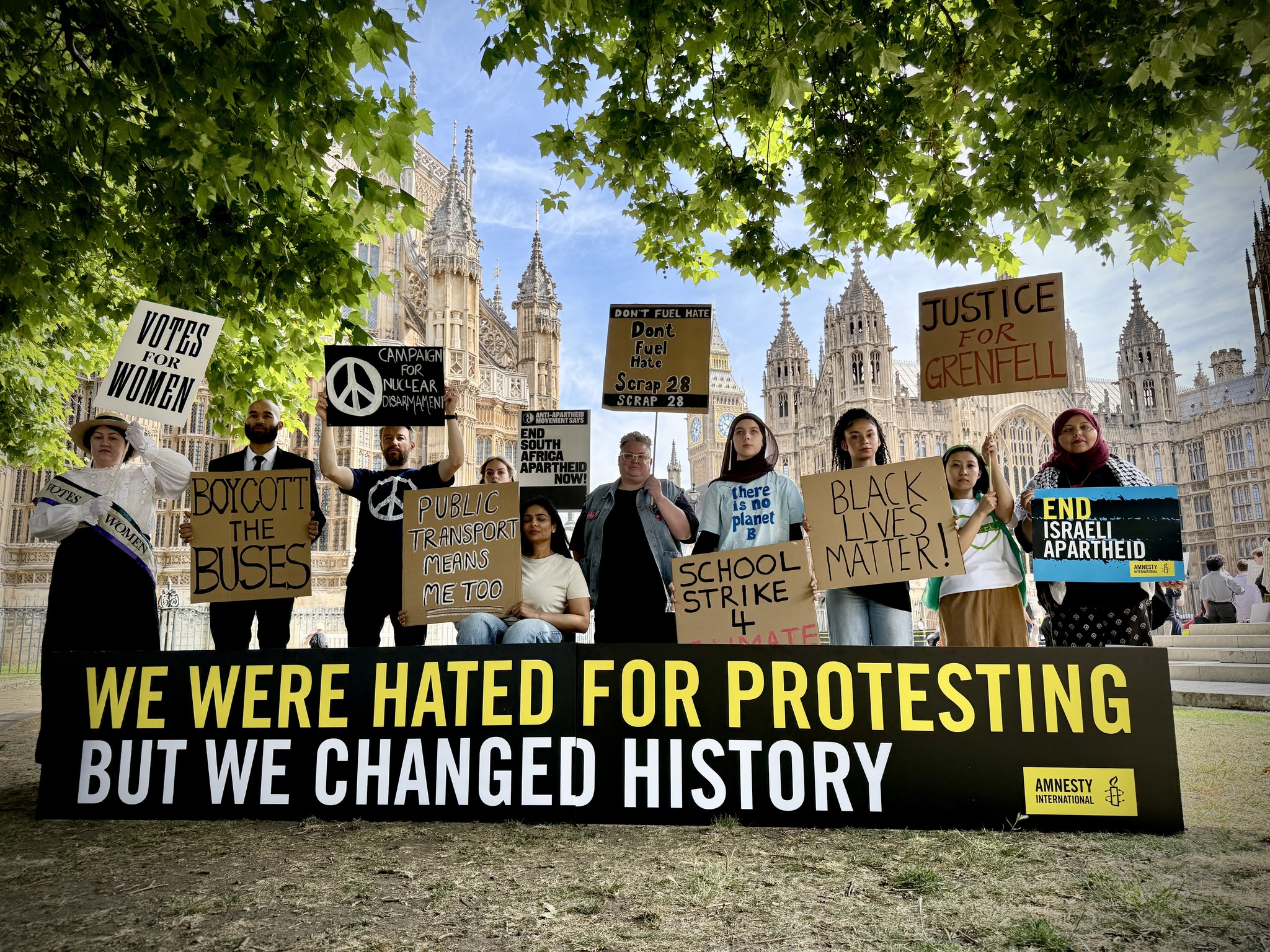
Britain is a country that is built on and celebrates free speech and protest. Statues of Millicent Fawcett and Gandhi overlook Parliament Square, the mass refusal to pay the Poll Tax resulted in its withdrawal, and the British anti-apartheid movement was instrumental in putting the racism of the South African regime on the world stage.
Votes for women, the minimum wage, the right to join a trade union, marriage equality, gay rights, disability rights, net-zero commitments, racial equality, the end of child labour, and access to abortion are just a snapshot of the things we enjoy today because of - not in spite of - protest and civil disobedience.
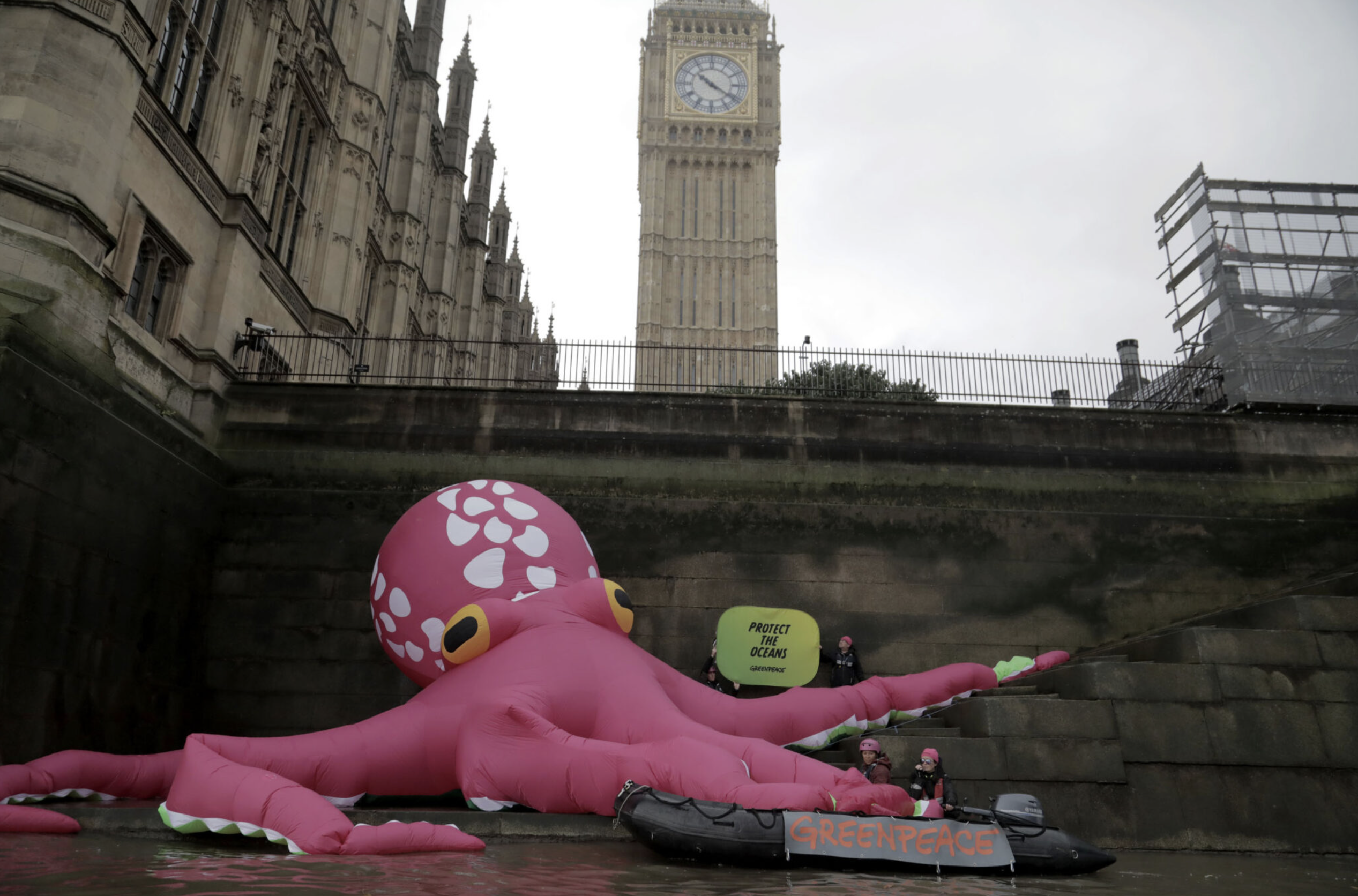
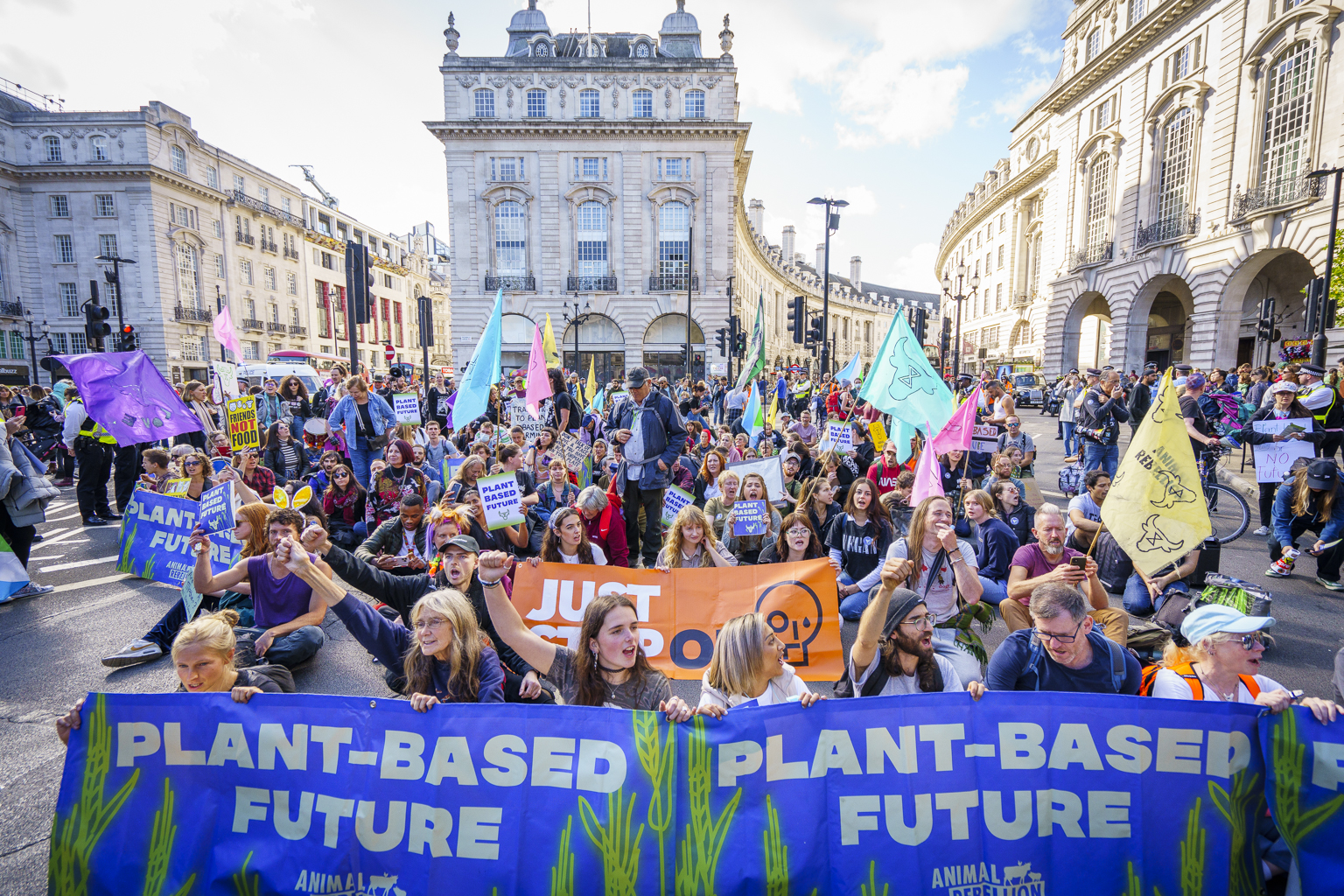
In recent years, we’ve seen juries acquit people from Palestine Action, Extinction Rebellion, Just Stop Oil, Animal Rising, and Greenpeace; it’s clear that when trials are not obstructed by evidence restrictions and juries hear the full picture, they understand why taking action to make the world a better place is not a crime.
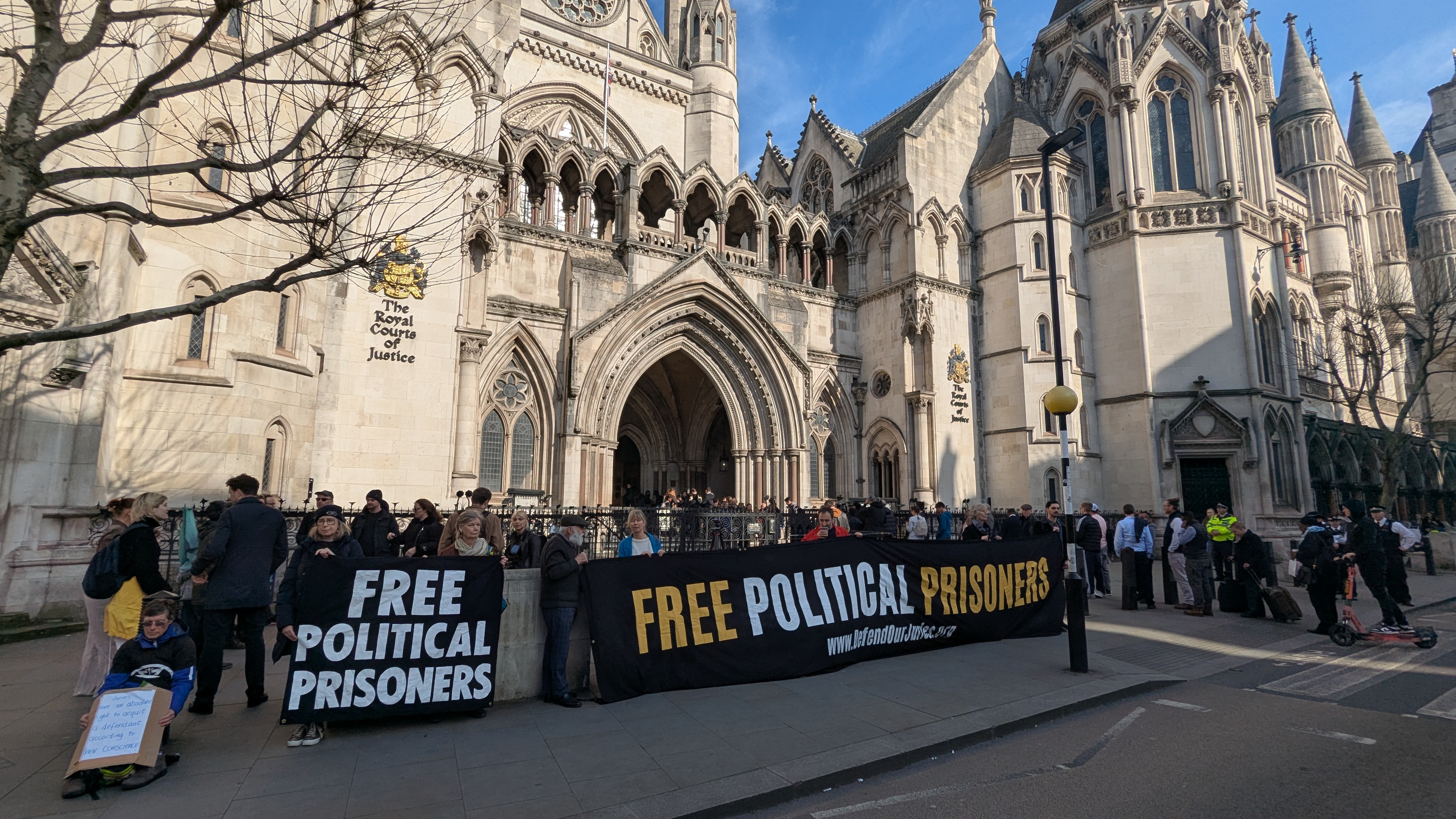
Despite all this, the British Government wants to close the door to anyone else who wants to follow in the footsteps of those like the Suffragettes. Last year, former Home Secretary Yvette Cooper - who has the right to be an MP thanks to protestors - proposed legislation to eradicate Britain’s right to effectively protest. The legislation includes, for example:
- The ability to outlaw protests based on vague and subjective “cumulative disruption” criteria and judgment (Amendment 372).
- Broad and unspecified restrictions on protests “near” places of worship (Clause 124).
- A new, separate offence for protests “near” the homes of Government officials - preventing ordinary people from holding ministers to account in their roles (Clause 137 and Amendment 371A).
- Outlawing the mere climbing - without any damage to - war memorials (Criminal Damage/ War Memorial Offence).
- Expanded police powers to restrict and change protest conditions with little to no explanation (Amendments 12, 14, and 14ZA of The Public Order Act).
- New, so-called, protest orders that would prevent people from attending protests to use their free speech rights, potentially including ankle-tagging (Amendments 12, 14, and 14ZA of The Public Order Act and the Public Order Act 2023).
- The creation of the “Extreme Criminal Protest Group” designation that would effectively give the Home Secretary the mandate to, as a dictator, proscribe any protest group they see fit (Clause 137 and Amendment 371A).
- Duplication and expansion of specific protest-linked offences around face coverings, noise limits, and - alleged - criminal damage (Clauses 118-120).
These are just the tip of the iceberg. Already, groups like Amnesty UK, Liberty, and the Good Law Project are raising concerns that the bill is illegally breaking the European Convention on Human Rights.
The Bill itself contains a number of laudable provisions that will, almost certainly, help in the fight against misogyny, male violence, stalking, harassment, racism, transphobia, and organised criminal activity. However, the raft of anti-free speech and anti-protest legislation alongside it is a slap in the face to the good work the bill includes.
There cannot be a functioning democracy unless the Government facilitates and accepts the right to protest and free speech, regardless of whether they like it or not.
We call on the House of Commons and the House of Lords to reject the aspects of the Bill that do this.

11,785
The Issue
Britain is a country that is built on and celebrates free speech and protest. Statues of Millicent Fawcett and Gandhi overlook Parliament Square, the mass refusal to pay the Poll Tax resulted in its withdrawal, and the British anti-apartheid movement was instrumental in putting the racism of the South African regime on the world stage.
Votes for women, the minimum wage, the right to join a trade union, marriage equality, gay rights, disability rights, net-zero commitments, racial equality, the end of child labour, and access to abortion are just a snapshot of the things we enjoy today because of - not in spite of - protest and civil disobedience.
In recent years, we’ve seen juries acquit people from Palestine Action, Extinction Rebellion, Just Stop Oil, Animal Rising, and Greenpeace; it’s clear that when trials are not obstructed by evidence restrictions and juries hear the full picture, they understand why taking action to make the world a better place is not a crime.
Despite all this, the British Government wants to close the door to anyone else who wants to follow in the footsteps of those like the Suffragettes. Last year, former Home Secretary Yvette Cooper - who has the right to be an MP thanks to protestors - proposed legislation to eradicate Britain’s right to effectively protest. The legislation includes, for example:
- The ability to outlaw protests based on vague and subjective “cumulative disruption” criteria and judgment (Amendment 372).
- Broad and unspecified restrictions on protests “near” places of worship (Clause 124).
- A new, separate offence for protests “near” the homes of Government officials - preventing ordinary people from holding ministers to account in their roles (Clause 137 and Amendment 371A).
- Outlawing the mere climbing - without any damage to - war memorials (Criminal Damage/ War Memorial Offence).
- Expanded police powers to restrict and change protest conditions with little to no explanation (Amendments 12, 14, and 14ZA of The Public Order Act).
- New, so-called, protest orders that would prevent people from attending protests to use their free speech rights, potentially including ankle-tagging (Amendments 12, 14, and 14ZA of The Public Order Act and the Public Order Act 2023).
- The creation of the “Extreme Criminal Protest Group” designation that would effectively give the Home Secretary the mandate to, as a dictator, proscribe any protest group they see fit (Clause 137 and Amendment 371A).
- Duplication and expansion of specific protest-linked offences around face coverings, noise limits, and - alleged - criminal damage (Clauses 118-120).
These are just the tip of the iceberg. Already, groups like Amnesty UK, Liberty, and the Good Law Project are raising concerns that the bill is illegally breaking the European Convention on Human Rights.
The Bill itself contains a number of laudable provisions that will, almost certainly, help in the fight against misogyny, male violence, stalking, harassment, racism, transphobia, and organised criminal activity. However, the raft of anti-free speech and anti-protest legislation alongside it is a slap in the face to the good work the bill includes.
There cannot be a functioning democracy unless the Government facilitates and accepts the right to protest and free speech, regardless of whether they like it or not.
We call on the House of Commons and the House of Lords to reject the aspects of the Bill that do this.
The Decision Makers

Supporter Voices
Petition Updates
Share this petition
Petition created on 23 March 2026