Protect Civilians and Prevent Ethnic Conflict in Northwestern Iran

Protect Civilians and Prevent Ethnic Conflict in Northwestern Iran
The Issue
We, the undersigned, call on international leaders and humanitarian institutions to urgently recognize the risks facing civilians in South Azerbaijan, the predominantly Azerbaijani Turkish regions of northwestern Iran, and to take steps to prevent a humanitarian and ethnic conflict in the region.
Who Are South Azerbaijanis
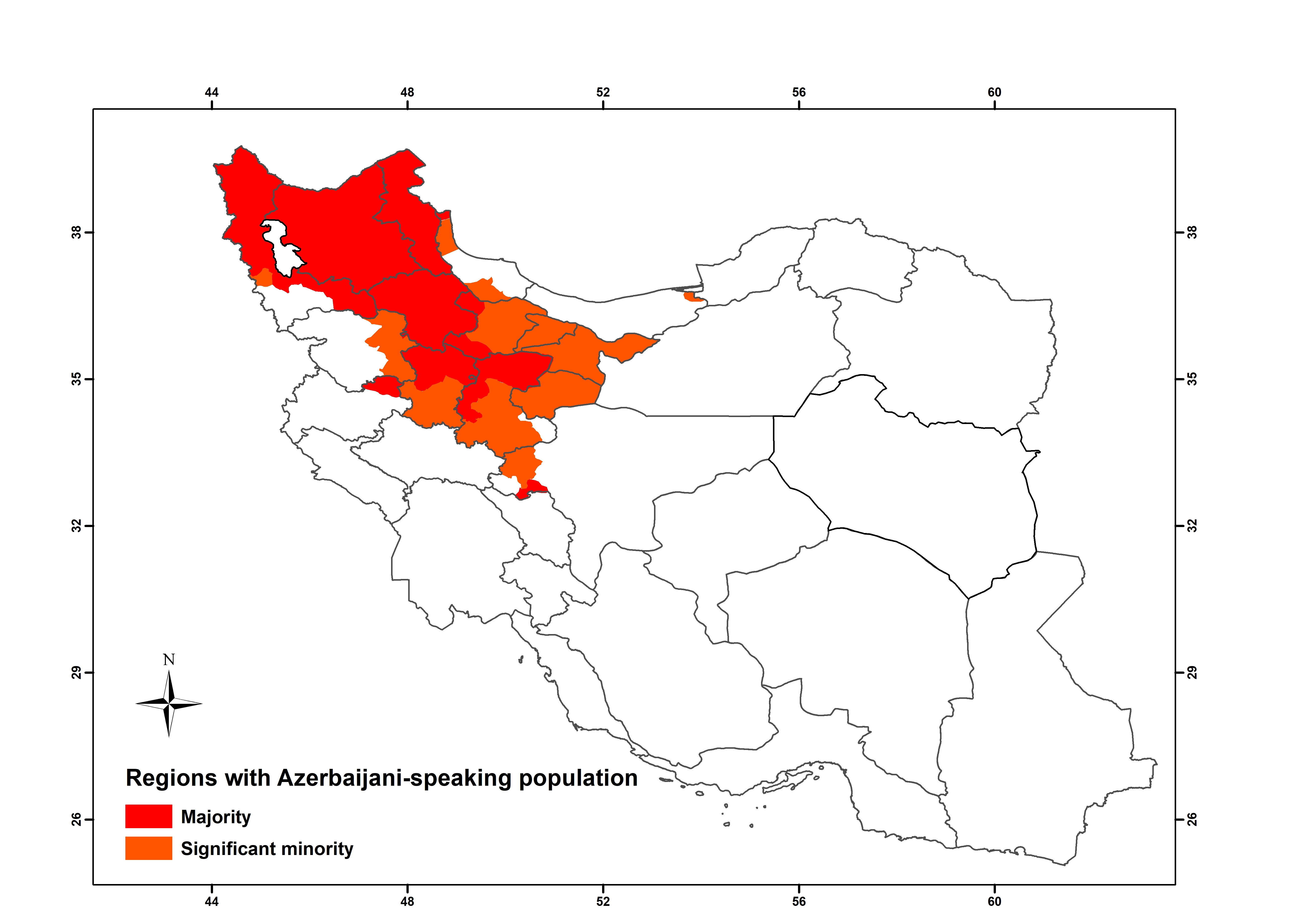
The Azerbaijani Turkish population of Iran commonly refers to themselves as South Azerbaijanis. They are one of the largest ethnic communities in Iran, with estimates suggesting roughly 25–30 million people living across provinces such as East Azerbaijan, West Azerbaijan, Ardabil, Zanjan, Qazvin, and Hamadan.
A Historically Sensitive Region
Because of the size of the Azerbaijani Turkish population in Iran, the region they call home has long been viewed by authorities through a security lens, resulting in heightened surveillance and periodic repression. This climate has historically discouraged public protest and political mobilization, as communities fear severe reprisals. At the same time, many Azerbaijani Turks have historically served within formal state institutions—such as the military and security services—rather than forming independent militias or insurgent movements. This has created a complex political environment in which Azerbaijani communities have limited independent capacity to protect their communities.
Escalating Military Strikes
Recent escalation in the Iran–Israel–U.S. conflict has led to airstrikes across several cities in Iran, including in areas heavily populated by Azerbaijani Turks. Azerbaijani-majority cities and areas that have been reported as affected or near strike zones include: Tabriz, Urmia, Zanjan, Sulduz (Naqadeh), Ardabil, Khoy, Maragheh, Miandoab. Residents fear that continued bombardment risks placing millions of civilians at risk.
Rising Ethnic Tensions
Like other non-Persian groups, Azerbaijani Turks and Kurds have faced discrimination under both the Pahlavi regime and the Islamic Republic. Over the past century, administrative divisions were drawn without regard for the ethnic composition, historical realities, or political concerns of minority communities. These policies have deepened tensions in areas where boundaries, representation, and local authority remain sensitive issues. In places such as West Azerbaijan Province, many Azerbaijani communities fear that broader instability could intensify territorial disputes, interethnic tensions, and the risk of violence or displacement in historically Azerbaijani-majority areas.
A Population Caught Between Multiple Threats
Many Azerbaijanis in Iran fear three simultaneous dangers:
- Crackdowns from the Islamic Republic in response to unrest or perceived separatism
- Continued military bombardment amid the widening regional conflict
- Potential ethnic violence if armed groups attempt to redraw territorial boundaries in northwestern Iran
If violence against Azerbaijani civilians were to escalate, it could risk drawing neighboring states into the conflict, including Turkiye and the Republic of Azerbaijan, dramatically widening the war. Preventing civilian suffering now could help stop a much larger crisis later.
Our Appeal
We call on international leaders and institutions to:
- Prioritize civilian protection in northwestern Iran and avoid military actions that could endanger heavily populated Azerbaijani cities.
- Support international monitoring of humanitarian conditions in South Azerbaijan.
- Discourage ethnic conflict in mixed regions such as West Azerbaijan Province.
- Promote dialogue and de-escalation to prevent a humanitarian crisis in the region.
- Recognize the voices of South Azerbaijanis who seek safety, dignity, ethnic equality, and protection from violence.
Our Goal
The people of South Azerbaijan should not become victims of geopolitical rivalry, ethnic conflict, or war. We urge the international community to act now to prevent civilian suffering, ethnic violence, and a wider regional war.

50
The Issue
We, the undersigned, call on international leaders and humanitarian institutions to urgently recognize the risks facing civilians in South Azerbaijan, the predominantly Azerbaijani Turkish regions of northwestern Iran, and to take steps to prevent a humanitarian and ethnic conflict in the region.
Who Are South Azerbaijanis
The Azerbaijani Turkish population of Iran commonly refers to themselves as South Azerbaijanis. They are one of the largest ethnic communities in Iran, with estimates suggesting roughly 25–30 million people living across provinces such as East Azerbaijan, West Azerbaijan, Ardabil, Zanjan, Qazvin, and Hamadan.
A Historically Sensitive Region
Because of the size of the Azerbaijani Turkish population in Iran, the region they call home has long been viewed by authorities through a security lens, resulting in heightened surveillance and periodic repression. This climate has historically discouraged public protest and political mobilization, as communities fear severe reprisals. At the same time, many Azerbaijani Turks have historically served within formal state institutions—such as the military and security services—rather than forming independent militias or insurgent movements. This has created a complex political environment in which Azerbaijani communities have limited independent capacity to protect their communities.
Escalating Military Strikes
Recent escalation in the Iran–Israel–U.S. conflict has led to airstrikes across several cities in Iran, including in areas heavily populated by Azerbaijani Turks. Azerbaijani-majority cities and areas that have been reported as affected or near strike zones include: Tabriz, Urmia, Zanjan, Sulduz (Naqadeh), Ardabil, Khoy, Maragheh, Miandoab. Residents fear that continued bombardment risks placing millions of civilians at risk.
Rising Ethnic Tensions
Like other non-Persian groups, Azerbaijani Turks and Kurds have faced discrimination under both the Pahlavi regime and the Islamic Republic. Over the past century, administrative divisions were drawn without regard for the ethnic composition, historical realities, or political concerns of minority communities. These policies have deepened tensions in areas where boundaries, representation, and local authority remain sensitive issues. In places such as West Azerbaijan Province, many Azerbaijani communities fear that broader instability could intensify territorial disputes, interethnic tensions, and the risk of violence or displacement in historically Azerbaijani-majority areas.
A Population Caught Between Multiple Threats
Many Azerbaijanis in Iran fear three simultaneous dangers:
- Crackdowns from the Islamic Republic in response to unrest or perceived separatism
- Continued military bombardment amid the widening regional conflict
- Potential ethnic violence if armed groups attempt to redraw territorial boundaries in northwestern Iran
If violence against Azerbaijani civilians were to escalate, it could risk drawing neighboring states into the conflict, including Turkiye and the Republic of Azerbaijan, dramatically widening the war. Preventing civilian suffering now could help stop a much larger crisis later.
Our Appeal
We call on international leaders and institutions to:
- Prioritize civilian protection in northwestern Iran and avoid military actions that could endanger heavily populated Azerbaijani cities.
- Support international monitoring of humanitarian conditions in South Azerbaijan.
- Discourage ethnic conflict in mixed regions such as West Azerbaijan Province.
- Promote dialogue and de-escalation to prevent a humanitarian crisis in the region.
- Recognize the voices of South Azerbaijanis who seek safety, dignity, ethnic equality, and protection from violence.
Our Goal
The people of South Azerbaijan should not become victims of geopolitical rivalry, ethnic conflict, or war. We urge the international community to act now to prevent civilian suffering, ethnic violence, and a wider regional war.
50
Petition created on March 19, 2026