

Preserve Orlando’s Neighborhoods: Support Responsible Siting of Cell Phone Towers
The Issue
Please sign and share! We need your support for the 01/21/25 city planning board.
Petition to Oppose the Installation of a Cell Phone Tower in Meridian Parks, a Community in the Starwood Planned Development.
We, the undersigned, hereby submit this petition to the Orlando City Council to strongly oppose the installation of a cell phone tower at coordinates N28.444932, W81.210124. This proposed tower site, located less than 800 feet from Innovation High School and a few hundred feet from future trails, walkways, and homes raises significant concerns for our community.
Summary of Concerns:
On December 14, 2023, the local community was made aware of the proposal to install a cell phone tower in Meridian Parks. The site for this tower is designated as residential land, planned to be park and open space in our community master plan. Furthermore, the tower will be situated just over a mile from two existing towers.
Reasons for Opposition:
1. Property Value and Tax Collection Impacts
2. Aesthetic Impacts
3. Community Impacts
4. Lack of Need
5. Alternate Site Availability
6. City Governance
7. Safety Risks
8. Health Impacts
9. Nature and Pet Impacts
We Urge the City Council to:
1. Reject the proposed installation of the cell phone tower in our neighborhood.
2. Conduct a thorough evaluation of the potential impacts on our community.
3. Explore alternative sites such as the landfill, pump station, utility, and planned commercial sites, which are more strategic to the network, lay less than a mile from the proposed site, and would minimize adverse effects on residents and the community.
We thank the City Council for considering our concerns and urge them to prioritize the well-being and safety of residents.
Details (http://preserveorlando.com/)
1. Property and Tax Collection Impacts: Classified as hazards by HUD, cell towers diminish the desirability and value of nearby properties due to concerns associated with aesthetics, safety, health, nature, and pets. Studies demonstrate a documented decline in property values, potentially exceeding 20%, with adverse effects ranging from 2% to 35%. This loss not only affects individual properties but also reduces tax revenues across the community indefinitely. Additionally, homes near cell towers experience marketability and sale impacts.
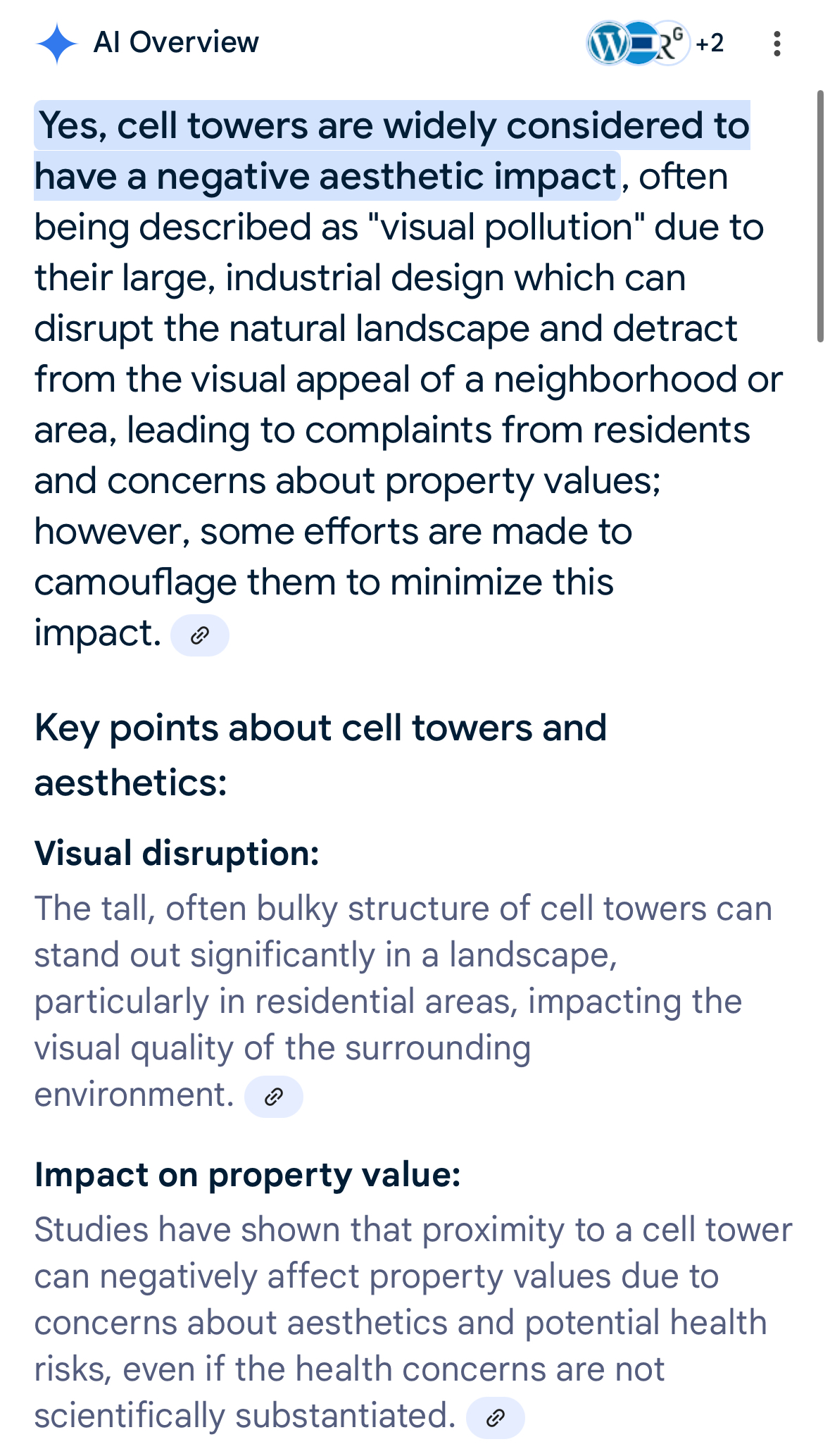
2. Aesthetic Impacts: The propose cell tower in Meridian Parks threatens the community's natural beauty, contradicting the City of Orlando Growth Management Plan. Clear visibility of the cell tower, disturbance to natural beauty, impacts to wildlife, and violation of intentional design principles jeopardize the neighborhood's identity, diminishes aesthetics, and negatively impacts the enjoyment of current residents. Review of a like-kind tower in a commercial area of the West Orlando Area highlights the proposed tower’s incompatibility at the proposed site.
3. Community Impacts: The proposed cell tower site, designated as open space and park in the community master plan and community concept documents, threatens the community by depriving residents of vital recreational areas, potentially leading to a decline in recreational opportunities and affecting physical and mental health. Further, cell towers require 24/7 access and maintenance capability, a clear nuisance to residents. Considering all the noted variables, the proposed location is not the best use of the land.
4. Lack of Need: Insufficient evidence has been presented to residents to establish a compelling need for a cell tower at the proposed site or within the neighboring community. There is a lack of substantiated data indicating a significant gap in service. Furthermore, the applicant’s necessity study and both the FCC and Verizon coverage maps verify coverage exists for the local community and residents residing farthest from existing towers report no reception or device issues and express opposition to the proposed location. Additionally, the suggested site fails to mitigate long-term impacts on the community and its current and prospective residents.
5. Alternate Site Availability: Legal precedence indicates that "a cellular provider bears a heavy burden to prove that a significant gap in service exists and to make a showing of the infeasibility of alternatives." Further, "[a carrier cannot] insist on one, ideal way to provide service; the [Telecommunications Act of 1996] required it to consider alternatives more palatable to local zoning authorities." Considerable vacant land, including the county landfill, the county pump operations site, and nearby utility sites, will provide a less impactful location, likely aligning with wireless network capacity and distancing desires while addressing most land use concerns, impacts to residents, and tax revenue losses.
6. City Ordinances: The proposed cell tower's location requires conversion of residential land and will remain well within 450 feet of residential space. This likely violates Orlando Code of Ordinances and City of Orlando Growth Management Plan's future land use policies, raising concerns about documented priorities, fit/character, resident enjoyment, and potential health and safety risks. Stakeholders must assess and address these issues for adherence to documented development priorities, policies and ordinances, and a fair balance between resident impacts and desires for cellular coverage.
7. Safety Risks: Cell phone towers present safety risks to communities, primarily due to the potential for fires and structural failures. Electrical malfunctions within the towers, such as wiring and batteries overheating, can lead to fires that spread quickly and endanger nearby structures and people. Additionally, factors like extreme weather and seismic activity can cause tower collapses, posing immediate danger and causing property damage.
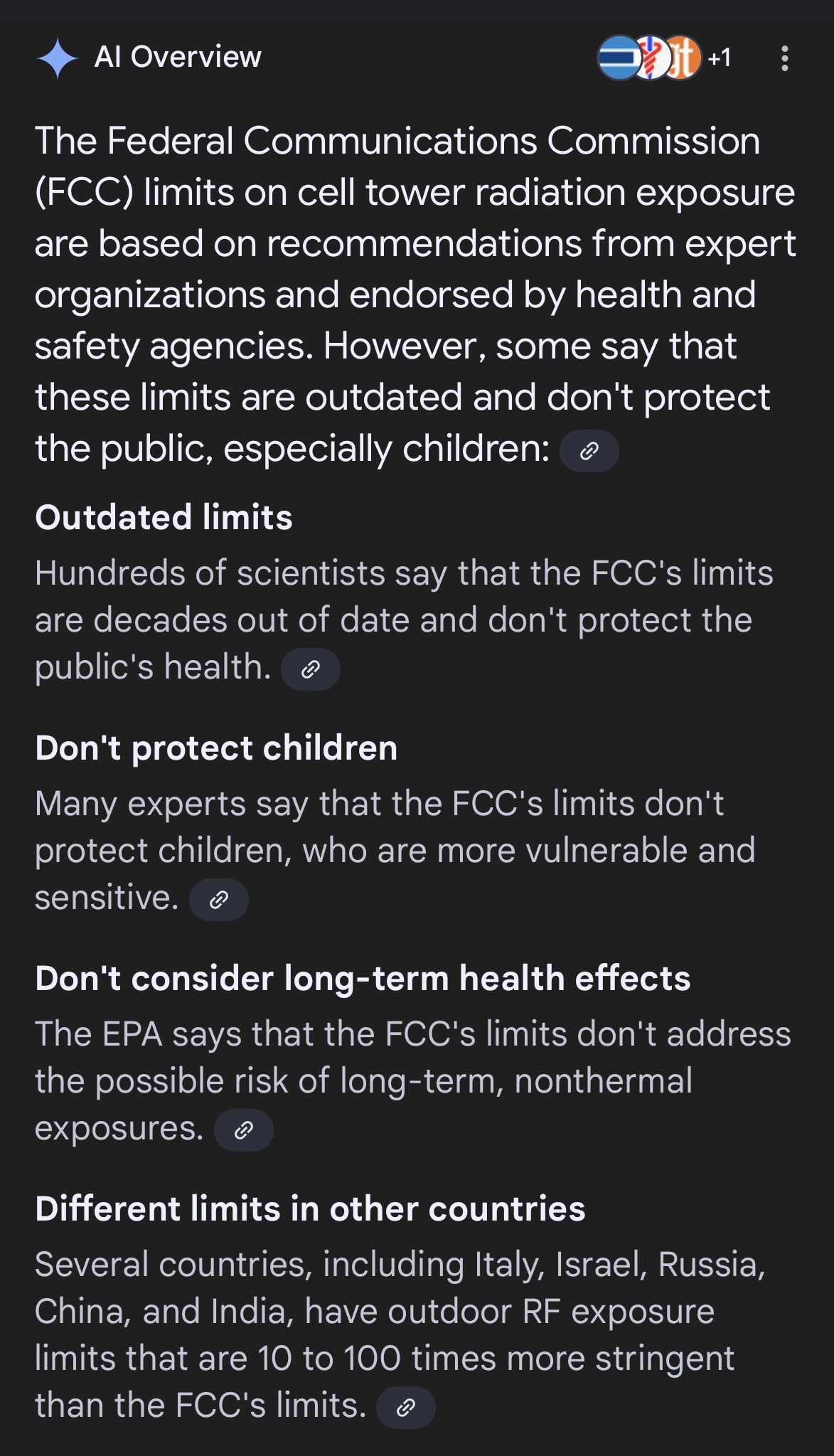
8. Health Impacts: Widespread concerns about the adverse health effects of cell towers underscore the importance of thorough assessment and legislative response. Multiple data sources, including the WHO's classification of radiofrequency electromagnetic fields as possibly carcinogenic, indicate potential risks associated with cell tower emissions. Additionally, notable cases of health issues near cell towers, including those hypothesized as non-emission related (i.e. psychological), and the FCC's inability to respond to a 2021 court order regarding health effects further highlight the need for comprehensive evaluation and action by lawmakers.
9. Nature and Pet Impacts: Studies indicate that electromagnetic radiation from cell towers may harm plants, leading to growth abnormalities and leaf and canopy problems. For example, pets and wildlife are affected, with evidence linking EMF exposure to increased risks like lymphoma in dogs and fertility issues in various species. Additionally, honeybees, crucial for pollination, may suffer communication disruptions.

361
The Issue
Please sign and share! We need your support for the 01/21/25 city planning board.
Petition to Oppose the Installation of a Cell Phone Tower in Meridian Parks, a Community in the Starwood Planned Development.
We, the undersigned, hereby submit this petition to the Orlando City Council to strongly oppose the installation of a cell phone tower at coordinates N28.444932, W81.210124. This proposed tower site, located less than 800 feet from Innovation High School and a few hundred feet from future trails, walkways, and homes raises significant concerns for our community.
Summary of Concerns:
On December 14, 2023, the local community was made aware of the proposal to install a cell phone tower in Meridian Parks. The site for this tower is designated as residential land, planned to be park and open space in our community master plan. Furthermore, the tower will be situated just over a mile from two existing towers.
Reasons for Opposition:
1. Property Value and Tax Collection Impacts
2. Aesthetic Impacts
3. Community Impacts
4. Lack of Need
5. Alternate Site Availability
6. City Governance
7. Safety Risks
8. Health Impacts
9. Nature and Pet Impacts
We Urge the City Council to:
1. Reject the proposed installation of the cell phone tower in our neighborhood.
2. Conduct a thorough evaluation of the potential impacts on our community.
3. Explore alternative sites such as the landfill, pump station, utility, and planned commercial sites, which are more strategic to the network, lay less than a mile from the proposed site, and would minimize adverse effects on residents and the community.
We thank the City Council for considering our concerns and urge them to prioritize the well-being and safety of residents.
Details (http://preserveorlando.com/)
1. Property and Tax Collection Impacts: Classified as hazards by HUD, cell towers diminish the desirability and value of nearby properties due to concerns associated with aesthetics, safety, health, nature, and pets. Studies demonstrate a documented decline in property values, potentially exceeding 20%, with adverse effects ranging from 2% to 35%. This loss not only affects individual properties but also reduces tax revenues across the community indefinitely. Additionally, homes near cell towers experience marketability and sale impacts.
2. Aesthetic Impacts: The propose cell tower in Meridian Parks threatens the community's natural beauty, contradicting the City of Orlando Growth Management Plan. Clear visibility of the cell tower, disturbance to natural beauty, impacts to wildlife, and violation of intentional design principles jeopardize the neighborhood's identity, diminishes aesthetics, and negatively impacts the enjoyment of current residents. Review of a like-kind tower in a commercial area of the West Orlando Area highlights the proposed tower’s incompatibility at the proposed site.
3. Community Impacts: The proposed cell tower site, designated as open space and park in the community master plan and community concept documents, threatens the community by depriving residents of vital recreational areas, potentially leading to a decline in recreational opportunities and affecting physical and mental health. Further, cell towers require 24/7 access and maintenance capability, a clear nuisance to residents. Considering all the noted variables, the proposed location is not the best use of the land.
4. Lack of Need: Insufficient evidence has been presented to residents to establish a compelling need for a cell tower at the proposed site or within the neighboring community. There is a lack of substantiated data indicating a significant gap in service. Furthermore, the applicant’s necessity study and both the FCC and Verizon coverage maps verify coverage exists for the local community and residents residing farthest from existing towers report no reception or device issues and express opposition to the proposed location. Additionally, the suggested site fails to mitigate long-term impacts on the community and its current and prospective residents.
5. Alternate Site Availability: Legal precedence indicates that "a cellular provider bears a heavy burden to prove that a significant gap in service exists and to make a showing of the infeasibility of alternatives." Further, "[a carrier cannot] insist on one, ideal way to provide service; the [Telecommunications Act of 1996] required it to consider alternatives more palatable to local zoning authorities." Considerable vacant land, including the county landfill, the county pump operations site, and nearby utility sites, will provide a less impactful location, likely aligning with wireless network capacity and distancing desires while addressing most land use concerns, impacts to residents, and tax revenue losses.
6. City Ordinances: The proposed cell tower's location requires conversion of residential land and will remain well within 450 feet of residential space. This likely violates Orlando Code of Ordinances and City of Orlando Growth Management Plan's future land use policies, raising concerns about documented priorities, fit/character, resident enjoyment, and potential health and safety risks. Stakeholders must assess and address these issues for adherence to documented development priorities, policies and ordinances, and a fair balance between resident impacts and desires for cellular coverage.
7. Safety Risks: Cell phone towers present safety risks to communities, primarily due to the potential for fires and structural failures. Electrical malfunctions within the towers, such as wiring and batteries overheating, can lead to fires that spread quickly and endanger nearby structures and people. Additionally, factors like extreme weather and seismic activity can cause tower collapses, posing immediate danger and causing property damage.
8. Health Impacts: Widespread concerns about the adverse health effects of cell towers underscore the importance of thorough assessment and legislative response. Multiple data sources, including the WHO's classification of radiofrequency electromagnetic fields as possibly carcinogenic, indicate potential risks associated with cell tower emissions. Additionally, notable cases of health issues near cell towers, including those hypothesized as non-emission related (i.e. psychological), and the FCC's inability to respond to a 2021 court order regarding health effects further highlight the need for comprehensive evaluation and action by lawmakers.
9. Nature and Pet Impacts: Studies indicate that electromagnetic radiation from cell towers may harm plants, leading to growth abnormalities and leaf and canopy problems. For example, pets and wildlife are affected, with evidence linking EMF exposure to increased risks like lymphoma in dogs and fertility issues in various species. Additionally, honeybees, crucial for pollination, may suffer communication disruptions.
The Decision Makers
Supporter Voices
Petition Updates
Share this petition
Petition created on January 9, 2024