

Overpriced flats pose threat to Ouseburn wildlife & future of Byker’s creative community
The Issue
To the community…
Many Newcastle residents have seen Ouseburn's transformation from an industrial relic into a vibrant hub for creativity, heritage, and community - this unique character is often at risk and under ongoing development threats… Gentrification, modernisation, and a neglect for the local community / institutions that have made it the creative hub that it is today!
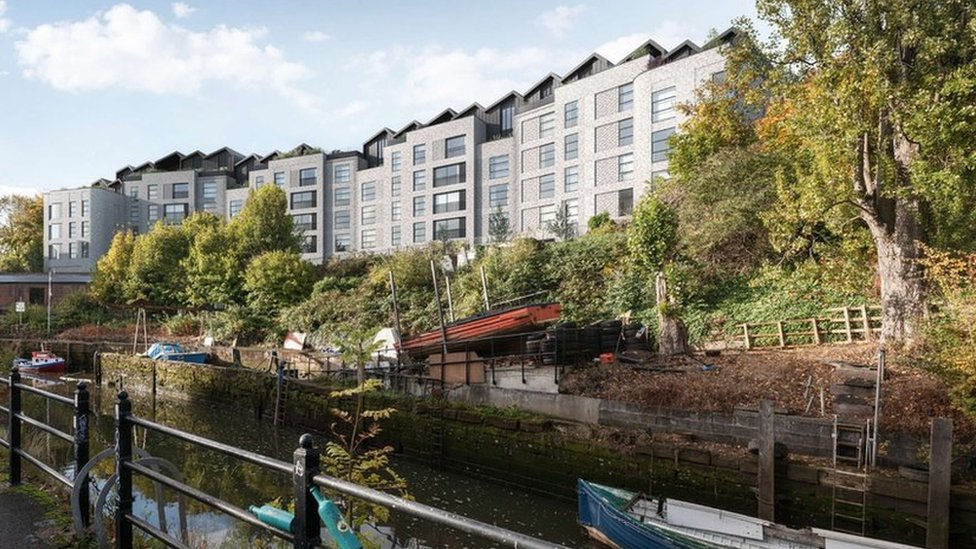
The Newcastle City Council recently approved a 57-apartment development on Lime Street, despite a history of community objections to ongoing gentrification and compromises the very essence of the Ouseburn Valley.
Firstly, the concept of zero affordable housing in this development is alarming. At a time when affordable housing is scarce, prioritising luxury developments or student accommodation showcases a disregard for the local community's pressing needs. This decision widens the socioeconomic divide, with Byker being underfunded and new developments pushing locals further away from the city centre. Strong communities require diverse housing options, not exclusive price tags.
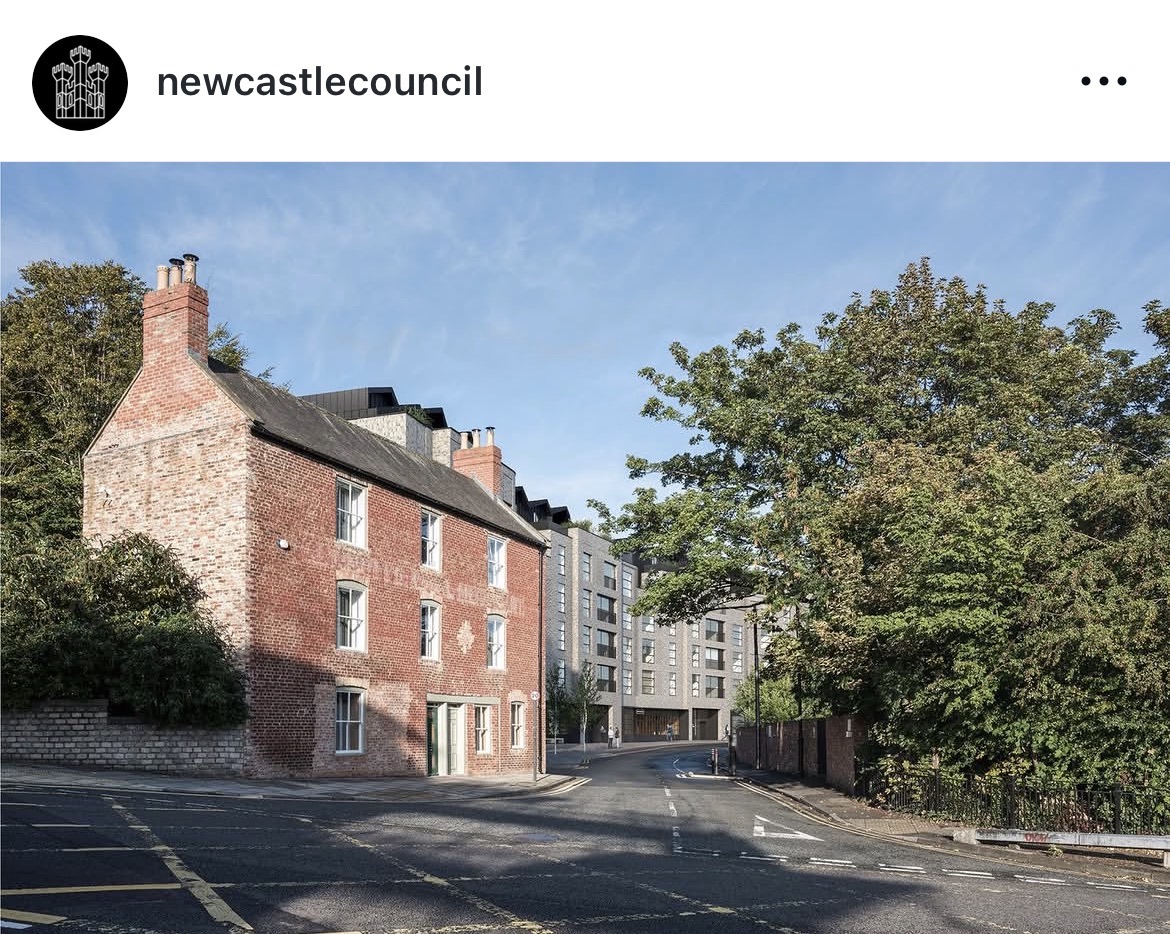
Ouseburn is not just a neighbourhood: it is a living archive. Its historic industrial buildings, thriving creative industries, independent businesses, and unmistakable landscape tell a tale of resilience and innovation (despite the council’s social media describing the area as “grubby”). Erecting a modern, crescent-shaped block of overpriced flats would erode this narrative, replacing culture with copy and paste new builds - something Newcastle is already fighting on a wider scale, due to student housing and premium living demands.
Then, there is the environmental cost - the planned removal of around 40 mature trees. Each tree lost is a vital piece of our natural heritage, home to local wildlife and a crucial part of our urban ecosystem. With canals and a city farm / education centre just a stones throw away, the irreplaceable damage is hard to comprehend and it’s impact will be long lasting to the communities green spaces. Beyond the practical implications, there is an undeniable emotional impact; these trees have witnessed the valley's evolution and transformation, and their destruction is a loss to everyone who cherishes Ouseburn.
Lastly, this development poses a risk to event spaces and potential licensing for live music in the area: the catalyst for what makes Ouseburn’s heart beat - spaces where creativity and community spirit are celebrated and nurtured. These event spaces are more than mere venues; they are cultural cornerstones that invigorate the valley's dynamic life.
We urge the Newcastle City Council to reconsider their approval of this development and potential future projects in the valley. Let's preserve the character, affordability, and natural beauty of the Ouseburn. It is not just about protecting a place, but defending a community’s past, present, and future.
Sign this petition to stop the reckless development threatening Ouseburn -Newcastle’s beloved creative quarter. Let your voice be heard to safeguard this unique and precious community asset.
#KeepOuseburnGrubby
What happens next?
For Lime St developments: Objections and comments can be submitted online via Newcastle City Council’s planning portal at www.newcastle.gov.uk/viewplanning, or by post to Development Management at the Civic Centre, Barras Bridge, Newcastle upon Tyne, NE1 8QH. These submissions form part of the official planning process and will be taken into account when decisions are made.
Quote 2025/1251/01/DET - Anonymous comments will not be taken into account so please state name address and postcode
We need 1,500 + signatures from local Newcastle residents and those working in the Ouseburn community…
Petition to Newcastle City Council Regarding the Lime Street Development, Ouseburn & Future Potential Projects
We, the undersigned, call on Newcastle City Council to review and reconsider the approval of the proposed 57-apartment development at 7–45 Lime Street, Ouseburn.
We ask the Council to take action to protect Ouseburn’s cultural, environmental and community assets by:
- Reviewing the decision to permit the development without any affordable housing provision.
- Ensuring the long-term protection of existing and new music venues, creative spaces and licensed premises from future noise and licensing pressures arising from residential development.
- Exploring options to reduce the loss of mature trees and strengthen environmental mitigation measures.
- Assessing the cumulative impact of further residential development on the character and sustainability of the Ouseburn Valley Conservation Area.
We believe future development in Ouseburn should support housing needs while safeguarding the area’s unique cultural identity, creative economy, natural environment and existing community.
We recognise that development is a necessary part of a growing city, and we are not opposed to change in principle. However, we are calling for stronger safeguards to ensure that future development in Ouseburn is managed in a way that protects the long-term cultural, social, and environmental character of the area. This should include stricter requirements around affordable housing provision, clearer protections for existing music venues and creative spaces under the Agent of Change principle, the aesthetics / visual impact of new projects to compliment the surrounding area, and more robust consideration of cumulative impact rather than assessing applications in isolation. We also request that greater weight is given to green infrastructure, including the retention of mature trees and meaningful biodiversity replacement strategies. Taken together, these measures would help ensure that Ouseburn evolves sustainably, without losing the qualities that make it a distinctive and culturally significant part of Newcastle.
History of Ouseburn Valley development and why this pattern keeps repeating itself…
There have been several high-profile planning disputes in Ouseburn over the past decade. While each scheme has been different, many have centred on recurring concerns: protecting heritage, safeguarding the area’s independent music scene, preserving iconic views, and ensuring regeneration doesn’t come at the expense of the community that made Ouseburn successful.
To understand why the latest proposals have sparked such a strong reaction, it’s worth looking back. Ouseburn has been here before. Over the past decade, a series of controversial changes have challenged the future of the valley, raising questions not just about architecture and housing, but about identity, culture and whether regeneration can coexist with the community that shaped the area.
These concerns are not emerging in isolation. For many people invested in Byker’s future, they form part of a much longer story; one where it repeatedly tests the balance between regeneration and preservation. While each project has differed in scale and ambition, many have reignited the same questions: how much change is too much, and what makes Ouseburn worth protecting in the first place?
History of the Lime Street Development, Ouseburn
The proposed development at 7–45 Lime Street, Ouseburn, is a six-storey mixed-use scheme comprising 57 apartments and ground-floor commercial space.
In November 2023, Newcastle City Council’s Planning Committee refused the original application despite a recommendation for approval from planning officers. Councillors raised concerns about the scale and crescent-shaped design of the building, its impact on the character and appearance of the Ouseburn Valley Conservation Area, and the quality of accommodation proposed within the development.
The developer appealed the decision. In March 2025, a Planning Inspector dismissed the appeal after finding that several apartments would receive inadequate levels of natural daylight, resulting in unsatisfactory living conditions for future residents. While the Inspector did not uphold the council’s heritage objections, the appeal was refused on residential amenity grounds.
A revised application was subsequently submitted, redesigning several apartments to improve daylight levels while largely retaining the overall scale and appearance of the scheme. In June 2026, Newcastle City Council unanimously approved the revised plans. The approved development includes 57 apartments and commercial units but contains no affordable housing after the developer successfully argued that affordable provision would make the project financially unviable.
More about the area and why we think it’s special…
Industrial heritage and sense of place
Ouseburn’s character is deeply rooted in its industrial past as part of Newcastle’s river valley infrastructure, once integral to coal transport, milling, and manufacturing. Rather than being fully cleared and rebuilt, much of this fabric remains visible today: brick warehouses, viaducts, old bridges, and repurposed factory buildings. This layering of old and new gives the area a distinct identity that feels materially connected to the city’s history, rather than detached from it.
Independent music and creative culture
The area has become one of Newcastle’s most important cultural clusters, shaped by independent venues, rehearsal spaces, and artist studios. Music venues such as Cobalt, The Cluny, Cumberland Arms, and Little Buildings, plus grassroots spaces across the valley - Tyne Bar, Flora Rose, and new residents like Ouseburn Event Space to name a few - support emerging artists and touring acts alike, feeding into a wider North East music ecosystem. The key distinction is that this scene has developed organically within converted industrial buildings, creating a culture that is embedded rather than externally imposed.
Beyond performance and art spaces, Ouseburn supports a wider network of small creative businesses: design studios, printmakers, makers, and independent operators. This creates a mixed-use environment where culture is not just consumed but produced. The area functions as a working creative district, where artistic activity sits alongside everyday employment and enterprise.
Urban wildlife and river ecology
The River Ouseburn forms a green corridor running through the city, supporting a surprising range of wildlife for such an urban setting. Species such as kingfishers, herons, and otters are associated with the waterway, alongside improved habitats created through local conservation work. Rewilding and river restoration projects have strengthened the ecological value of the valley, making nature a visible part of daily life rather than something distant from the city centre. From nesting swans outside the Cluny, to lamb feeding and goat walks at Ouseburn farm, it truly is something special!
Identity, continuity and local value
Institutions such as Ouseburn Farm and Seven Stories play a significant role in grounding the area in community use. The farm provides education, volunteering opportunities, and therapeutic access to green space, while Seven Stories contributes a nationally recognised cultural resource focused on children’s literature. These spaces ensure the area retains a public, community-facing function alongside its cultural and commercial activity.
What distinguishes Ouseburn is the way these elements coexist within a small geographical area. Industrial heritage, ecological recovery, and grassroots culture overlap rather than compete. For many residents and visitors, this creates a sense of continuity and authenticity that is increasingly rare in urban redevelopment contexts, and it is this balance that underpins strong local attachment to the area.
Read more about Ouseburn via https://ouseburntrust.org.uk

1,305
The Issue
To the community…
Many Newcastle residents have seen Ouseburn's transformation from an industrial relic into a vibrant hub for creativity, heritage, and community - this unique character is often at risk and under ongoing development threats… Gentrification, modernisation, and a neglect for the local community / institutions that have made it the creative hub that it is today!
The Newcastle City Council recently approved a 57-apartment development on Lime Street, despite a history of community objections to ongoing gentrification and compromises the very essence of the Ouseburn Valley.
Firstly, the concept of zero affordable housing in this development is alarming. At a time when affordable housing is scarce, prioritising luxury developments or student accommodation showcases a disregard for the local community's pressing needs. This decision widens the socioeconomic divide, with Byker being underfunded and new developments pushing locals further away from the city centre. Strong communities require diverse housing options, not exclusive price tags.
Ouseburn is not just a neighbourhood: it is a living archive. Its historic industrial buildings, thriving creative industries, independent businesses, and unmistakable landscape tell a tale of resilience and innovation (despite the council’s social media describing the area as “grubby”). Erecting a modern, crescent-shaped block of overpriced flats would erode this narrative, replacing culture with copy and paste new builds - something Newcastle is already fighting on a wider scale, due to student housing and premium living demands.
Then, there is the environmental cost - the planned removal of around 40 mature trees. Each tree lost is a vital piece of our natural heritage, home to local wildlife and a crucial part of our urban ecosystem. With canals and a city farm / education centre just a stones throw away, the irreplaceable damage is hard to comprehend and it’s impact will be long lasting to the communities green spaces. Beyond the practical implications, there is an undeniable emotional impact; these trees have witnessed the valley's evolution and transformation, and their destruction is a loss to everyone who cherishes Ouseburn.
Lastly, this development poses a risk to event spaces and potential licensing for live music in the area: the catalyst for what makes Ouseburn’s heart beat - spaces where creativity and community spirit are celebrated and nurtured. These event spaces are more than mere venues; they are cultural cornerstones that invigorate the valley's dynamic life.
We urge the Newcastle City Council to reconsider their approval of this development and potential future projects in the valley. Let's preserve the character, affordability, and natural beauty of the Ouseburn. It is not just about protecting a place, but defending a community’s past, present, and future.
Sign this petition to stop the reckless development threatening Ouseburn -Newcastle’s beloved creative quarter. Let your voice be heard to safeguard this unique and precious community asset.
#KeepOuseburnGrubby
What happens next?
For Lime St developments: Objections and comments can be submitted online via Newcastle City Council’s planning portal at www.newcastle.gov.uk/viewplanning, or by post to Development Management at the Civic Centre, Barras Bridge, Newcastle upon Tyne, NE1 8QH. These submissions form part of the official planning process and will be taken into account when decisions are made.
Quote 2025/1251/01/DET - Anonymous comments will not be taken into account so please state name address and postcode
We need 1,500 + signatures from local Newcastle residents and those working in the Ouseburn community…
Petition to Newcastle City Council Regarding the Lime Street Development, Ouseburn & Future Potential Projects
We, the undersigned, call on Newcastle City Council to review and reconsider the approval of the proposed 57-apartment development at 7–45 Lime Street, Ouseburn.
We ask the Council to take action to protect Ouseburn’s cultural, environmental and community assets by:
- Reviewing the decision to permit the development without any affordable housing provision.
- Ensuring the long-term protection of existing and new music venues, creative spaces and licensed premises from future noise and licensing pressures arising from residential development.
- Exploring options to reduce the loss of mature trees and strengthen environmental mitigation measures.
- Assessing the cumulative impact of further residential development on the character and sustainability of the Ouseburn Valley Conservation Area.
We believe future development in Ouseburn should support housing needs while safeguarding the area’s unique cultural identity, creative economy, natural environment and existing community.
We recognise that development is a necessary part of a growing city, and we are not opposed to change in principle. However, we are calling for stronger safeguards to ensure that future development in Ouseburn is managed in a way that protects the long-term cultural, social, and environmental character of the area. This should include stricter requirements around affordable housing provision, clearer protections for existing music venues and creative spaces under the Agent of Change principle, the aesthetics / visual impact of new projects to compliment the surrounding area, and more robust consideration of cumulative impact rather than assessing applications in isolation. We also request that greater weight is given to green infrastructure, including the retention of mature trees and meaningful biodiversity replacement strategies. Taken together, these measures would help ensure that Ouseburn evolves sustainably, without losing the qualities that make it a distinctive and culturally significant part of Newcastle.
History of Ouseburn Valley development and why this pattern keeps repeating itself…
There have been several high-profile planning disputes in Ouseburn over the past decade. While each scheme has been different, many have centred on recurring concerns: protecting heritage, safeguarding the area’s independent music scene, preserving iconic views, and ensuring regeneration doesn’t come at the expense of the community that made Ouseburn successful.
To understand why the latest proposals have sparked such a strong reaction, it’s worth looking back. Ouseburn has been here before. Over the past decade, a series of controversial changes have challenged the future of the valley, raising questions not just about architecture and housing, but about identity, culture and whether regeneration can coexist with the community that shaped the area.
These concerns are not emerging in isolation. For many people invested in Byker’s future, they form part of a much longer story; one where it repeatedly tests the balance between regeneration and preservation. While each project has differed in scale and ambition, many have reignited the same questions: how much change is too much, and what makes Ouseburn worth protecting in the first place?
History of the Lime Street Development, Ouseburn
The proposed development at 7–45 Lime Street, Ouseburn, is a six-storey mixed-use scheme comprising 57 apartments and ground-floor commercial space.
In November 2023, Newcastle City Council’s Planning Committee refused the original application despite a recommendation for approval from planning officers. Councillors raised concerns about the scale and crescent-shaped design of the building, its impact on the character and appearance of the Ouseburn Valley Conservation Area, and the quality of accommodation proposed within the development.
The developer appealed the decision. In March 2025, a Planning Inspector dismissed the appeal after finding that several apartments would receive inadequate levels of natural daylight, resulting in unsatisfactory living conditions for future residents. While the Inspector did not uphold the council’s heritage objections, the appeal was refused on residential amenity grounds.
A revised application was subsequently submitted, redesigning several apartments to improve daylight levels while largely retaining the overall scale and appearance of the scheme. In June 2026, Newcastle City Council unanimously approved the revised plans. The approved development includes 57 apartments and commercial units but contains no affordable housing after the developer successfully argued that affordable provision would make the project financially unviable.
More about the area and why we think it’s special…
Industrial heritage and sense of place
Ouseburn’s character is deeply rooted in its industrial past as part of Newcastle’s river valley infrastructure, once integral to coal transport, milling, and manufacturing. Rather than being fully cleared and rebuilt, much of this fabric remains visible today: brick warehouses, viaducts, old bridges, and repurposed factory buildings. This layering of old and new gives the area a distinct identity that feels materially connected to the city’s history, rather than detached from it.
Independent music and creative culture
The area has become one of Newcastle’s most important cultural clusters, shaped by independent venues, rehearsal spaces, and artist studios. Music venues such as Cobalt, The Cluny, Cumberland Arms, and Little Buildings, plus grassroots spaces across the valley - Tyne Bar, Flora Rose, and new residents like Ouseburn Event Space to name a few - support emerging artists and touring acts alike, feeding into a wider North East music ecosystem. The key distinction is that this scene has developed organically within converted industrial buildings, creating a culture that is embedded rather than externally imposed.
Beyond performance and art spaces, Ouseburn supports a wider network of small creative businesses: design studios, printmakers, makers, and independent operators. This creates a mixed-use environment where culture is not just consumed but produced. The area functions as a working creative district, where artistic activity sits alongside everyday employment and enterprise.
Urban wildlife and river ecology
The River Ouseburn forms a green corridor running through the city, supporting a surprising range of wildlife for such an urban setting. Species such as kingfishers, herons, and otters are associated with the waterway, alongside improved habitats created through local conservation work. Rewilding and river restoration projects have strengthened the ecological value of the valley, making nature a visible part of daily life rather than something distant from the city centre. From nesting swans outside the Cluny, to lamb feeding and goat walks at Ouseburn farm, it truly is something special!
Identity, continuity and local value
Institutions such as Ouseburn Farm and Seven Stories play a significant role in grounding the area in community use. The farm provides education, volunteering opportunities, and therapeutic access to green space, while Seven Stories contributes a nationally recognised cultural resource focused on children’s literature. These spaces ensure the area retains a public, community-facing function alongside its cultural and commercial activity.
What distinguishes Ouseburn is the way these elements coexist within a small geographical area. Industrial heritage, ecological recovery, and grassroots culture overlap rather than compete. For many residents and visitors, this creates a sense of continuity and authenticity that is increasingly rare in urban redevelopment contexts, and it is this balance that underpins strong local attachment to the area.
Read more about Ouseburn via https://ouseburntrust.org.uk
The Decision Makers

Supporter Voices
Petition Updates
Share this petition
Petition created on 25 June 2026