

Oppose CTAD Use of AI over Student's Work
The Issue
In Gentle Verona and previous CTAD show The Book Of Everything used AI to create their posters. There are wider implications for this use, so let me outline the problem.
CTAD is an Art and Design school. There are around 200 undergrad and graduate students estimated to attend CCAS/CTAD as fine arts students, many who are trying to break into the sphere and having an opportunity to expand their portfolio using a real world experience would be invaluable.
However, CTAD using AI denies the students an opportunity and insults their abilities by implying "your work is not good enough for us to use".
This is not all -- this goes against GW's own policies. In the Generative AI Guidelines posted by GW, the use of AI is encouraged but limited to: brainstorming, summarizing, explaining ideas, generating outlines, suggesting changes, debugging code, formatting resources, and gathering sources. Any final works submitted cannot be purely AI or use majority AI. If AI is used or required for a project as strictly stated by the professor than the user must document the use and cite the AI.
If the school cannot uphold its own standards, who are they to police their students so harshly. In my opinion as an artist, I would not use AI, so their blatant disregard to their own policy is once again and insult.
Here I have linked two articles to further educate readers about the problems with AI art, but I will also summarize its main points. 1 2
- AI art has no human element to it, it breaks down pixel-by-pixel real and human artist's work and their approximates pixel-by-pixel an image within the style
- There are inherent biases. In a poster like In Gentle Verona where is image is of a young black woman, there are some biases within her features. Furthermore, I want to highlight that the poster is supposed to be of a student. There is little likeness other than the student and the poster's subject are both black and female. Nothing else is shared.
- It is lazy; nothing says 'looking for an easy way out' than the instant gratification of clicking a button and slapping a GW logo on it.
- AI art is not inevitable. AI will be a tool, and GW is preparing students by integrating AI into parts of its schooling process, BUT AI art will never be used 100%. Between pending and completed legal cases, and an overall distain towards the sterile looks of AI art, it cannot beat artists. As AI art models become more and more restricted as artists stop providing the material AI models need to learn and improve, as well as legal repercussions.
If CTAD is concerned about licensing issues and honors the license of the rights to the works they show, then they should be concerned about the art. In January 2025, Copyright and Artificial Intelligence published their opinion towards AI art and how the laws should be thus interpreted without change. Part of the consensus includes that without sizeable human modifications to the pieces, the human behind the prompt cannot be considered the author. This means that without authorship, there is no authority behind the usage and cannot be properly taken ownership of and thus given permission to use--especially for commercial use as CTAD is using it for.
Now, for the posters themselves.
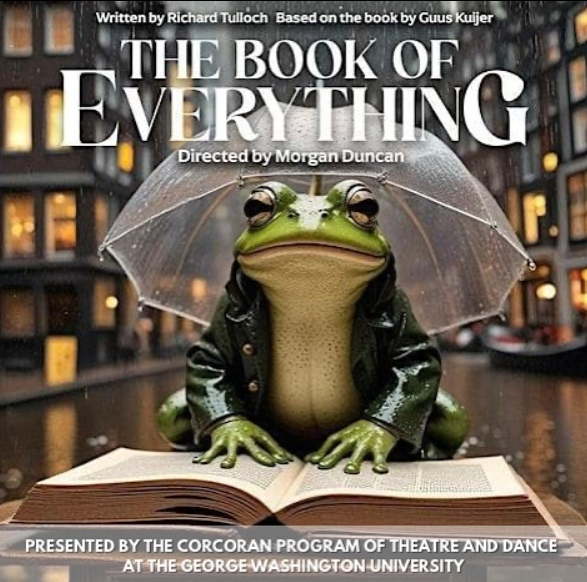
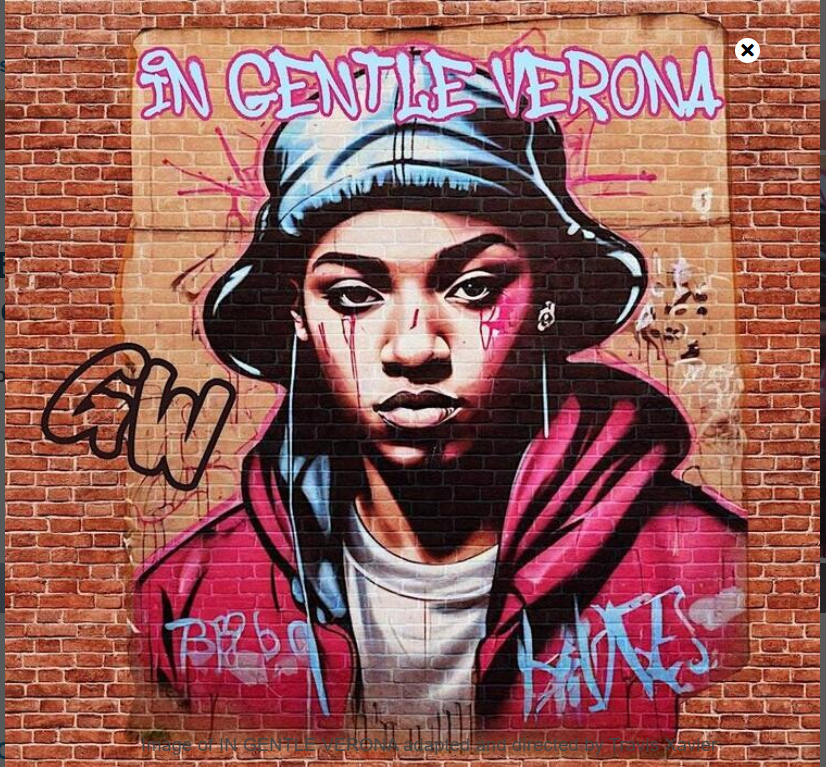
Post-generated text were added to both of these images, so while I am sure if the original textless image would yield clearer results, without using an AI detector tool I will state the reasons I strongly believe these images are AI.
I will refer to posters and their designs as IGV (In Gentle Verona) and Frog (The Book of Everything).
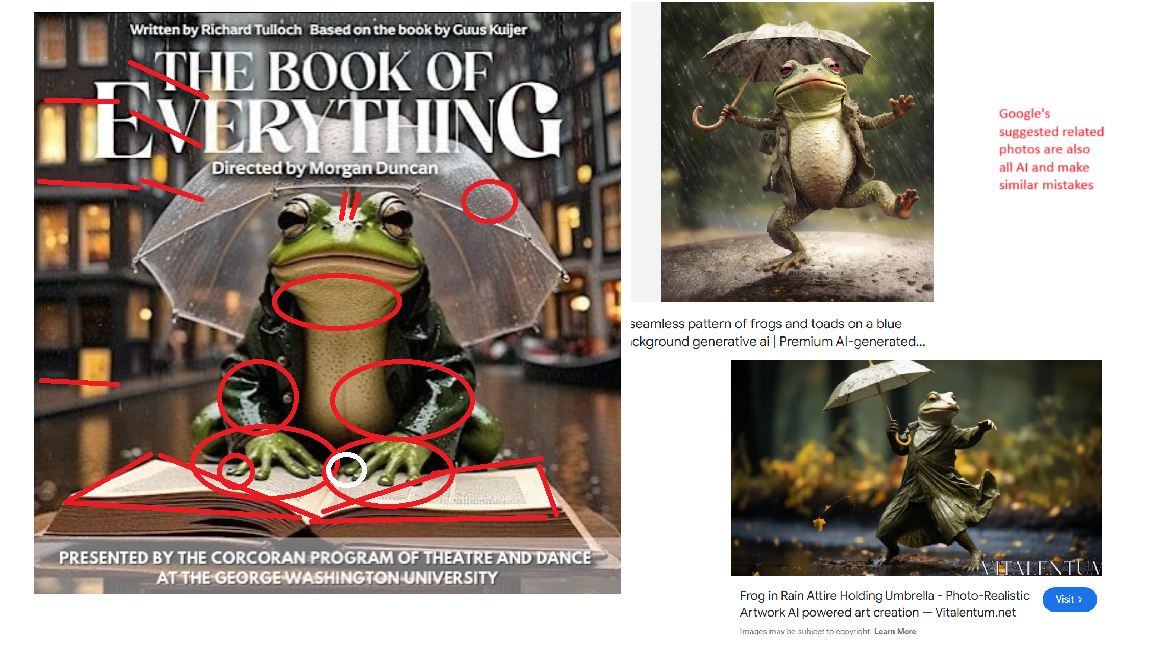
- Frog's simple tells on its surface come from the frog phalanges and the book. Frogs only have four fingers, an artist would use a reference and confirm this fact. The above poster has one hand with 6 fingers, and the other with 5. It also appears that the pads of the fingers are not connected to the hand in two instances.
- Texturing. Texturing and changing textures with clarity is the bane of AI. Within the Frog poster, the texture of the frog's skin, the wet drops of the umbrella, and the wet rain coat are identical, the lighting on these textures also make little sense.
- Logical Fallacies. Where is that umbrella going? My creative human mind conjures the idea that perhaps the frog is clenching the umbrella handle between its buttocks cheeks. But when considering the angle, this also looks unlikely. If I cannot explain it, I am sure the AI has no idea either, because it doesn't think through simple things like that.
- Patterns, or the lack thereof. Architecture is taught to artists through different types of perspectives: 1-point, 2-point, 3point etc. AI struggles with consistency of perspective, especially within architecture which requires patterns.
IGV
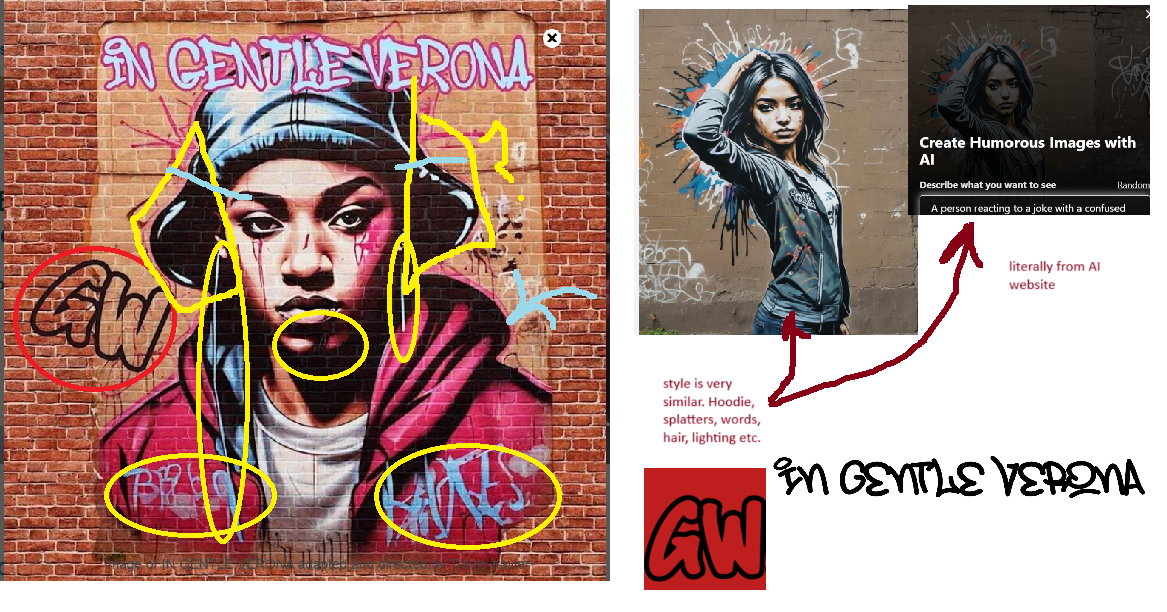
- Terrible composition. If this is human-made then perhaps take this as a learning critique. The composition is boring and illustrates nothing that would reflect the goal of the narrative behind the play. It is so painfully generic. AI can truly reach wonderful levels of soullessness.
- Texturing. In this photo there has been some extra doctoring, but the art itself is definitely AI. The editor simply lowered the opacity of the original image, maybe even a basic multiply layer, over a brick wall to give the impression wall graffiti. This is the only consistent texture. The paint splatters are inconsistent and the painting style is inconsistent.
- Logical Fallacies. What the heck is the black thing that surrounds her? Headphones? Not really. A hoodie? Well she is already wearing a beanie, and the hoodie's hood is clearly down. The texture also resembles that of plastic or a balloon, and the shape is unreadable.
- What is that random white line too? earrings?? hoodie string?? I don't know and neither does its AI.
- Words. Famously AI cannot word. The surrounding Graffiti is illegible, no words are discernable, but boy is it trying. The bottom left has a pseudo captcha code "B__b9" but that is the extent of recognizable iconography. The editor's fix was to use the font Ghoust Outline afterwards to make an attempt at adding legible background text.
- The second font is harder to detect BUT due to the consistency of the letterings of "N" and "E" throughout the words (they are identical) I can say with confidence this is a font.
Make this a conversation. Hold yourself to your own standards. CTAD should not do this again.

135
The Issue
In Gentle Verona and previous CTAD show The Book Of Everything used AI to create their posters. There are wider implications for this use, so let me outline the problem.
CTAD is an Art and Design school. There are around 200 undergrad and graduate students estimated to attend CCAS/CTAD as fine arts students, many who are trying to break into the sphere and having an opportunity to expand their portfolio using a real world experience would be invaluable.
However, CTAD using AI denies the students an opportunity and insults their abilities by implying "your work is not good enough for us to use".
This is not all -- this goes against GW's own policies. In the Generative AI Guidelines posted by GW, the use of AI is encouraged but limited to: brainstorming, summarizing, explaining ideas, generating outlines, suggesting changes, debugging code, formatting resources, and gathering sources. Any final works submitted cannot be purely AI or use majority AI. If AI is used or required for a project as strictly stated by the professor than the user must document the use and cite the AI.
If the school cannot uphold its own standards, who are they to police their students so harshly. In my opinion as an artist, I would not use AI, so their blatant disregard to their own policy is once again and insult.
Here I have linked two articles to further educate readers about the problems with AI art, but I will also summarize its main points. 1 2
- AI art has no human element to it, it breaks down pixel-by-pixel real and human artist's work and their approximates pixel-by-pixel an image within the style
- There are inherent biases. In a poster like In Gentle Verona where is image is of a young black woman, there are some biases within her features. Furthermore, I want to highlight that the poster is supposed to be of a student. There is little likeness other than the student and the poster's subject are both black and female. Nothing else is shared.
- It is lazy; nothing says 'looking for an easy way out' than the instant gratification of clicking a button and slapping a GW logo on it.
- AI art is not inevitable. AI will be a tool, and GW is preparing students by integrating AI into parts of its schooling process, BUT AI art will never be used 100%. Between pending and completed legal cases, and an overall distain towards the sterile looks of AI art, it cannot beat artists. As AI art models become more and more restricted as artists stop providing the material AI models need to learn and improve, as well as legal repercussions.
If CTAD is concerned about licensing issues and honors the license of the rights to the works they show, then they should be concerned about the art. In January 2025, Copyright and Artificial Intelligence published their opinion towards AI art and how the laws should be thus interpreted without change. Part of the consensus includes that without sizeable human modifications to the pieces, the human behind the prompt cannot be considered the author. This means that without authorship, there is no authority behind the usage and cannot be properly taken ownership of and thus given permission to use--especially for commercial use as CTAD is using it for.
Now, for the posters themselves.
Post-generated text were added to both of these images, so while I am sure if the original textless image would yield clearer results, without using an AI detector tool I will state the reasons I strongly believe these images are AI.
I will refer to posters and their designs as IGV (In Gentle Verona) and Frog (The Book of Everything).
- Frog's simple tells on its surface come from the frog phalanges and the book. Frogs only have four fingers, an artist would use a reference and confirm this fact. The above poster has one hand with 6 fingers, and the other with 5. It also appears that the pads of the fingers are not connected to the hand in two instances.
- Texturing. Texturing and changing textures with clarity is the bane of AI. Within the Frog poster, the texture of the frog's skin, the wet drops of the umbrella, and the wet rain coat are identical, the lighting on these textures also make little sense.
- Logical Fallacies. Where is that umbrella going? My creative human mind conjures the idea that perhaps the frog is clenching the umbrella handle between its buttocks cheeks. But when considering the angle, this also looks unlikely. If I cannot explain it, I am sure the AI has no idea either, because it doesn't think through simple things like that.
- Patterns, or the lack thereof. Architecture is taught to artists through different types of perspectives: 1-point, 2-point, 3point etc. AI struggles with consistency of perspective, especially within architecture which requires patterns.
IGV
- Terrible composition. If this is human-made then perhaps take this as a learning critique. The composition is boring and illustrates nothing that would reflect the goal of the narrative behind the play. It is so painfully generic. AI can truly reach wonderful levels of soullessness.
- Texturing. In this photo there has been some extra doctoring, but the art itself is definitely AI. The editor simply lowered the opacity of the original image, maybe even a basic multiply layer, over a brick wall to give the impression wall graffiti. This is the only consistent texture. The paint splatters are inconsistent and the painting style is inconsistent.
- Logical Fallacies. What the heck is the black thing that surrounds her? Headphones? Not really. A hoodie? Well she is already wearing a beanie, and the hoodie's hood is clearly down. The texture also resembles that of plastic or a balloon, and the shape is unreadable.
- What is that random white line too? earrings?? hoodie string?? I don't know and neither does its AI.
- Words. Famously AI cannot word. The surrounding Graffiti is illegible, no words are discernable, but boy is it trying. The bottom left has a pseudo captcha code "B__b9" but that is the extent of recognizable iconography. The editor's fix was to use the font Ghoust Outline afterwards to make an attempt at adding legible background text.
- The second font is harder to detect BUT due to the consistency of the letterings of "N" and "E" throughout the words (they are identical) I can say with confidence this is a font.
Make this a conversation. Hold yourself to your own standards. CTAD should not do this again.
The Decision Makers
Supporter Voices
Petition Updates
Share this petition
Petition created on February 20, 2025